
Latvian Defense Minister Downplays Russia's Kaliningrad Nuclear Warning
This digest was compiled by AI from multiple sources — links to the originals are below.
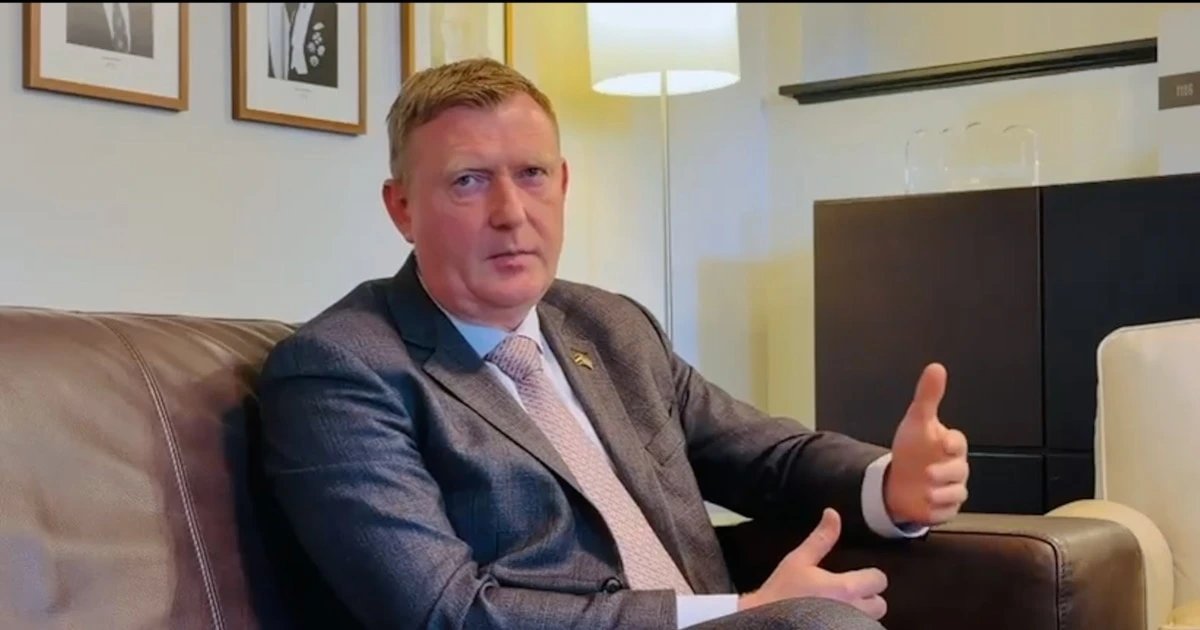
Latvian Defense Minister Raivis Melnis said on September 30 he sees no imminent threat after Russia warned NATO it could use nuclear weapons over Kaliningrad. NATO Secretary-General Mark Rutte also said he did not take the warning seriously. The comments came even as arms-control specialists urged Moscow to address concerns through diplomacy rather than nuclear threats.
Key Facts
- Latvian Defense Minister Raivis Melnis told RFE/RL on September 30 that he sees no imminent threat from Russia's nuclear warning over Kaliningrad.
- NATO Secretary-General Mark Rutte said he did not take the Russian warning 'that seriously' and called on Russia to stop nuclear threats.
- Russia warned NATO it was prepared to use its entire arsenal, including nuclear weapons, if the alliance attempted to cut off Kaliningrad.
- Daryl Kimball of the Arms Control Association said the Russian threat should be taken seriously and condemned as unacceptable.
- Lynn Rusten, a former White House National Security Council official, described Russia's nuclear rhetoric as 'unhinged and hyperbolic'.
The Russian Warning
Russia warned NATO this week that it was prepared to use its entire arsenal, including nuclear weapons, if the Western alliance attempted to cut off Kaliningrad. In a diplomatic memo circulated to NATO member states, Moscow said it had information that the alliance was preparing an 'air and naval blockade' of the territory. The warning prompted NATO Secretary-General Mark Rutte to call on Russia to 'stop the nuclear threats', saying NATO is a defensive alliance. Rutte added that Russian President Vladimir Putin knows that he cannot win in a direct confrontation with NATO.
Official Reactions
Latvian Defense Minister Raivis Melnis told RFE/RL in Washington on September 30 that he does not see an imminent threat at this point. Melnis said Russia had repeatedly resorted to nuclear threats since launching its full-scale invasion of Ukraine. He argued that Moscow uses such rhetoric to frighten Western populations, weaken support for Kyiv, and test the cohesion of the NATO alliance. NATO Secretary-General Mark Rutte echoed this view, saying he did not take the Russian warning 'that seriously'.
Arms-Control Concerns
Daryl Kimball, executive director of the Arms Control Association, told RFE/RL that the Russian threat should be taken seriously and condemned as unacceptable. Kimball said Moscow's language reflected what he described as a careless approach to the dangers of nuclear weapons use. He noted that NATO does not appear to be preparing military action to isolate Kaliningrad. Lynn Rusten, a senior fellow at the Center for European Policy Analysis, described Russia's nuclear rhetoric as 'unhinged and hyperbolic' from a Western perspective.
1 source
Time · lag behind first