
Weill Cornell researchers identify stem cells that may fuel spinal stenosis
This digest was compiled by AI from multiple sources — links to the originals are below.
Researchers at Weill Cornell Medicine and Hospital for Special Surgery identified a stem cell population that generates tendons and ligaments and may contribute to lumbar spinal stenosis. The condition affects an estimated 103 million people worldwide and can cause pain, numbness, and difficulty walking. The study, published Sept. 7 in Cell, suggests these cells could be targeted by existing blood pressure drugs.
Key Facts
- The study was published Sept. 7 in Cell.
- Lumbar spinal stenosis affects an estimated 103 million people worldwide.
- The identified stem cells can become overactive in the lower spine and may contribute to lumbar spinal stenosis.
- Potential treatments could involve drugs already used to control high blood pressure.
- Dr. Matthew Greenblatt and Dr. Sravisht Iyer are co-corresponding authors of the study.
Stem Cell Discovery
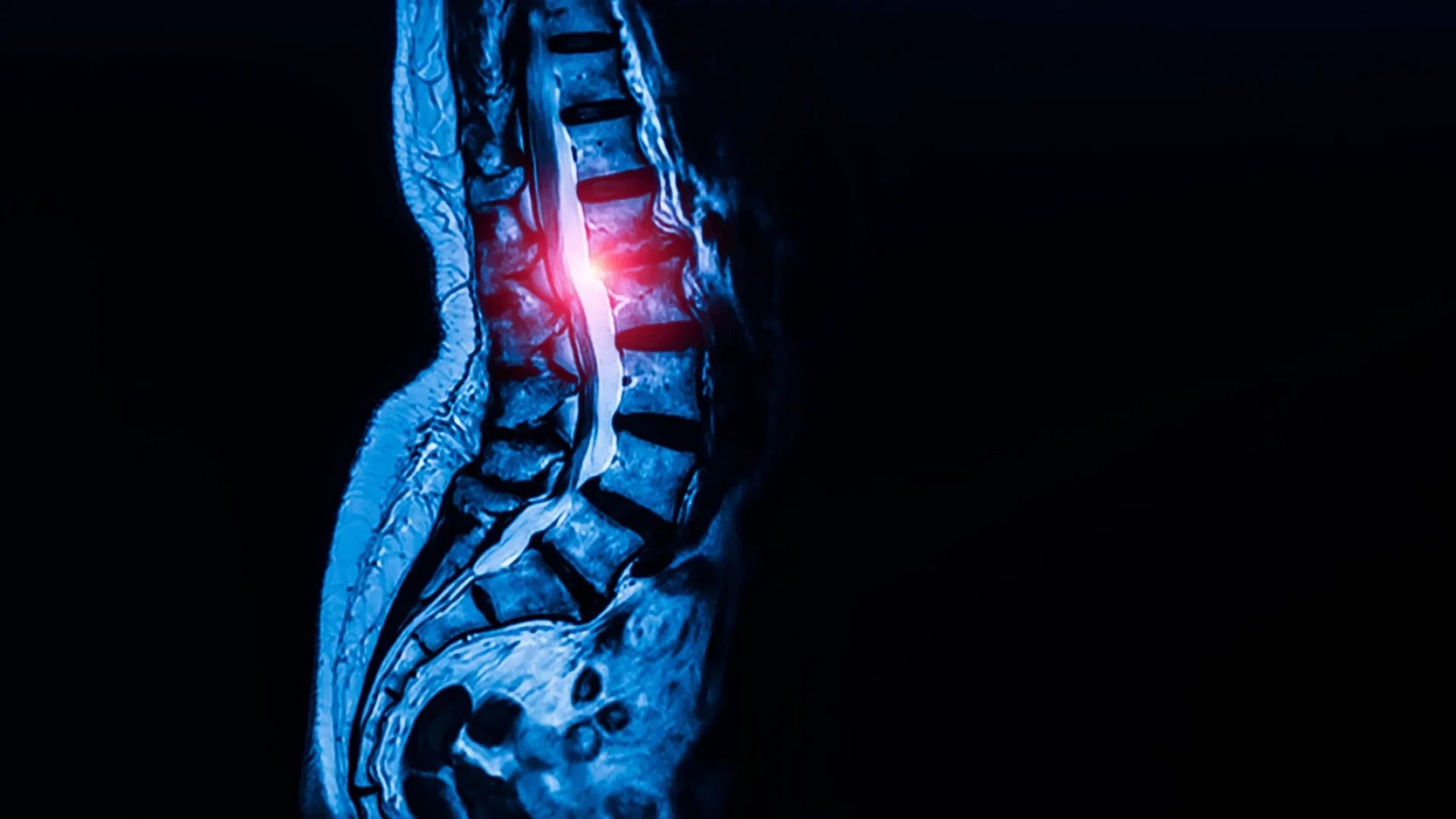
Researchers at Weill Cornell Medicine and Hospital for Special Surgery identified a previously elusive population of stem cells that appears to produce the body's tendons and ligaments. The scientists found evidence that these cells can become overactive in the lower spine, where they may contribute to lumbar spinal stenosis. The condition develops when thickened ligaments reduce space inside the spinal canal, leading to pressure on nerves and symptoms such as pain, numbness, and difficulty walking. Dr. Matthew Greenblatt, associate professor of pathology and laboratory medicine at Weill Cornell, is a co-corresponding author of the study. The team analyzed thousands of individual cells and sorted them into individual cell types to identify the population with stem cell properties.
Clinical Implications
The study raises the possibility that targeting these stem cells could eventually lead to new treatments for spinal stenosis. One potential approach may involve drugs already used to control high blood pressure. Dr. Sravisht Iyer, associate professor of orthopedics at Weill Cornell and spine surgeon at Hospital for Special Surgery, said the findings could change the way spinal care is delivered. Patients with severe lumbar spinal stenosis currently have few options other than surgery.
1 source
Time · lag behind first