
Trump-Xi summit yields AI dialogue, short trade truce extension
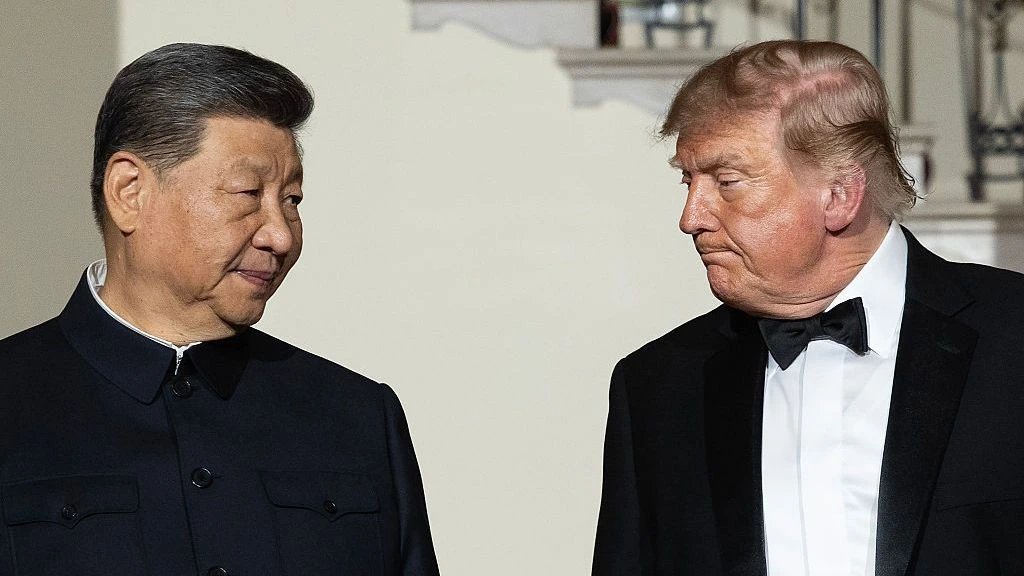
This digest was compiled by AI from multiple sources — links to the originals are below.
China confirmed on Monday that the Trump-Xi summit in Washington produced an agreement to launch an AI dialogue and a communication channel for AI-related incidents. The trade truce was extended until January 10, with lower tariffs on $30 billion of Chinese goods entering the US. No joint statement was issued, and both governments released separate accounts of the meeting.
Key Facts
- China and the US agreed to launch a new AI dialogue, with further talks scheduled for the end of November.
- The trade truce was extended until January 10, according to Chinese state media.
- China secured lower tariffs on $30 billion of goods entering the US, with reciprocal reductions expected from Beijing.
- The Trump administration said Beijing would buy at least 10 million metric tons of coal annually in 2027 and 2028.
- No joint statement was issued after the summit, and both governments released separate accounts of the meeting.
AI Dialogue and Communication Channel
Beijing says it has agreed with Washington to launch a new AI dialogue, with further talks scheduled for the end of November. Both countries also agreed to establish a communication channel for AI-related incidents, aimed at preventing misunderstandings or unexpected developments from turning into a broader confrontation. The meeting was closely watched for developments on AI, especially after calls by US companies like Anthropic to slow down developments and revelations that OpenAI had gained unauthorised access to government websites in countries like Australia.
Trade Truce Extension
Chinese state media confirmed for the first time on Monday that the trade truce has been extended until 10 January. The short extension ensures both leaders will meet again at major international gatherings later this year: Trump will attend the Asia Pacific Economic Cooperation summit in Shenzhen in November, while Xi is due to travel to Miami for the G20 summit in December. China did secure lower tariffs on $30 billion of goods entering the US, with reciprocal reductions expected from Beijing. Chinese products heading to American stores, ranging from toys to small household appliances to Christmas decorations, will benefit from the lower tariffs. The Trump administration also said Beijing would buy at least 10 million metric tons of coal annually in 2027 and 2028.
Omissions and Unresolved Issues
There was no mention of increasing exports of China's rare earth minerals to the US, nor any indication that restrictions on advanced US semiconductors would be eased. Beijing had hoped for a much longer extension to the truce, making the two-month reprieve a modest gain rather than a major breakthrough. Both governments issued separate accounts of the meeting, perhaps a sign that despite the White House tours and promise of warmer ties, Washington and Beijing remain wary of each other.
1 source
Time · lag behind first