
Kazakhstan's prisons hold 30,000 as digital upgrades and old facilities coexist
This digest was compiled by AI from multiple sources — links to the originals are below.
Kazakhstan's penitentiary system holds more than 30,000 inmates, including over 2,000 women and 150 minors, across 78–79 institutions. The system is installing video analytics cameras, digital complaint terminals, and telemedicine equipment, while some prisoners remain in overcrowded 18th-century buildings with limited medical care. Complaints totaled 9,777 from 2023 through the first half of 2026, with torture allegations making up 12 percent.
Key Facts
- Kazakhstan's penitentiary system holds more than 30,000 inmates, including over 2,000 women and more than 150 minors, across 78–79 institutions.
- The 2025 constitutional amnesty released 3,521 prisoners and reduced sentences for 11,870 others out of 15,391 eligible convicts.
- More than 40,000 cameras with video analytics and 650 digital complaint terminals have been installed, contributing to a 24 percent drop in offenses in 2026 (87 cases versus 115).
- From 2023 through the first half of 2026, prisoners filed 9,777 complaints; among 4,890 categorized appeals, 12 percent alleged torture, and 11 torture cases were registered.
- Prison mortality fell from 3.2 per 1,000 in 2023 to 2.9 per 1,000 in 2025, while transfers to civilian hospitals rose from 11,353 to 13,490 over the same period.
Digital Modernization
Kazakhstan's penitentiary system has installed more than 40,000 cameras with video analytics and 650 digital complaint terminals equipped with Face ID testing. Telemedicine equipment now operates in 17 institutions, and 62 outpatient clinics and 16 medical points serve the prison population. The digital upgrades contributed to a 24 percent reduction in offenses in 2026, with 87 recorded cases compared to 115 in the prior period. Video phones for family contact are available in only 10 institutions, with a plan to expand to 416 devices.
Infrastructure and Conditions
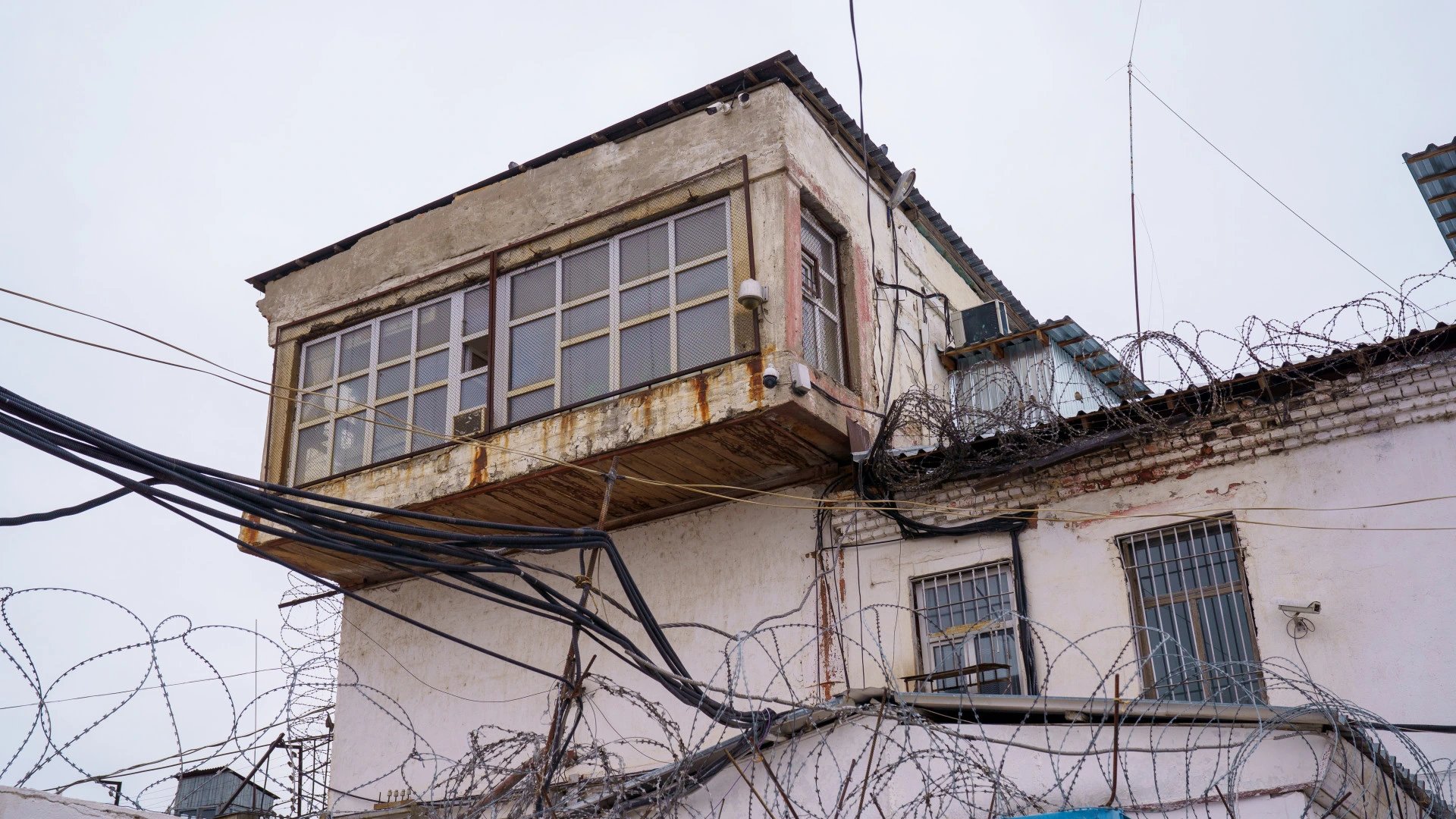
About 13 percent of prison facilities are classified as emergency structures, and roughly 20 percent do not meet standards, including buildings dating from the 18th century to the 1950s. Problems with water supply, sanitation, and overcrowding persist in older institutions. The children's home at Colony No. 10 in Zhaugashty houses 49 children under age 4; repairs and reorganization followed the discovery of sanitary problems in 2024, and a new complex for extended family visits was built in 2026. The Prosecutor General's Office announced construction of 8 housing blocks with 1,120 places, expansion of Institution No. 43 to 400 places, and a new juvenile colony for 150 places.
Complaints and Oversight
From 2023 through the first half of 2026, prisoners filed 9,777 complaints; among 4,890 categorized appeals, 18.6 percent concerned sentences, 17.7 percent medical care, 12.7 percent conditions, and 12 percent torture. Eleven torture cases were registered, resulting in 10 disciplinary penalties. The Ombudsman implemented 86.7 percent of recommendations (98 of 113), regional bodies 75 percent (588 of 785), and national preventive mechanisms 37 percent (911 of 2,486), with funding cited as the main barrier. Staff shortages in the penitentiary system and medical service, along with frequent leadership changes, hinder systemic reforms.
1 source
Time · lag behind first