
NOAA sees 69% chance 2026 El Niño becomes strongest since 1950
This digest was compiled by AI from multiple sources — links to the originals are below.
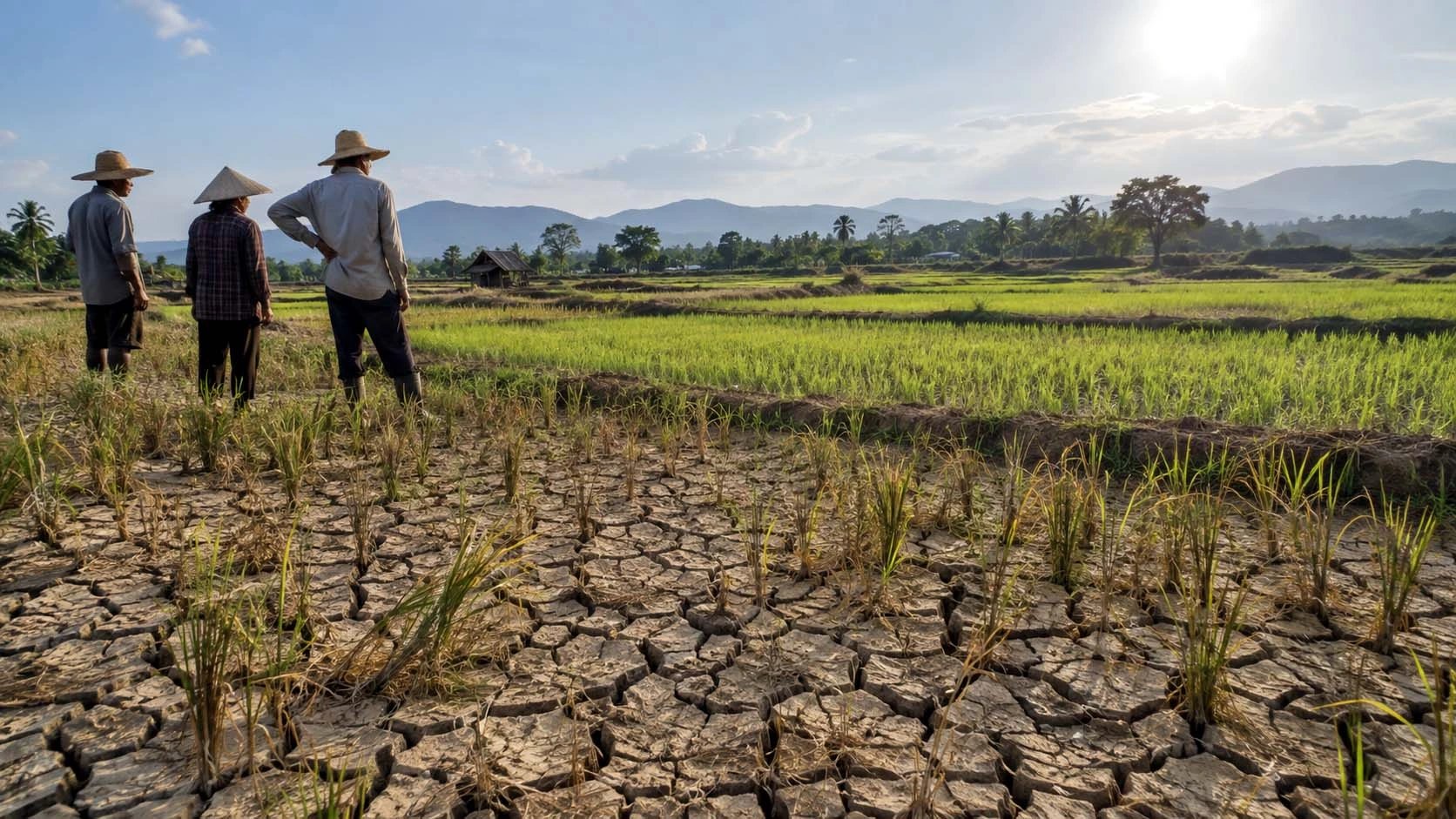
The developing 2026 El Niño has a 69% chance of becoming the strongest on record since 1950, according to the U.S. National Oceanic and Atmospheric Administration. The phenomenon is expected to peak in December and could trigger severe droughts in Asia and push global food prices up more than 15%, Goldman Sachs estimates.
Key Facts
- NOAA puts the probability that the current El Niño becomes the strongest since records began in 1950 at 69%.
- Goldman Sachs estimates that reduced agricultural output from El Niño could lift global food prices by more than 15%.
- The UN World Food Programme warns that at least 49 million more people could face acute food shortages by the end of 2027.
- Indonesia and Malaysia supply about 85% of global palm oil, while India, Vietnam and Thailand are among the largest rice exporters.
El Niño Forecast
The U.S. National Oceanic and Atmospheric Administration estimates a 69% probability that the current El Niño will become the strongest since observations began in 1950. The phenomenon is expected to peak in December 2026. El Niño is a natural warming of surface waters in the equatorial Pacific Ocean that affects weather patterns worldwide and can intensify droughts, floods and extreme heat.
Agricultural Impact
Drought could hit rice and palm oil production, with India, Vietnam and Thailand among the world's largest rice exporters. Indonesia and Malaysia account for about 85% of global palm oil supplies. Goldman Sachs estimates that reduced agricultural output from El Niño could push global food prices up more than 15%.
Food Security Warning
The UN World Food Programme warns that at least 49 million more people could face acute food shortages by the end of 2027. Southeast Asia is particularly vulnerable, with forest fires, falling reservoir levels and worsening fishing conditions already reported.
1 source
Time · lag behind first