
Satellite study maps 1.58 million sq km of oil slicks in world's oceans
This digest was compiled by AI from multiple sources — links to the originals are below.
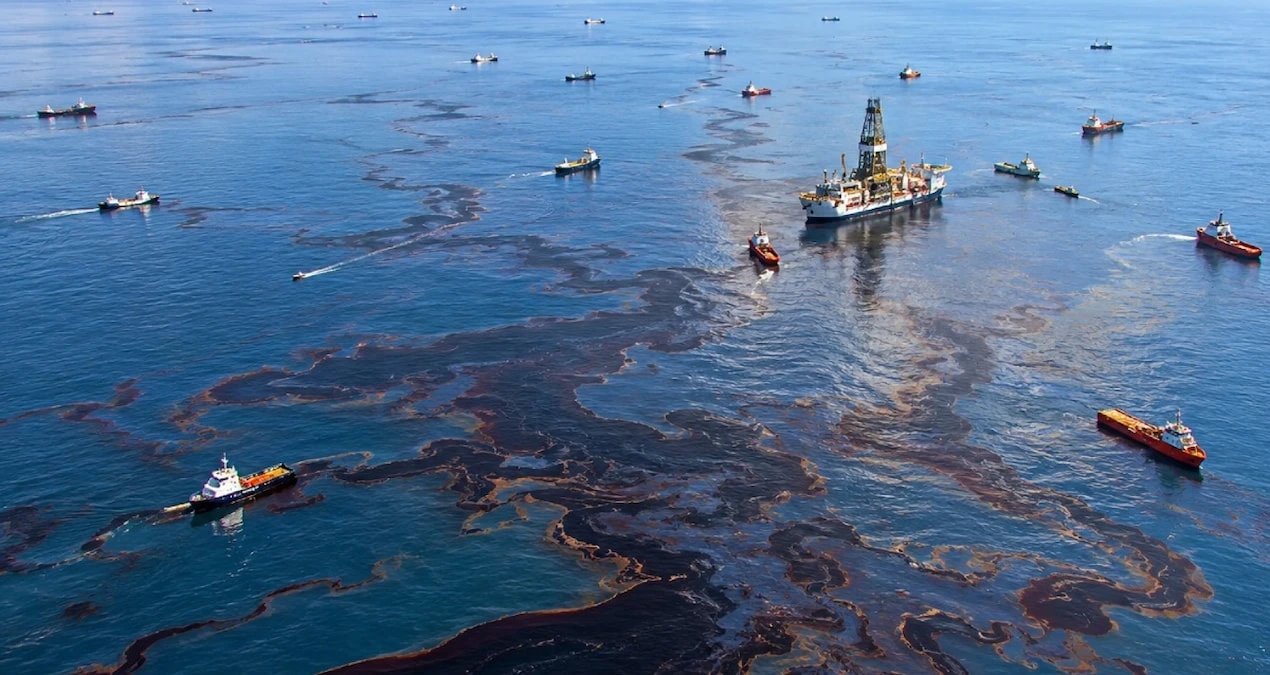
Satellite data from 2023–2026 reveal 1.58 million square kilometres of ocean covered by oil slicks, with over 90 percent of pollution concentrated in national waters near coasts. Ships account for about 81 percent of identifiable slicks, and 16 vessels were repeatedly linked to spills.
Key Facts
- The study found 1.58 million square kilometres of ocean covered by oil slicks between 2023 and 2026.
- More than 90 percent of the pollution was concentrated in national waters, especially near coasts.
- About 81 percent of identifiable annual oil slick area came from ships, particularly cargo vessels and tankers.
- Sixteen ships were linked to repeated oil spills, with slicks detected near or behind them in more than 10 percent of their satellite images.
- Oil slicks were also found in protected marine habitats, including Black Sea dolphin and whale areas and the Gulf of Mexico habitat of the critically endangered Rice's whale.
Satellite Detection Method
Researchers used radar images from the European Space Agency's Sentinel-1 satellites, which can capture data through clouds and at night. The radar system tracked oil layers on the sea surface step by step. Satellite images were combined with AIS vessel position data to identify probable pollution sources. The study noted that open ocean areas are imaged less frequently, so the true extent of pollution may be larger than 1.58 million square kilometres.
Pollution Hotspots and Repeat Offenders
Dense oil slicks were detected in the Red Sea, Persian Gulf, Mediterranean, Black Sea, West African coasts, and waters around Indonesia. Sixteen ships were linked to multiple spills on different dates. Recurring pollution was also found near oil facilities off Indonesia and Nigeria. Protected marine areas, including Black Sea cetacean habitats and the Gulf of Mexico range of the Rice's whale, showed oil traces.
1 source
Time · lag behind first