
Iran pivots trade to Caspian Sea as US blockade squeezes southern ports
This digest was compiled by AI from multiple sources — links to the originals are below.
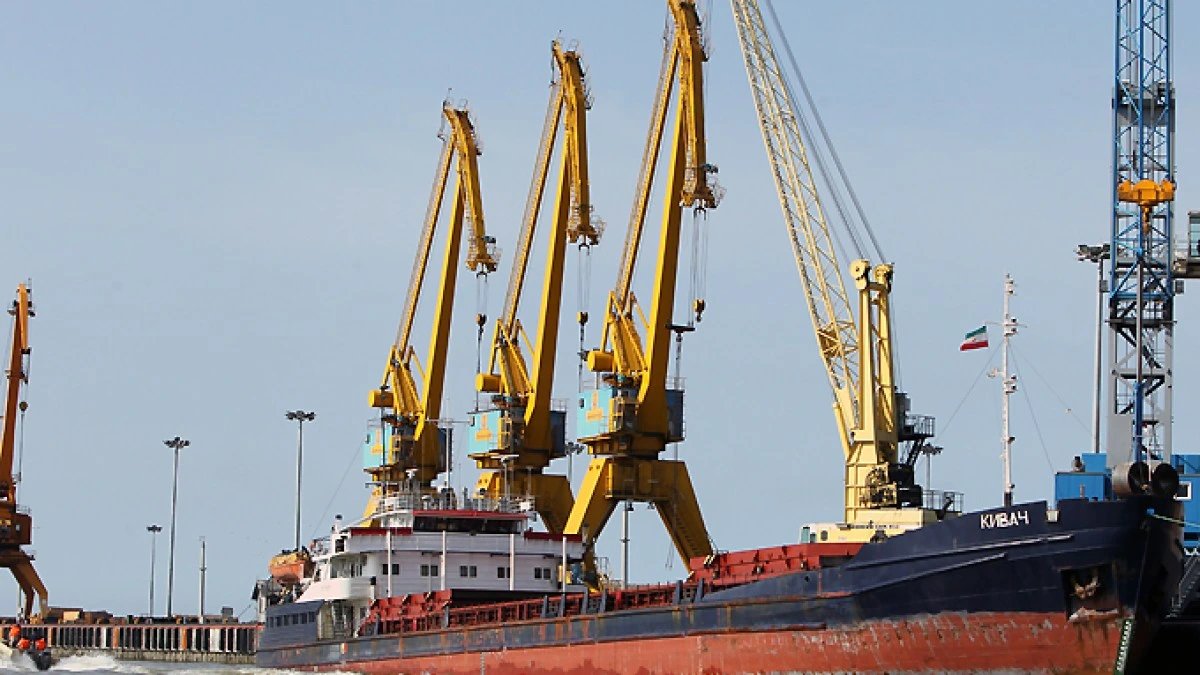
Iran is shifting oil exports and essential imports to its Caspian Sea ports as a US naval blockade and air strikes disrupt its southern maritime trade. The northern route faces severe logistical constraints, including falling water levels that have cut vessel capacity from 6,000 to 4,000 tonnes. Land border crossings are also congested, with up to 1,800 trucks queuing at the Norduz crossing with Armenia.
Key Facts
- Caspian Sea water levels have dropped by about 2 metres since the 1990s, according to UN Environment Programme Executive Director Inger Andersen.
- Iran's northern ports could once handle vessels up to 6,000 tonnes but can now accommodate only 4,000-tonne ships due to reduced water levels.
- At the Norduz border crossing with Armenia, as many as 1,800 trucks queue for several days to enter Iran.
- At other land terminals, wait times to enter Iran range from 10 to 15 days.
- Iranian ships entering the Caspian Sea via Russia's Volga River have become stuck due to low water levels, sometimes remaining stationary for days or weeks.
Caspian Sea Constraints
The Caspian Sea, shared by Iran, Russia, Azerbaijan, Kazakhstan and Turkmenistan, has seen water levels decline by about 2 metres since the 1990s, UN Environment Programme Executive Director Inger Andersen said in April. Sea levels are projected to recede by an additional 8 to 21 metres by the end of the century. Shahram Fadakar, director general of the Iranian Department of Environment's Office for Coastal and Marine Ecosystem Protection, told local media last week that water levels have been dropping by more than 20cm annually over the past two to three years. Masoud Polmeh, secretary-general of the Shipping Association of Iran, said this month that northern ports could once handle vessels weighing up to 6,000 tonnes but can now handle only 4,000-tonne vessels. Iranian ships entering the Caspian Sea via Russia's Volga River have become stuck due to low water levels, sometimes remaining stationary for days and weeks before crews are rescued.
Land Border Congestion
Vali Kaleji, an independent writer and researcher on Russia, Central Asia and the Caucasus, said changes in logistical operations have put huge strains on Iran's land borders. At the Norduz border crossing with Armenia, as many as 1,800 trucks queue for several days at a time to enter Iran. At other terminals, wait times range from 10 to 15 days to enter Iran. Kaleji said the congestion is not due solely to freight shifting to Iran's roads, citing limited terminal capacity, customs procedures, road infrastructure and ongoing construction projects.
1 source
Time · lag behind first