
Iran's land routes clog as U.S. naval blockade diverts trade
This digest was compiled by AI from multiple sources — links to the originals are below.
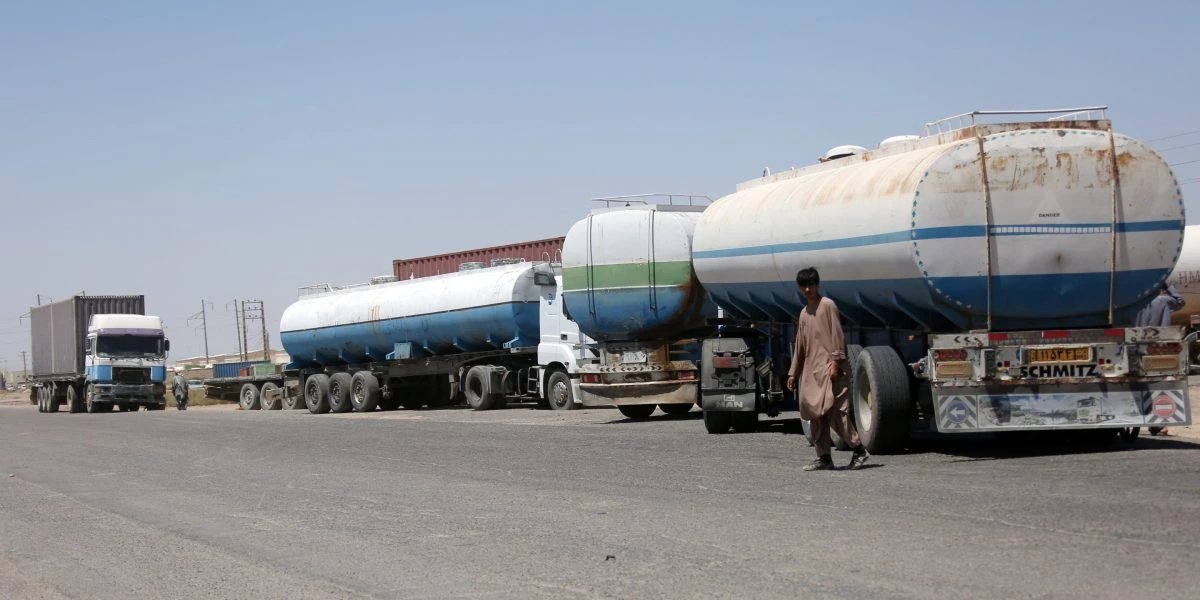
Iran's overland trade corridors are gridlocked as the U.S. naval blockade forces cargo onto routes through Turkey, Pakistan, Afghanistan, Iraq, and Turkmenistan. Bureaucratic delays and inadequate infrastructure have stranded thousands of trucks, with wait times exceeding three weeks at some crossings. The bottlenecks are compounding economic pressure, with inflation at 90% and non-oil exports down 28%.
Key Facts
- U.S. Central Command redirected 109 commercial vessels to enforce the naval blockade on Iran.
- At one border crossing with Turkey, 3,700 trucks were stranded on the Iranian side.
- Iran's non-oil exports fell 28% to $15 billion in the five months ending Aug. 22, while imports dropped 26% to $17 billion.
- Inflation in Iran has reached 90%, driven by trade disruptions and fuel shortages.
- A member of Iran's Chamber of Commerce said there is little alternative but to restore southern trade corridors through the Gulf.
Blockade and Trade Diversion
Before the war, more than 80% of Iran's trade tonnage transited by sea via southern ports, but the U.S. naval blockade has closed off that route. U.S. Central Command said Sunday it has redirected 109 commercial vessels to ensure compliance with the blockade. Convoys of trucks have flooded land routes along Iran's borders with Turkey, Pakistan, Afghanistan, Iraq, and Turkmenistan. Iran's trade with Turkey jumped 19% to $3.2 billion during the first half of the year.
Border Bottlenecks
Bureaucratic hurdles such as long customs checks and infrastructure not designed for high volume have produced massive traffic jams. At one crossing with Turkey, 3,700 trucks were stranded on the Iranian side. Drivers sometimes wait more than three weeks to bring cargoes across a border, and perishable foods go bad during the delays. A Turkish truck driver hauling used cars into Iran told the Financial Times that wait times on the return trip can reach 24 days. An Iranian trucker said he spent 23 days waiting at a crossing along the Afghanistan border in mid-June.
Economic Fallout
In the five months ending Aug. 22, Iranian customs show non-oil exports fell 28% from a year ago to $15 billion, and imports dropped 26% to $17 billion. The collapse in trade has hit fuel supplies, much of which must be imported as Iran lacks sufficient refining capacity. Gasoline shortages have forced Tehran to curb demand with price hikes. A member of Iran's Chamber of Commerce told the Financial Times that under these circumstances, there is little alternative but to find a way to restore and maintain the southern trade corridors through the Gulf. President Donald Trump is counting on economic warfare to bring an end to the conflict, and Supreme Leader Ayatollah Mojtaba Khamenei has expressed anxiety about the economy.
2 sources
Time · lag behind first