
Almaty CHP-2 to burn coal through 2030s despite gas conversion
This digest was compiled by AI from multiple sources — links to the originals are below.
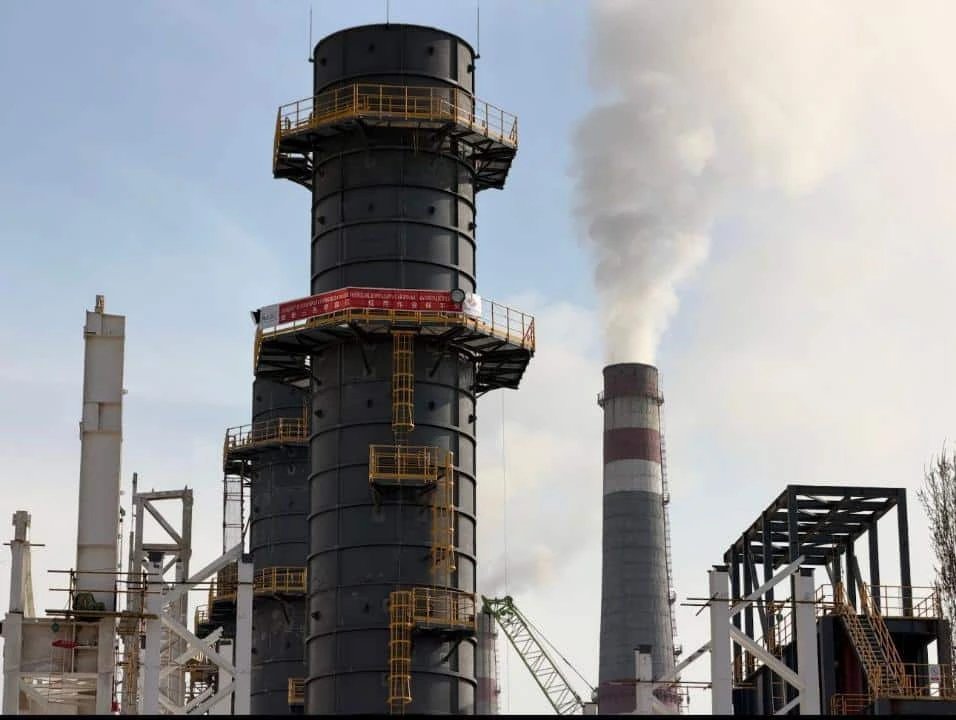
Almaty's CHP-2 will keep coal-fired boilers and turbines operating into the 2030s, according to an environmental impact assessment by Kazakhstan's ecology ministry. The plant will retain four coal boilers and three turbines during heating seasons from 2030 onward to prevent supply disruptions. The decision comes as the station undergoes a gas conversion scheduled for 2027-2029.
Key Facts
- Almaty CHP-2 will keep four coal-fired boilers and three steam turbines in operation during heating seasons from 2030 through the 2030s.
- During the 2027-2029 gas commissioning period, the plant will retain four coal boilers and three turbines for autumn-winter and three boilers and two turbines for summer.
- The coal equipment will remain as backup to avoid disruptions in heat and electricity supply due to possible natural gas supply failures.
- The Beineu-Bozoi-Shymkent gas pipeline, which supplies southern, northern and central Kazakhstan, has operated at full capacity during autumn-winter periods for several years.
Coal Equipment Retention
The environmental impact assessment by the Committee for Environmental Regulation and Control of the Ministry of Ecology and Natural Resources confirms that coal-fired boilers and turbines at Almaty CHP-2 will remain operational into the 2030s. According to documentation from Almaty Electric Stations, the plant owner and a subsidiary of Samruk-Energy, four steam boilers (units No. 2, 4, 6 BKZ 420-140-7s and unit No. 8 E-420-13.8-560) and three steam turbines (units No. 2, 3 PT-80/100-130/13 and unit No. 6 T-110/120-130-5) will be kept for autumn-winter operation from 2030. In summer, three coal boilers and two turbines will remain in service. The exact end date for coal operation is not specified, indicating the equipment may run at least until 2039.
Gas Supply Constraints
The Beineu-Bozoi-Shymkent main gas pipeline has been operating at its maximum throughput capacity during autumn-winter periods for several consecutive years. This has led to reduced or zero gas exports from Kazakhstan to China during those months. Akims and QazaqGaz continue to connect new consumers, including large industrial enterprises, which will increase gas consumption. Potential imports of Russian gas at higher prices raise questions about future heat and electricity costs from CHP-2 and CHP-3.
1 source
Time · lag behind first