
US Supreme Court lifts restrictions on SAVE voter database
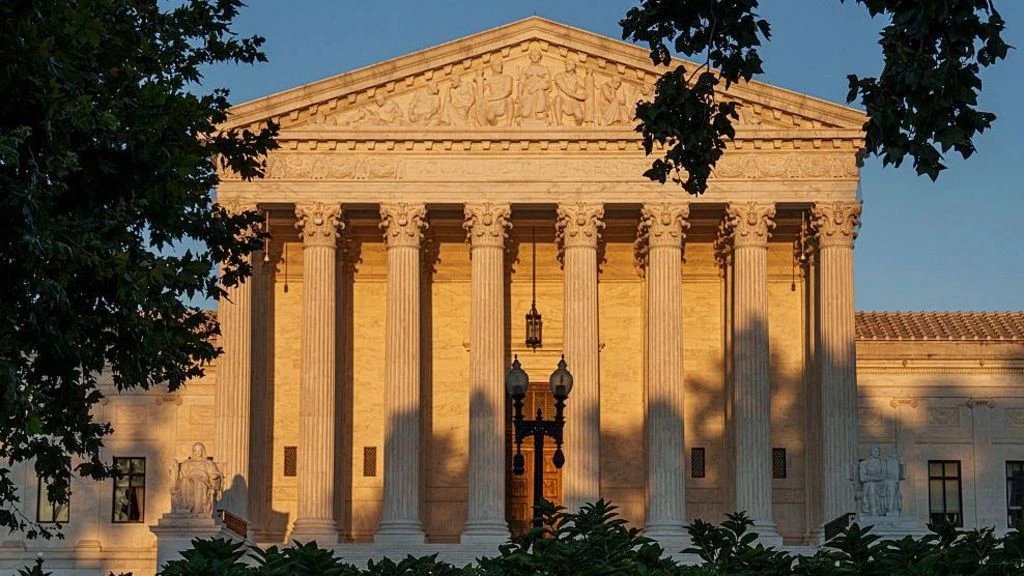
This digest was compiled by AI from multiple sources — links to the originals are below.
The US Supreme Court lifted restrictions on the Trump administration's use of the SAVE database for citizenship checks of voters. The ruling reverses a federal judge's June decision that the system violated privacy rights. The six conservative justices supported the decision, while the three liberal justices dissented.
Key Facts
- The Supreme Court lifted restrictions on the SAVE database, allowing the Trump administration to use it for citizenship checks of voters.
- In June, US District Judge Sparkle L. Sooknanan ruled the system illegal and a violation of Americans' privacy rights.
- The SAVE database was created in 1986 to verify citizenship or immigration status for public benefits applicants.
- The Trump administration expanded SAVE's search capabilities last year to allow bulk searches using Social Security numbers.
- The Supreme Court's six conservative justices supported the decision, while the three liberal justices dissented.
The Ruling
The Supreme Court lifted restrictions on the Trump administration's use of the SAVE database for citizenship checks of voters. The ruling reverses a June decision by US District Judge Sparkle L. Sooknanan, who found the system illegal and a violation of privacy rights. The six conservative justices supported the decision, while the three liberal justices dissented.
SAVE Database Background
The SAVE database was created in 1986 to help officials verify citizenship or immigration status for public benefits applicants. The Trump administration expanded its search capabilities last year to allow bulk searches using Social Security numbers. Critics warn the ruling could lead to valid voters being removed from electoral rolls.
4 sources
Time · lag behind first