
US judge blocks Trump's new birthright citizenship order
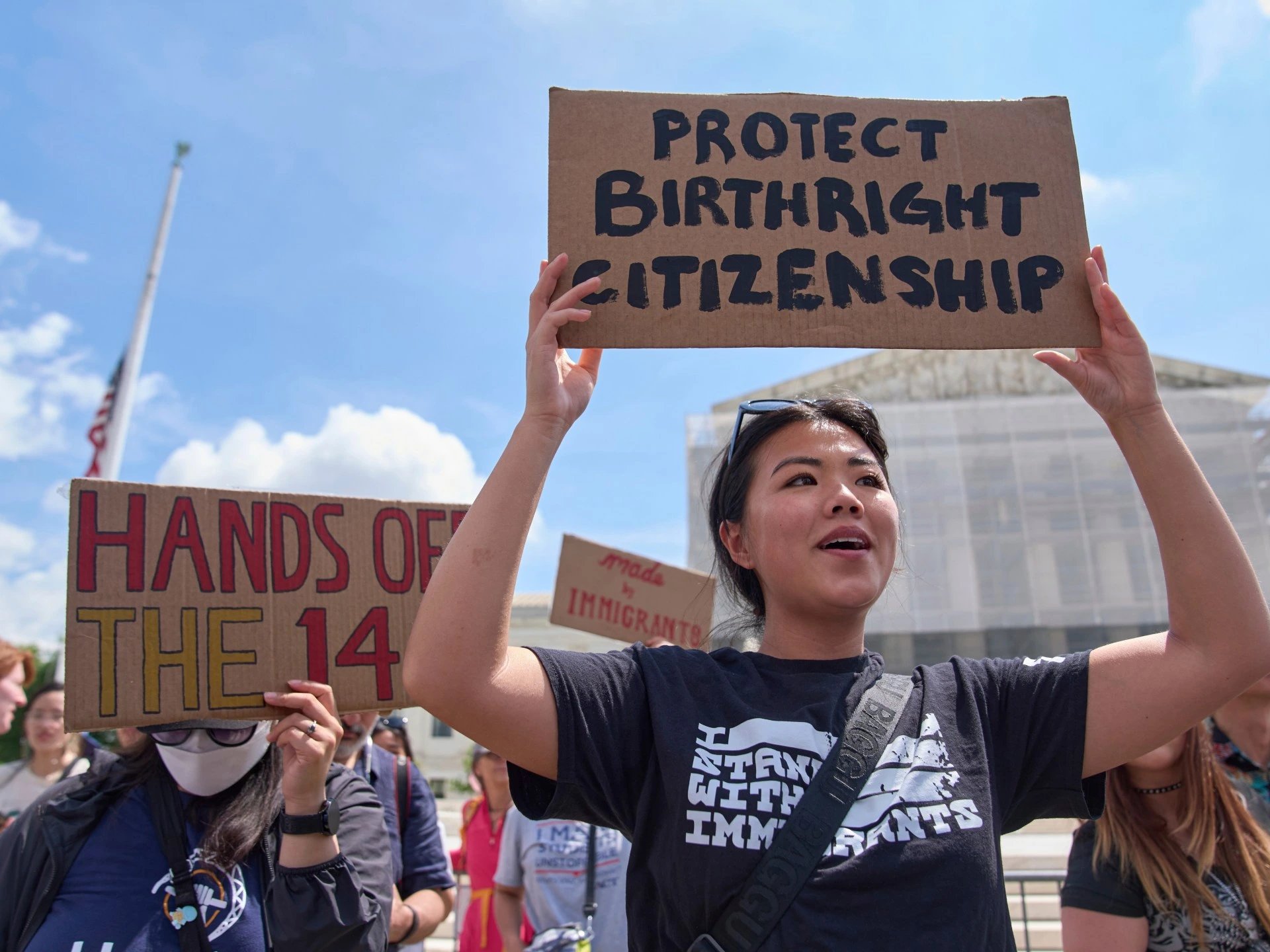
This digest was compiled by AI from multiple sources — links to the originals are below.
A federal judge in Maryland blocked President Donald Trump's latest executive order limiting birthright citizenship on Wednesday. Judge Deborah Boardman issued a preliminary injunction, citing the Supreme Court's June ruling that such restrictions are unconstitutional. The order targeted children of foreign nationals, including those accused of 'birth tourism'.
Key Facts
- Judge Deborah Boardman issued a preliminary injunction on Wednesday against Trump's August 6 executive order.
- The Supreme Court ruled 6-3 in June in Barbara v Trump that birthright citizenship is protected by the Fourteenth Amendment.
- The new order sought to deny citizenship to children of foreign nationals accused of 'birth tourism' or classified as 'alien enemy'.
- The injunction applies to all children who would have been denied citizenship under the first executive order.
- Attorney General Todd Blanche said on Fox News the administration would return to the Supreme Court if necessary.
The Injunction
District Judge Deborah Boardman issued a preliminary injunction on Wednesday against Trump's new executive order, which was issued on August 6. Boardman wrote that the order 'is almost certainly unconstitutional as applied to the certified class for the simple reason that the Supreme Court in Barbara already decided that the children in the class are citizens at birth'. The judge's order applies to the group of plaintiffs in the case, meaning all children who would have been denied citizenship under the first executive order. Boardman allowed agencies to continue working on guidance for how they would implement the policy.
Supreme Court Precedent
In the Barbara case, the Supreme Court ruled six to three that birthright citizenship was protected under the Fourteenth Amendment of the Constitution. Birthright citizenship confers automatic citizenship on anyone born in the US, outside of a handful of narrow exceptions, such as the children of diplomats or invading armies. The constitutional basis for birthright citizenship has been upheld in several Supreme Court cases over the years, most notably in US v Wong Kim Ark, the case of an American man born to Chinese parents. The law dates back to 1868, when the 14th Amendment to the US Constitution was ratified after the Civil War.
Trump's Pushback
Trump campaigned for a second term as president on the pledge to crack down on immigration into the country, including reforming birthright citizenship. Trump and his allies have argued that children of temporary or undocumented immigrants do not qualify for the right, as they are not under the 'jurisdiction' of the US. Since the Supreme Court defeat in June, Trump and his allies have continued to probe for ways to challenge the constitutional protections for birthright citizenship. Attorney General Todd Blanche said in an interview on Fox News that if they have to go back to the Supreme Court, 'we will do it'.
2 sources
Time · lag behind first