
Iran signals readiness for US deal before November midterms
This digest was compiled by AI from multiple sources — links to the originals are below.
Iranian President Masoud Pezeshkian indicated on September 24 that Tehran is ready to reach an agreement with the United States to end the war before the November midterm elections. The overture comes as Houthi attacks on Saudi Arabia have sharply reduced shipping through the Red Sea, a key energy route. President Donald Trump is seeking to end the conflict amid rising fuel prices and forecasts of Republican losses in Congress.
Key Facts
- Iranian President Masoud Pezeshkian said on September 24 in New York that Tehran is ready to reach a US agreement to end the war before the November midterm elections.
- Saudi Crown Prince Mohammed bin Salman called President Donald Trump on September 20 to ask for US intervention against Houthi attacks on Saudi energy infrastructure.
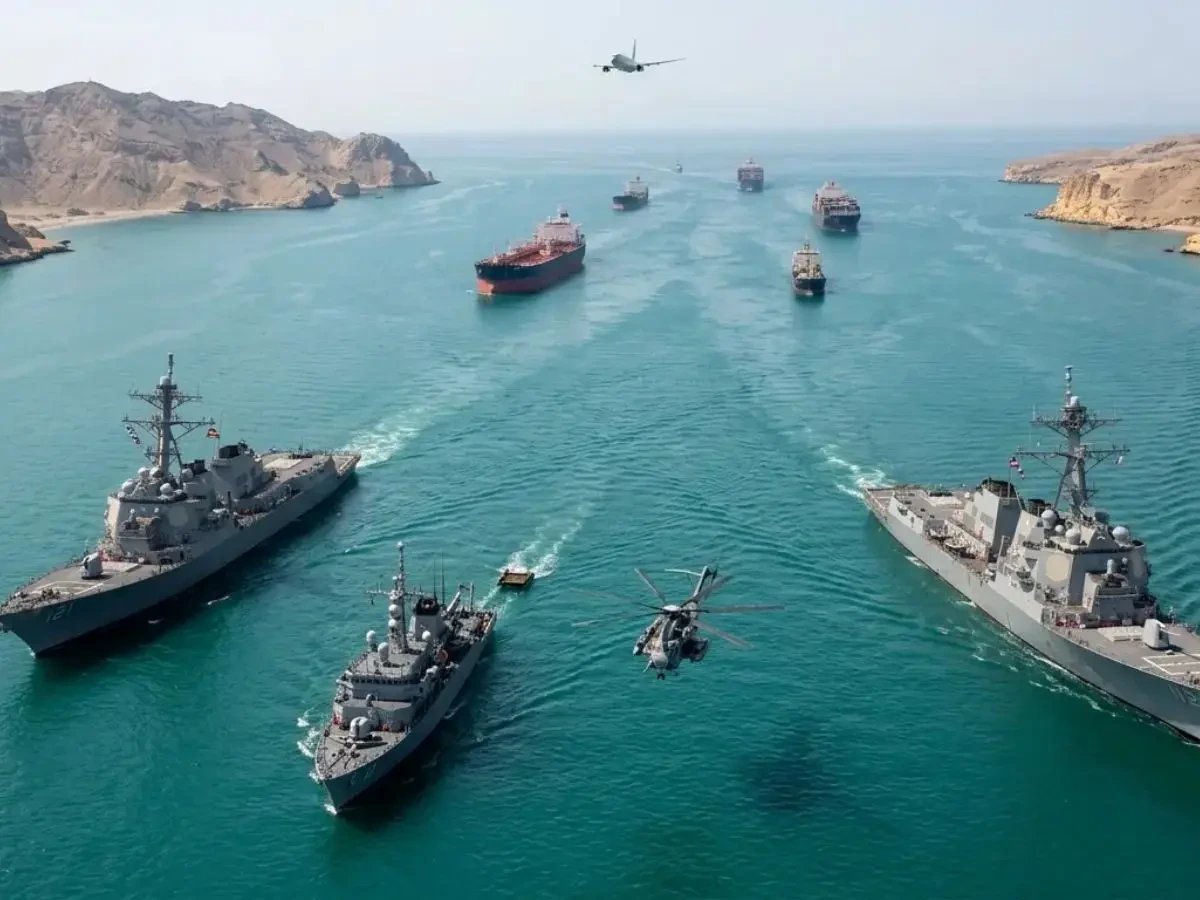
- The Houthi attacks have sharply reduced shipping through the Red Sea, a key route for energy exports, in addition to the already blocked Strait of Hormuz.
- Trump considered airstrikes on the Houthis but later rejected the plan after the group promised not to attack American targets, according to Fox News.
- Trump met with Chinese President Xi Jinping at the White House on September 24; China is Iran's largest oil importer and political partner.
Iranian Overture
President Masoud Pezeshkian told journalists on September 24 in New York, on the sidelines of the UN General Assembly, that Tehran is ready to conclude a US agreement to end the war before the November midterm elections. The statement marks a potential diplomatic opening seven months after the start of the US war against Iran. Pezeshkian's remarks came as the conflict has directly affected two strategic maritime routes: the Strait of Hormuz, through which about 20% of global oil and LNG trade passed before the fighting, and the Red Sea.
Houthi Pressure on Saudi Arabia
Iran-backed Houthi rebels have intensified attacks on Saudi Arabia, increasingly targeting its energy infrastructure and export routes through the Red Sea. According to The New York Times, Crown Prince Mohammed bin Salman called President Trump on September 20 and urged him to intervene to stop the Houthi offensive. Trump at one point considered airstrikes on the Houthis but later abandoned the plan; Fox News reported that the Houthis promised not to attack American targets, and Axios reported that Trump rejected the Saudi request last week.
US Strategy and Diplomacy
Trump is trying to achieve his stated war goals amid rising gasoline and diesel prices and approaching midterm elections in which polls suggest Republicans may lose at least one chamber of Congress. Iran expert Fatima Aman, formerly of the Middle East Institute and the Atlantic Council, told DW that Trump wants to end the war from a position that allows him to declare significant weakening of Iran's nuclear and military potential, restoration of freedom of navigation, and return of Iranians to the negotiating table. Aman added that it is difficult to discern a clear strategy for achieving those goals, and observers note that US military and economic pressure has not led to Iranian capitulation or a long-term agreement. On September 24, Trump met with Chinese President Xi Jinping at the White House; China is Iran's largest oil importer and an important political partner.
1 source
Time · lag behind first