
AI infrastructure investment to reach $10.3 trillion by 2032, Brookings paper finds
This digest was compiled by AI from multiple sources — links to the originals are below.
AI infrastructure investment is projected to total $10.3 trillion through 2032, equal to 3.6% of GDP annually, according to research presented Friday at the Brookings Papers on Economic Activity. The buildout will require trillions in outside capital from bond markets, banks, and private credit, intensifying competition for funds as borrowing costs surge. The financing shift spreads risks across the financial system through structures that are harder to track.
Key Facts
- The paper estimates $10.3 trillion in AI infrastructure investment through 2032, or 3.6% of GDP per year.
- Morgan Stanley estimates Big Tech will need roughly $2.9 trillion to expand computing capacity through 2028, with more than half from outside investors.
- Meta financed most of its $30 billion Hyperion data center through outside investors, paying at least 1 percentage point more in interest and adding over $5 billion in costs over the deal's life.
- Stijn Van Nieuwerburgh, a Columbia Business School professor, says the industry's investment appetite remains resilient to higher rates.
Financing the Buildout
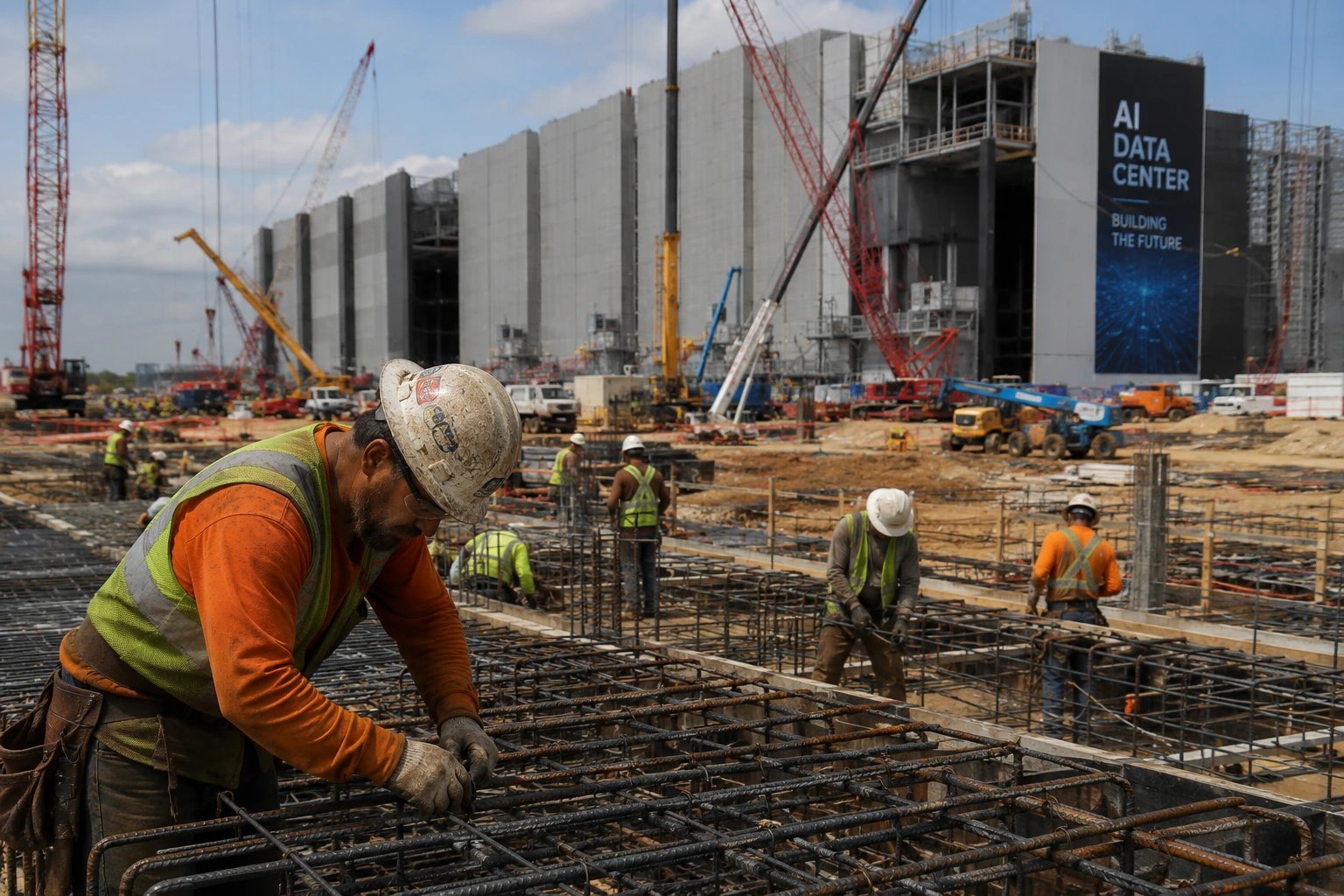
The AI boom has become too large for even the biggest tech companies to finance alone, creating trillions of dollars in demand for outside capital. Financing will require tapping bond markets, banks, and private credit on a massive scale, adding to the flood of debt competing for investors' money. Morgan Stanley estimates Big Tech will need roughly $2.9 trillion to expand computing capacity through 2028, with more than half coming from outside investors. Meta chose to finance most of its $30 billion Hyperion data center through outside investors, even though doing so meant paying substantially more to borrow.
Market and Risk Implications
The more capital the buildout absorbs, the greater the potential pressure on borrowing costs elsewhere in the economy. Any other entity that needs capital — from the U.S. government financing its $2 trillion per year deficit to an individual seeking a home mortgage or car loan — is in competition for funds with these hyperscalers. The surge of outside money, much of it from private credit, allows the AI boom to keep scaling but spreads possible risks across the financial system. These risks often flow through financing structures that are harder for investors and regulators to track.
1 source
Time · lag behind first