
Goldman Sachs sees one more Fed rate hike in 2026 if oil prices fall
This digest was compiled by AI from multiple sources — links to the originals are below.
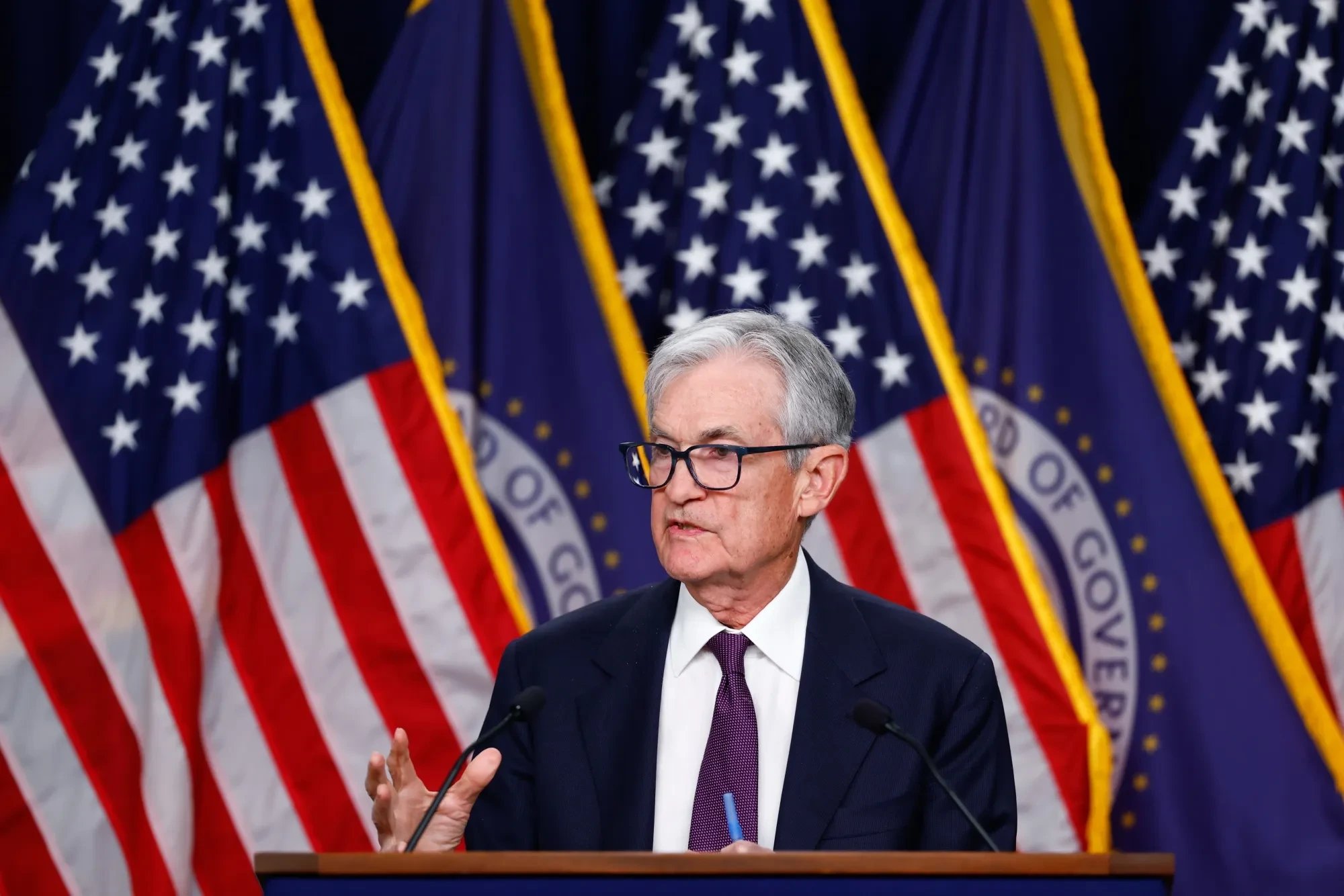
Goldman Sachs projects the Federal Reserve will raise interest rates once more in 2026 at its Oct. 27 meeting, contingent on a sustained pullback in oil prices that cools inflation. The firm expects Brent crude to drop to $85 per barrel by December, easing inflationary pressure. The forecast comes as Brent has already fallen nearly 13% from its recent peak to around $98.44 per barrel.
Key Facts
- Goldman Sachs expects the Federal Reserve to raise interest rates once more in 2026 at its Oct. 27 meeting.
- The firm projects Brent crude oil will drop to $85 per barrel by December.
- Brent crude has fallen nearly 13% from its recent peak of $113 per barrel to around $98.44.
- Goldman Sachs chief economist Jan Hatzius expects rate cuts to a neutral rate of 3.25-3.5% starting in late 2027.
Rate Hike Forecast
Goldman Sachs sees one more interest rate hike for 2026 at the Fed's Oct. 27 meeting, and then the Fed could be done for this cycle. A sustained pullback in oil prices that cools inflation is key to the two-and-done approach to rate hikes, Goldman said ahead of what many in the market expect to be a hawkish Fed meeting this month. Goldman Sachs chief economist Jan Hatzius wrote that there is little precedent in modern FOMC history for skipping meetings before elections, noting the committee hiked by 75 basis points six days before the 2022 midterms. Beyond October, Goldman sees a stable funds rate as core PCE inflation comes down faster than the committee projects, and still expects rate cuts to a neutral rate estimate of 3.25-3.5% starting in late 2027.
Oil Market Dynamics
Crude oil futures have experienced a sharp, multiday sell-off over the past week as lingering geopolitical supply fears have eased. Brent crude has plummeted nearly 13% from its recent peak of $113 per barrel, breaking back below the key $100 psychological barrier to trade around $98.44. The dramatic pullback was triggered by Saudi Arabia's partial restart of its East-West Pipeline. Adding further downside pressure was the diplomatic dialogue between the US and Iran at the United Nations General Assembly. FedWatch Advisors founder Ben Emons said a renaissance in risk is unfolding, sparked by Meta's release of free AI agents and the IRGC's signal that it may open the Strait within seven days.
1 source
Time · lag behind first