
Genome duplication rewired photosynthesis in tropical Clusia trees
This digest was compiled by AI from multiple sources — links to the originals are below.
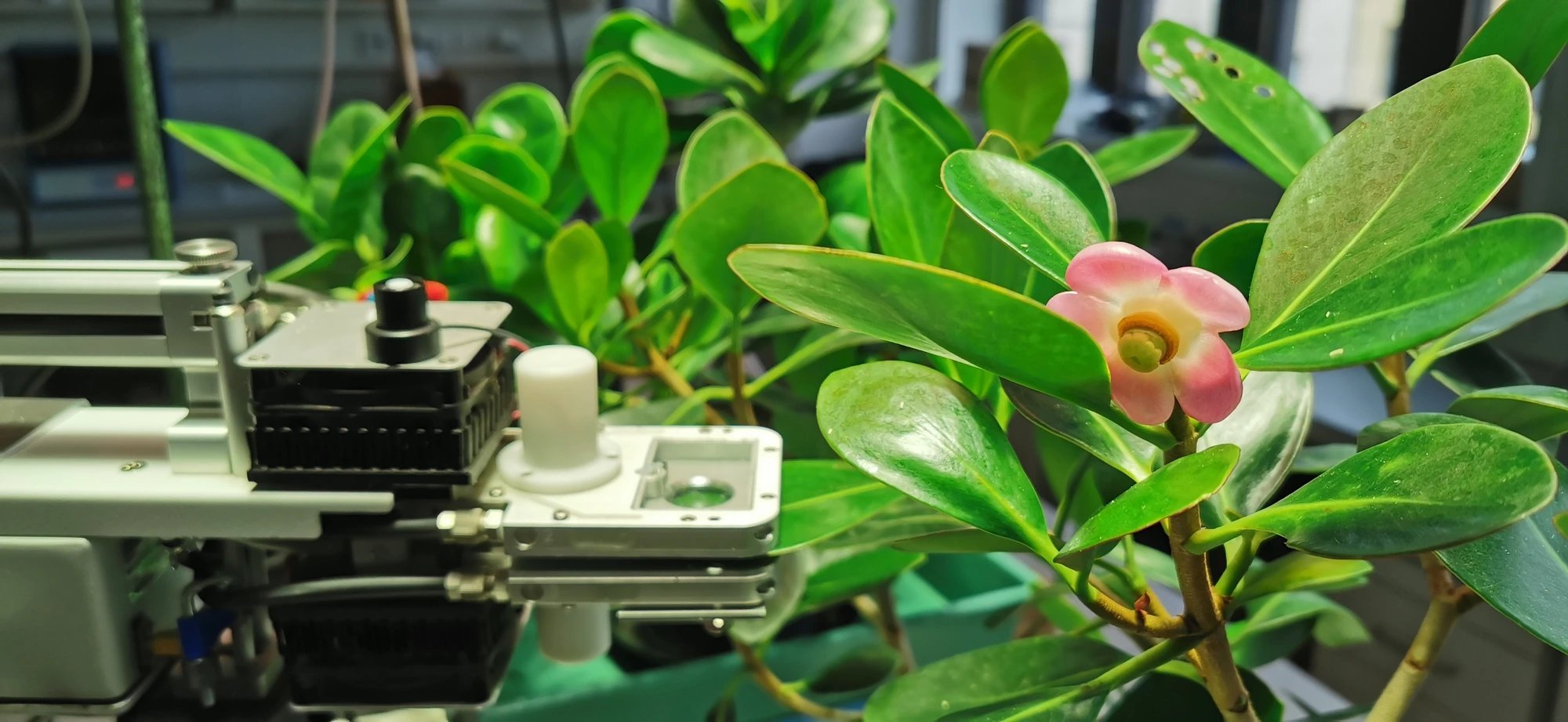
Researchers at the University of Vienna traced how CAM photosynthesis evolved in three Clusia tree species. Ancient genome duplication followed by extensive genetic reorganization produced different forms of CAM. The findings were published in Nature Communications.
Key Facts
- The genus Clusia contains the only known trees that use CAM photosynthesis.
- All three Clusia species studied are ancient polyploids whose genomes were multiplied and later reorganized.
- Genes crucial for nocturnal CO2 storage in CAM metabolism were particularly affected by genome reorganization.
- Alexander von Humboldt observed around 1800 that a Clusia leaf produced no oxygen bubbles in sunlight.
CAM Photosynthesis
CAM photosynthesis allows plants to absorb CO2 at night and store it as malic acid, keeping stomata closed during the day to reduce water loss. Around 1800, Alexander von Humboldt noticed that a Clusia leaf placed in water produced no oxygen bubbles even in sunlight. The genus Clusia is the only known group of trees that uses CAM photosynthesis. Clusia species display a wide range of photosynthetic strategies, from conventional C3 photosynthesis to very strong CAM.
Genome Evolution
Researchers at the University of Vienna compared the genomes of Clusia rosea, Clusia minor, and Clusia major. The genomic analysis revealed that all three species are ancient polyploids whose genomes were multiplied and later reorganized. Lead author Hannes Kramml explains that gene copies are lost, deactivated, or take on new functions during this reorganization. Second lead author Johannes Herpell adds that genes crucial for nocturnal CO2 storage in CAM metabolism were particularly affected.
2 sources
Time · lag behind first