
Iran shifts government work remote and cuts office hours amid fuel crisis
This digest was compiled by AI from multiple sources — links to the originals are below.
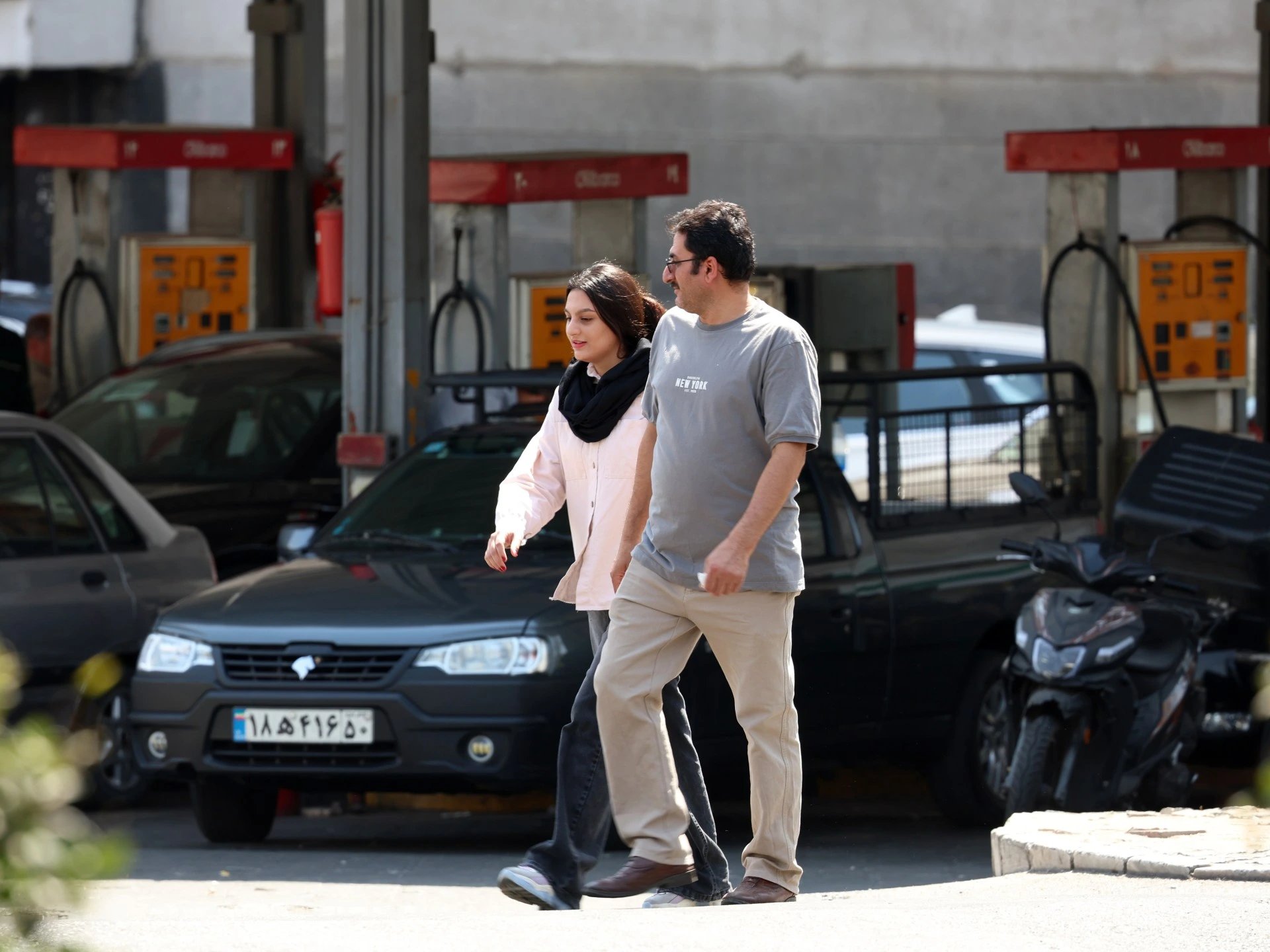
Iran's government ordered state offices to operate from 8am to 1pm starting September 23, with remaining hours completed remotely, to save fuel and energy. Public transport in Tehran will be free until mid-November, and ministers have posted videos of themselves commuting by metro. The measures come as the government raised fuel prices for heavy users for the second time in a year.
Key Facts
- Iranian government offices will operate from 8am to 1pm from September 23 until late March 2027, with remaining contractual hours completed remotely.
- Metro and bus rapid transit in Tehran will be free of charge until mid-November.
- President Masoud Pezeshkian signed a directive on September 12 instructing agencies to facilitate remote work for suitable employees.
- The government raised the price of fuel for the third tier of quotas for the second time in less than a year, doubling the cost for petrol use beyond 110 litres per month.
Government Cost-Saving Measures
The government set office attendance hours from 8am to 1pm starting September 23 and running to the end of the current Iranian year in late March 2027. Remaining contractual hours are to be completed remotely, and agencies must designate one day a week for employees and managers to commute by public transport. Government-linked offices are required to switch off heating and turn off lights after working hours. Worn-out government vehicles will be replaced with electric, gas-powered or hybrid alternatives, though implementation is expected to take years.
Public Transport and Fuel Pricing
Metro and bus rapid transit systems will be free of charge until mid-November to encourage commuters to leave cars at home. Government ministers have released videos showing themselves using the metro to commute to work as part of the campaign. In early September, the government raised the price of fuel for the third tier of quotas for the second time in less than a year. People will pay double for any petrol use beyond 110 litres per month, and imported vehicles and some other car categories are limited to the most expensive fuel tier.
Energy Crisis Context
Resource-rich Iran has dealt with energy crises before, rooted in mismanagement and dated infrastructure, when similar cost-saving measures were implemented. The added pressure of war with the United States and Israel has forced the government to think of creative solutions to energy shortfalls. President Masoud Pezeshkian said earlier this month that consumption savings have begun with the government. The reopening of universities is expected to be staggered and partial, with some lessons shifted online by authorities.
1 source
Time · lag behind first