
Iran faces shortages of 800 medicines as US sanctions and blockade tighten
This digest was compiled by AI from multiple sources — links to the originals are below.
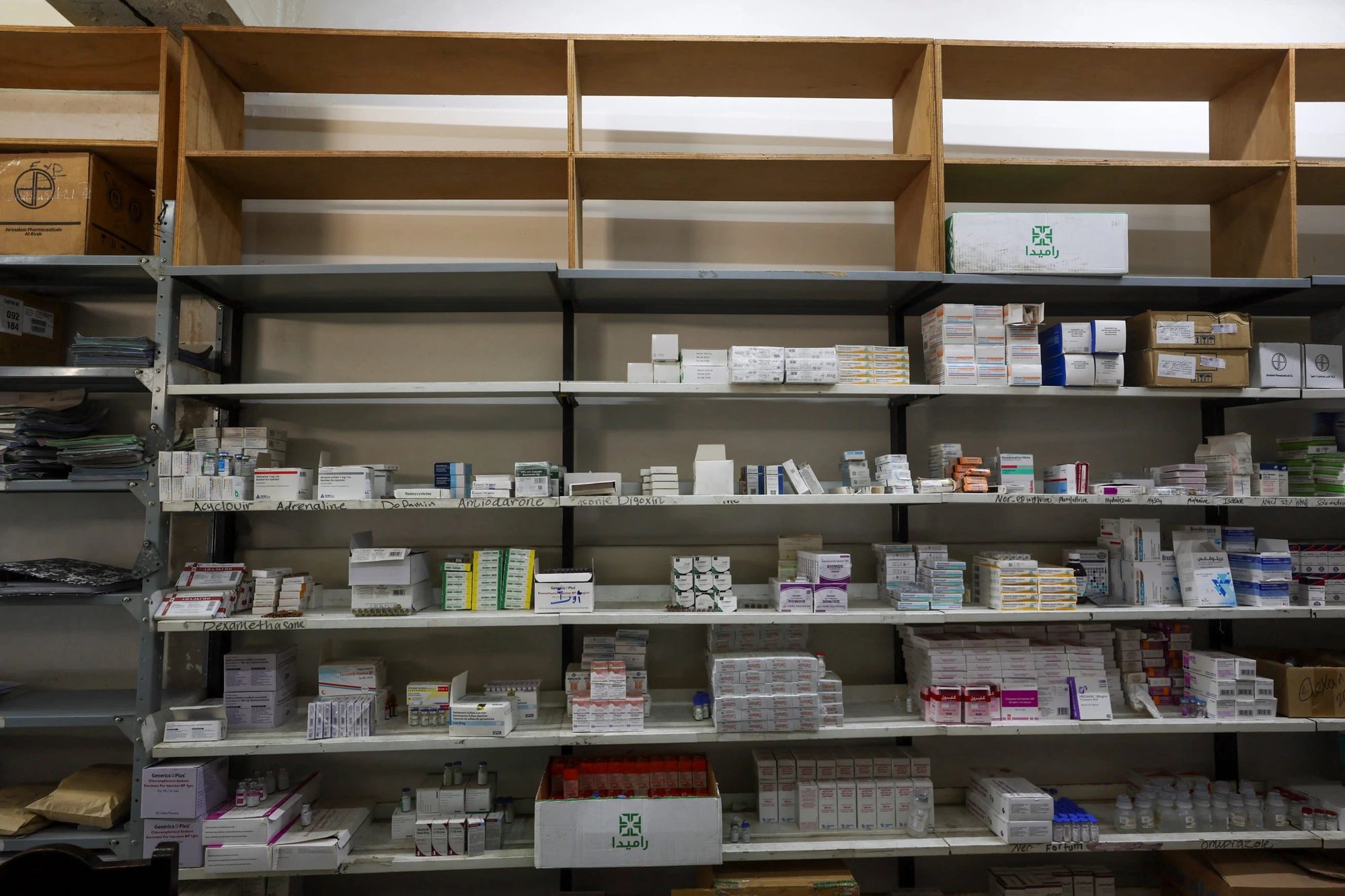
Iran is experiencing shortages of about 800 pharmaceutical products, including 90 essential and life-saving drugs, as US sanctions and a naval blockade tighten. Prices for key medicines have surged, with insulin costing up to six times more than a year ago. The shortages have worsened since the US-Israel war on Iran damaged 44 pharmaceutical and medical equipment companies.
Key Facts
- About 800 pharmaceutical products are in short supply nationwide, including 90 considered essential and life-saving, according to Hadi Ahmadi, spokesman for the Iranian Pharmacists Association.
- The price of gabapentin, used for epilepsy and nerve pain, has risen 220 percent over the past year, while acetaminophen rose 375 percent and amoxicillin 285 percent.
- Insulin now costs up to six times what it did a year ago, according to state-run Mehr News Agency.
- The US-Israel war on Iran, which began in February, damaged or destroyed 44 pharmaceutical and medical equipment companies.
- Iran's inflation rate is among the highest in the world, with essential food items up more than 123 percent year-on-year as of August.
Medicine Shortages
Iranian news outlets have reported growing shortages of medicine for cancer and other serious illnesses amid a crisis in the pharmaceutical sector. About 800 pharmaceutical products are currently in short supply nationwide, including 90 considered essential and life-saving, according to Hadi Ahmadi, a spokesman for the Iranian Pharmacists Association. Four hundred of those drugs are manufactured inside Iran, Ahmadi told local media last week. Farah, a 59-year-old Tehran resident, switched to an Iranian-made version of her autoimmune drug due to price and availability, but now worries that too may become scarce.
Price Surge
The state-run Mehr News Agency reported last week that the price of gabapentin has risen 220 percent over the past year. Acetaminophen has risen by 375 percent, amoxicillin by 285 percent, and fluoxetine by 100 percent. Insulin, a daily necessity for diabetics, now costs up to six times what it did a year ago. The increases are part of a wider inflationary spiral, with essential food items up more than 123 percent year-on-year as of August.
War Damage
For years, Iran has pursued self-sufficiency in medicine, building domestic capacity to manufacture active pharmaceutical ingredients, equipment and finished drugs. The sector still heavily relies on imports for critical ingredients, equipment and rare medications. Washington's years-long 'maximum pressure' sanctions have hobbled financial and logistics networks, leading to significantly higher costs despite existing humanitarian exemptions. The shortages have worsened since the US and Israel's war on Iran, which began in February, damaged and destroyed some 44 pharmaceutical and medical equipment companies.
1 source
Time · lag behind first