
Stopping Ozempic may raise heart attack and stroke risk
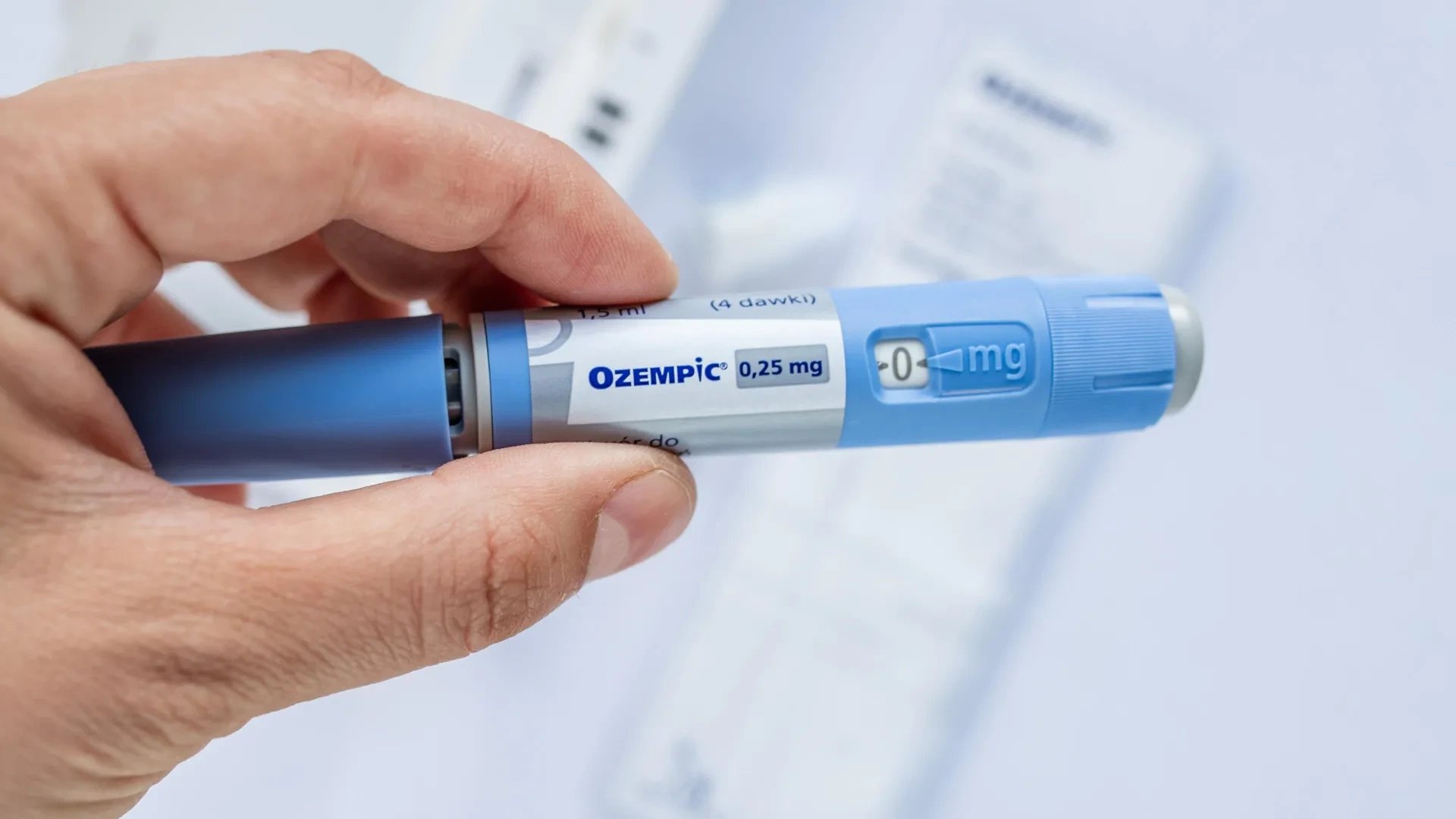
This digest was compiled by AI from multiple sources — links to the originals are below.
Researchers at Washington University School of Medicine in St. Louis tracked more than 333,000 U.S. veterans with type 2 diabetes for three years and found that interrupting or stopping GLP-1 treatment for as little as six months was associated with a meaningful increase in the risk of major cardiovascular events compared with remaining on the medication. The longer patients stayed off treatment, the greater the increase in risk, with the risk of heart attack, stroke and death up to 22% higher after two years without GLP-1 therapy. The findings, published in BMJ Medicine, suggest that stopping GLP-1 medications may have consequences that extend well beyond weight regain.
Key Facts
- The study analyzed data from 333,687 veterans with type 2 diabetes, of whom 132,551 had been prescribed GLP-1 drugs and 201,136 had been prescribed sulfonylureas.
- After two years without GLP-1 therapy, the risk of heart attack, stroke and death was up to 22% higher than among people who continued treatment.
- Senior author Ziyad Al-Aly, MD, is a WashU Medicine clinical epidemiologist and chief of the Research and Development Service at the VA Saint Louis Health Care System.
- The findings were published in BMJ Medicine.
Study Design
Researchers at Washington University School of Medicine in St. Louis tracked more than 333,000 U.S. veterans with type 2 diabetes for three years. The study focused on major adverse cardiovascular events, including heart attack, stroke and death. Researchers analyzed data from 333,687 veterans with type 2 diabetes, of whom 132,551 had been prescribed GLP-1 drugs and 201,136 had been prescribed sulfonylureas. Sulfonylureas include glipizide (Glucotrol), glimepiride (Amaryl), and glyburide (Diabeta and others). Researchers reassessed GLP-1 treatment status every six months.
Cardiovascular Risk Findings
Interrupting or stopping GLP-1 treatment for as little as six months was associated with a meaningful increase in the risk of major cardiovascular events compared with remaining on the medication. The longer patients stayed off treatment, the greater the increase in risk. After two years without GLP-1 therapy, the risk of heart attack, stroke and death was up to 22% higher than among people who continued treatment, largely wiping out the cardiovascular protection gained while taking the drugs. Restarting the medication helped restore some protection, but only partially, showing that discontinuation leaves a lasting scar.
Expert Commentary
Senior author Ziyad Al-Aly, MD, a WashU Medicine clinical epidemiologist and chief of the Research and Development Service at the VA Saint Louis Health Care System, said there is enormous exuberance about starting GLP-1 drugs, but not nearly enough attention to what happens when people stop. Al-Aly noted that many quit after a few months because of cost, side effects or shortages. He said that when they stop, it's not just weight that comes back; they experience a resurgence in inflammation, blood pressure, and cholesterol. Al-Aly added that the data suggest this metabolic whiplash is detrimental to heart health.
1 source
Time · lag behind first