
GLP-1 drugs like Ozempic linked to 7% higher hair loss risk in men
This digest was compiled by AI from multiple sources — links to the originals are below.
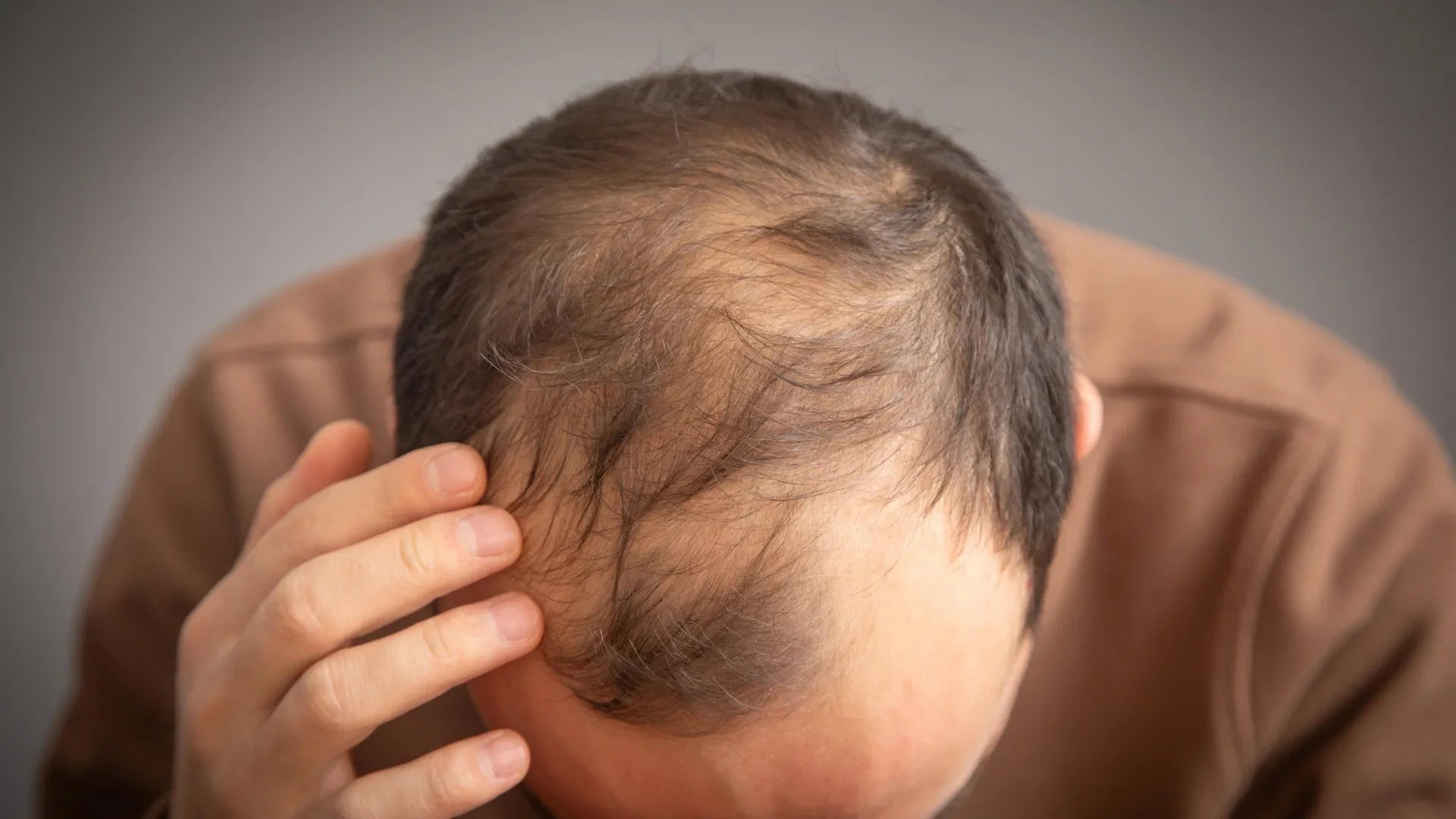
Men genetically predisposed to male-pattern baldness face an additional 7 percent risk of hair loss when using GLP-1 drugs such as Ozempic, Wegovy, and Zepbound, according to a study by NYU Langone Health. The study, published Sept. 3 in the Journal of Investigative Dermatology, found that genetic variants linked to higher GLP-1 receptor activity were more common in men with androgenetic alopecia. The association remained even after accounting for hypertension, insulin resistance, and testosterone levels.
Key Facts
- Men using GLP-1 drugs for type 2 diabetes or obesity face an additional 7 percent risk of hair loss if genetically predisposed to androgenetic alopecia.
- The study was conducted by researchers at NYU Langone Health and published online Sept. 3 in the Journal of Investigative Dermatology.
- Genetic variants associated with naturally higher levels of GLP-1 receptor proteins were more common in men with androgenetic alopecia.
- The 7 percent increased risk remained after adjusting for hypertension, insulin resistance, and reduced testosterone levels.
- Study senior investigator Lynn Petukhova, PhD, called the finding the first genetic link between GLP-1 use and male-pattern hair loss.
Study Methodology
Researchers at NYU Langone Health examined the GLP1R gene, which influences levels of glucagon-like peptide-1 (GLP-1) receptor proteins in the body. They used activity involving this gene as an indicator of GLP-1 agonist activity, with greater GLP1R activity associated with higher levels of GLP-1 receptor proteins. The team compared genetic patterns associated with GLP1R activity with genes found in men who have androgenetic alopecia, the inherited form of hair loss affecting the top and front of the scalp. Because male hair loss has been studied far more extensively than hair loss in women, the researchers were only able to investigate a possible causal connection in men.
Findings and Risk Factors
Researchers found that genetic variants associated with naturally higher levels of GLP-1 receptor proteins were more common in men with androgenetic alopecia. The team adjusted its analysis to account for hypertension, a known risk factor for hair loss thought to interfere with blood flow to the scalp. Even after accounting for hypertension, the additional 7 percent risk remained. The researchers also examined whether insulin resistance, a cause of type 2 diabetes, or reduced testosterone levels could explain the association, but neither factor did. The increased hair loss risk associated with GLP-1 activity remained at 7 percent.
Clinical Implications
Hair thinning has been reported by both men and women taking GLP-1 drugs, with researchers previously attributing much of that shedding to rapid weight loss. In many cases, people taking GLP-1 drugs have reported that their hair begins growing again several months after their weight stabilizes. Scientists have also suspected that genetics might play a role in the hair loss associated with these medications. The new findings, published online Sept. 3 in the Journal of Investigative Dermatology, provide evidence supporting that possibility. Study senior investigator Lynn Petukhova, PhD, an assistant professor in the Ronald O. Perelman Department of Dermatology at NYU Langone Health, said the study provides the first genetic link between GLP-1 use and an increased risk of male-pattern hair loss from androgenetic alopecia.
1 source
Time · lag behind first