
USAID shutdown left $1 billion annual climate funding gap, report finds
This digest was compiled by AI from multiple sources — links to the originals are below.
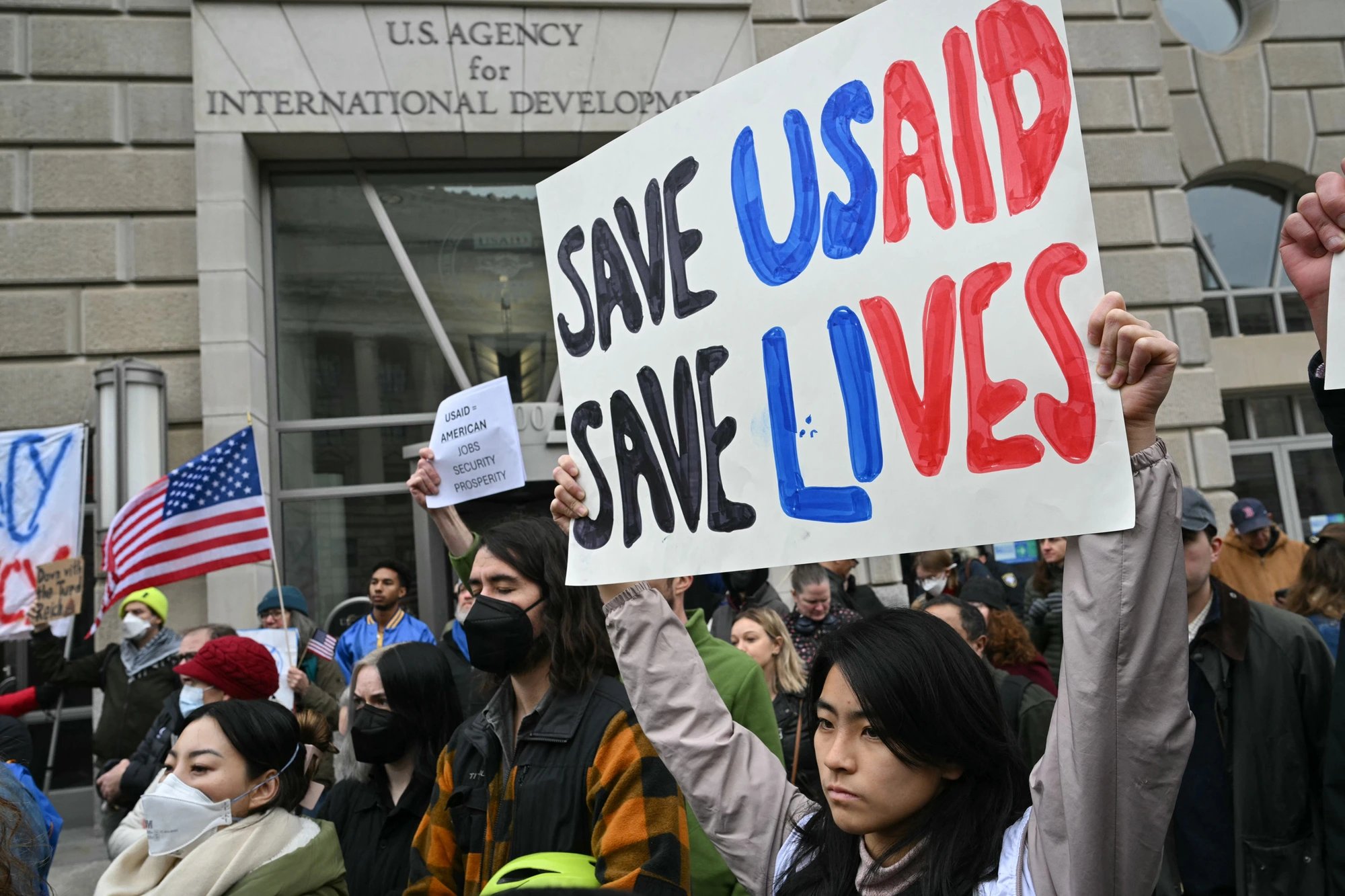
The dismantling of USAID eliminated roughly $1 billion in annual funding for climate and environmental programs, according to a report by two former senior agency officials. Interviews with 150 people in five countries found deforestation and illicit activity spiked while governments retreated from environmental reforms. The gap remains unfilled a year and a half after the agency's closure.
Key Facts
- USAID provided $1 billion annually for climate and environmental programs before its dismantling.
- The report's authors interviewed 150 people in Bangladesh, Colombia, Kenya, Peru, and Vietnam.
- Survey responses were gathered from 175 people or organizations across the globe.
- Hadas Kushnir, a former USAID natural climate solutions division chief, co-authored the report with Monica Bansal, former director of the Center for Energy, Infrastructure and Cities.
Funding Gap
USAID was one of the world's largest funders of conservation, climate resilience, and environmental programs before its abrupt dismantling last year. The agency gave $1 billion annually for climate and the environment alone, according to the report. A year and a half after the Trump administration shuttered the agency, few if any funders are filling the gap. USAID tended to write large grants that lasted years, allowing partners to build programs they couldn't with other types of funding.
Environmental Backsliding
Interviewees consistently reported that USAID's withdrawal led to immediate backsliding on environmental standards and accountability in the countries where it had worked. Deforestation and illicit activity have spiked since the agency's closure. Government officials lost support for pushing environmental reforms in their own countries without USAID's backing. Governments and civil society groups also reported losing access to many types of data, including websites that served as clearinghouses and digital libraries for development and environmental programs.
Capacity and Data Loss
Hadas Kushnir, a report co-author and former USAID natural climate solutions division chief, said the loss extended beyond funding to capacity support, data, and websites that local organizations relied on. Kushnir co-founded One Earth Partners, an advisory firm focused on climate and environmental development, with Monica Bansal, former director of the Center for Energy, Infrastructure and Cities at USAID. The U.S. government now has less intelligence about what is happening in many countries to support its diplomatic work, according to the report.
1 source
Time · lag behind first