
Houthi strikes on Saudi Arabia strain Iran-Gulf detente
This digest was compiled by AI from multiple sources — links to the originals are below.
Houthi drone and missile attacks on Saudi cities on September 8 have reignited cross-border escalation from Yemen. The strikes, alongside renewed fighting around Bab al-Mandeb, are straining the 2023 Beijing-brokered Saudi-Iranian agreement. The escalation coincides with Tehran's restrictions on the Strait of Hormuz, raising the strategic value of Red Sea routes.
Key Facts
- On September 8, the Houthis launched coordinated drone and ballistic missile attacks on Saudi cities including Abha, Khamis Mushait, Jizan and Najran.
- Earlier this year, Riyadh expelled Iran's military attaché and four other embassy staff after direct Iranian attacks on Saudi Arabia.
- By mid-September, the escalation had displaced tens of thousands of people within Yemen and pushed others across the Red Sea to Djibouti.
- The Houthis seized Mocha and strategic islands around Bab al-Mandeb, underscoring the confrontation's strategic dimension.
- Since February, Tehran has severely restricted shipping through the Strait of Hormuz amid the Israel-U.S. war on Iran.
Cross-Border Escalation
Fighting that had largely remained within Yemen's borders has once again crossed into Saudi territory, drawing the consequences of the war directly into the Gulf security environment. The September 8 strikes coincided with renewed fighting between the Houthis and Yemeni government forces around Bab al-Mandeb, one of the region's most strategically important maritime chokepoints. The Houthi seizure of Mocha and strategic islands around Bab al-Mandeb further underscored the confrontation's strategic dimension. The conflict is no longer defined solely by control of territory within Yemen; it is increasingly tied to control of strategic geography and the capacity to project pressure beyond Yemen's borders.
Strain on Saudi-Iranian Framework
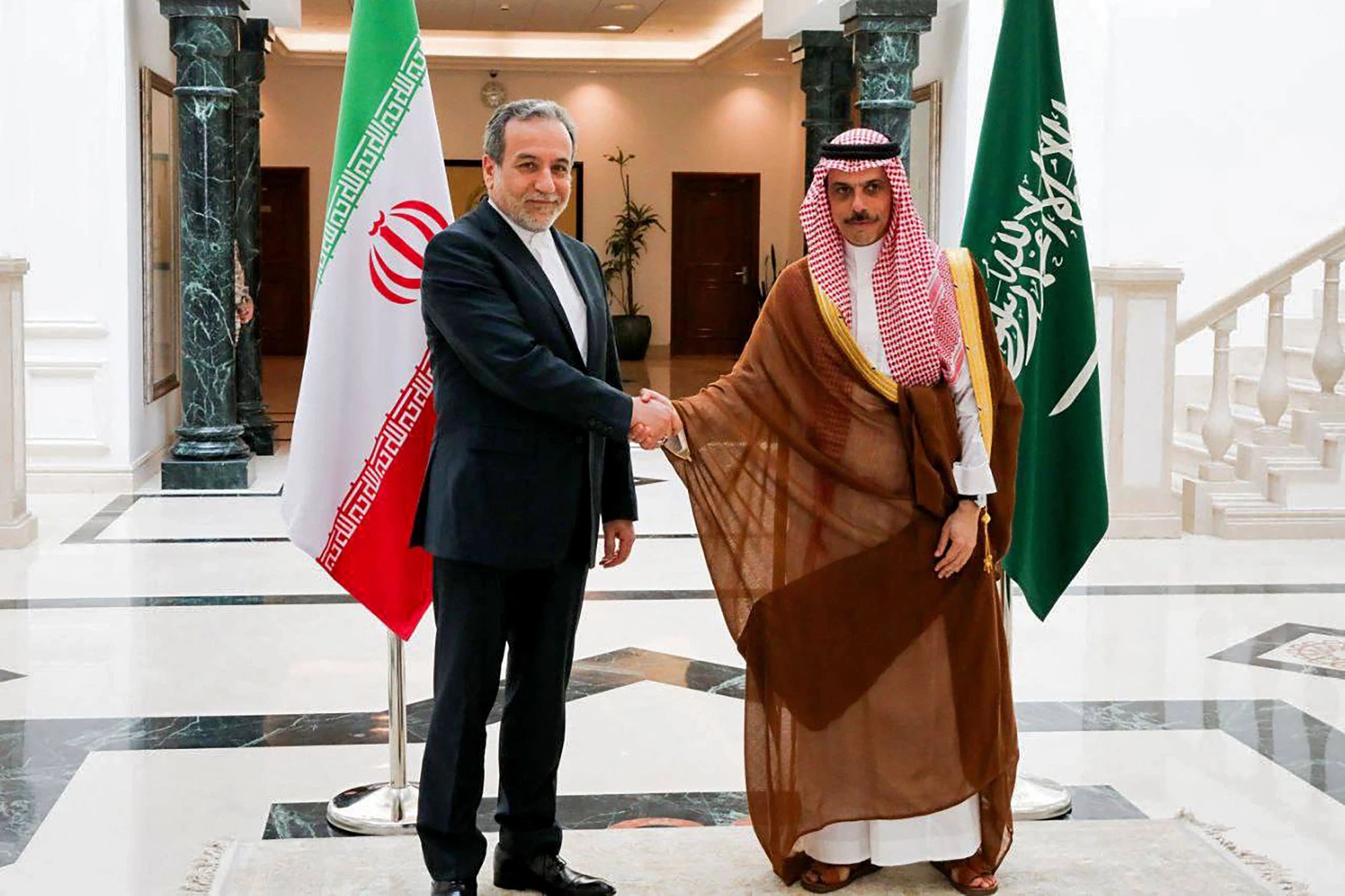
The 2023 Beijing-brokered agreement between Saudi Arabia and Iran created political space for competition to be managed without repeatedly spilling into direct regional escalation. That space came under severe strain earlier this year, when direct Iranian attacks on Saudi Arabia led Riyadh to expel Iran's military attaché and four other embassy staff. Renewed Houthi attacks on Saudi territory and the postponement of planned talks in Oman are now placing what remains of that diplomatic framework under further strain. These developments expose a deeper contradiction in Tehran's regional strategy: sustaining stable diplomatic relations with Arab Gulf neighbours while drawing strategic leverage from a network capable of directly threatening their security.
Strategic Geography of Pressure
Since Israel and the United States launched their war on Iran in February, Tehran has severely restricted shipping through the Strait of Hormuz, sharply increasing the importance of Saudi Arabia's western export routes through the Red Sea. That shift has increased the strategic importance of Bab al-Mandeb as an alternative gateway for energy flows. The timing of the Houthi escalation matters because it is unfolding alongside growing pressure elsewhere in the region.
1 source
Time · lag behind first