
US sanctions push Gulf states into Iran economic war dilemma
This digest was compiled by AI from multiple sources — links to the originals are below.
The United States launched Operation Economic Outcast on Monday, imposing sweeping sanctions on Iran's remaining revenue sources. Treasury Secretary Scott Bessent warned banks and businesses they would share Iran's isolation if they refuse to cooperate. Gulf states face pressure to cut economic ties with Iran even as Tehran threatens to block all oil shipments from the Persian Gulf.
Key Facts
- US Treasury Secretary Scott Bessent announced Operation Economic Outcast on Monday, targeting Tehran's remaining revenue sources.
- Bessent called the sanctions 'the single greatest financial offensive ever' against Iran and warned that banks and businesses would share Iran's isolation if they refuse to cooperate.
- Iran's Secretary of the Supreme National Security Council Mohsen Rezaei said last week that if any surrounding countries join the Americans in their economic war, 'not a drop of oil will leave the Persian Gulf and the strait of Hormuz'.
- The United Arab Emirates moved last week to decisively cut economic ties with Iran, while Saudi Arabia, Qatar and Oman may have different strategic calculations.
Operation Economic Outcast
The United States launched Operation Economic Outcast on Monday, imposing tougher sanctions on Iran's remaining sources of revenue. Treasury Secretary Scott Bessent described the measures as 'the single greatest financial offensive ever' against Iran. Bessent warned that banks and businesses would share in Iran's isolation if they refuse to cooperate, stating, 'No one is above the reach of US sanctions.' The operation marks a shift from military strikes to economic pressure nearly six months after the US and Israel launched the first missiles in their war on Iran.
Gulf States' Dilemma
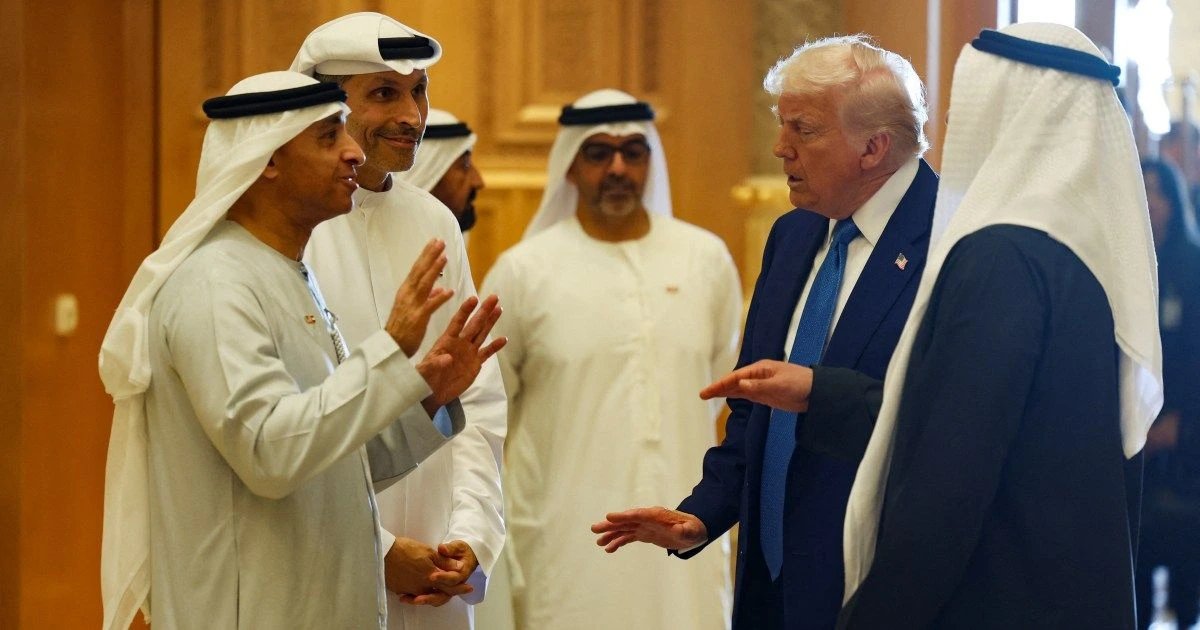
Gulf states have repeatedly found themselves caught in the crosshairs during the US-Iran war as Iran has targeted US military assets and infrastructure in neighbouring countries. Washington's Gulf allies face an uncomfortable paradox: the US military presence helps protect them from Iranian missiles and drones, but also makes their territories potential targets. Because of their security relationship with the United States, they are under increasing pressure to cut economic ties with Iran, which could provoke further Iranian retaliation and risk drawing them deeper into the conflict. The United Arab Emirates moved last week to decisively cut economic ties with Iran, while Saudi Arabia, Qatar and Oman may have different strategic calculations.
Strait of Hormuz Threat
Iran's Secretary of the Supreme National Security Council Mohsen Rezaei said last week that if any surrounding countries join the Americans in their economic war, 'not a drop of oil will leave the Persian Gulf and the strait of Hormuz'. In peacetime, one-fifth of the world's oil and natural gas is shipped by Gulf producers through the critical waterway. The strait has become the main bone of contention in the war since Iran effectively closed it to shipping at the start of the war. Analysts say Gulf countries have strong incentives to preserve diplomatic channels with Tehran and to push for a deal that could reopen the Strait of Hormuz.
1 source
Time · lag behind first