
Congress pledges mental health support after Cyber Command suicides
This digest was compiled by AI from multiple sources — links to the originals are below.
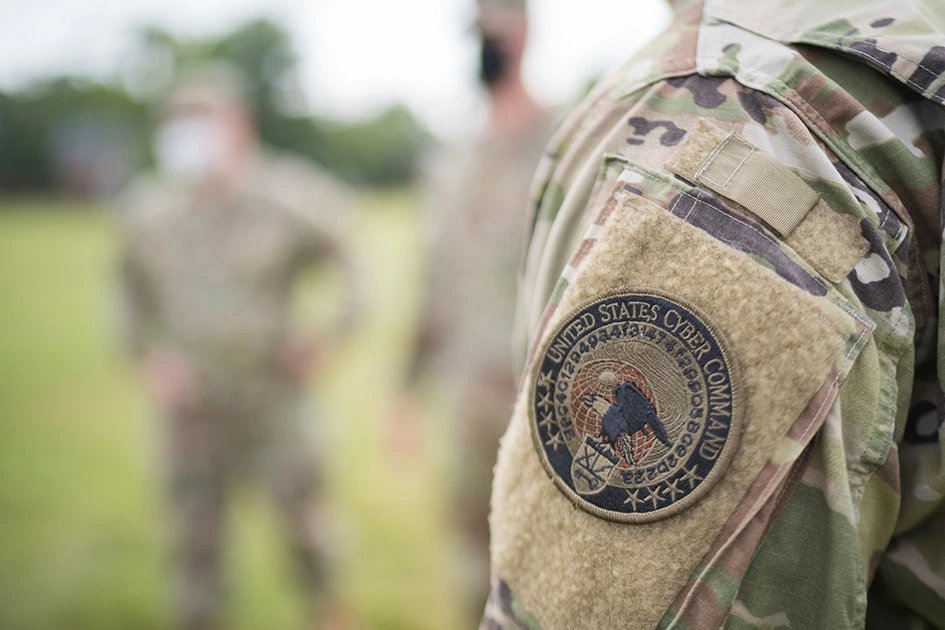
Congress pledged to provide mental health services to personnel and families affected by a suicide cluster in a U.S. Cyber Command unit at Fort Meade, Maryland, following a Sept. 3 briefing to the House Armed Services Committee. Five service members or affiliated personnel died by suicide over five weeks between early June and July. Rep. Sarah Elfreth is working to secure additional mental health resources and funding for Fort Meade.
Key Facts
- Five service members and/or affiliated personnel died by suicide over five weeks between early June and July in a cybersecurity unit at Fort Meade, Maryland.
- U.S. Cyber Command briefed the House Armed Services Committee on the suicide cluster on Sept. 3.
- Rep. Sarah Elfreth secured a provision in last year's National Defense Authorization Act requiring U.S. Cyber Command and the Cyber Mission Force to hire mental health professionals with security clearances at each operating location.
- Elfreth is working to include mental health funding in the House's defense appropriations bill.
The Suicide Cluster
A suicide cluster affected a specific cybersecurity unit at Fort Meade, Maryland, with five service members and/or affiliated personnel dying by suicide over five weeks between early June and July. U.S. Cyber Command briefed the House Armed Services Committee on the cluster on Sept. 3. Critics contend that cyber units face continuous 'deployed in place' scenarios spanning multiple shifts and chronic shortages of qualified cybersecurity personnel.
Congressional Response
Congress pledged to get required mental health services to affected personnel and their families following the briefing. Rep. Sarah Elfreth, D-Md., whose district includes many Fort Meade workers, is working alongside U.S. Cyber Command to bring additional mental health resources to the base. In last year's National Defense Authorization Act, Elfreth secured a provision requiring U.S. Cyber Command and the Cyber Mission Force to hire mental health professionals with security clearances at each operating location. Her amendment also requires quarterly briefings on the status of the initiative, validating clearances, challenges, and efforts to improve awareness of cleared physicians. Elfreth is working to include mental health funding in the House's defense appropriations bill.
High-Stress Profession
Security professionals largely declined comment on the Cyber Command news, citing sensitivity. Matan Shavit, GM North America for Hadrian, said security is a high-stress profession requiring realistic staffing, genuine rotations out of high-intensity roles, protected recovery time after major incidents, and better prioritization. Shavit noted that AI can remove repetitive work and help analysts process information faster, but it is also accelerating both attack and defense. Kevin Surace, CEO at TokenCore, said cybersecurity has become an incredibly high-stress job.
2 sources
Time · lag behind first