
Hegseth orders cyber, intelligence agencies to prioritize election defense
This digest was compiled by AI from multiple sources — links to the originals are below.
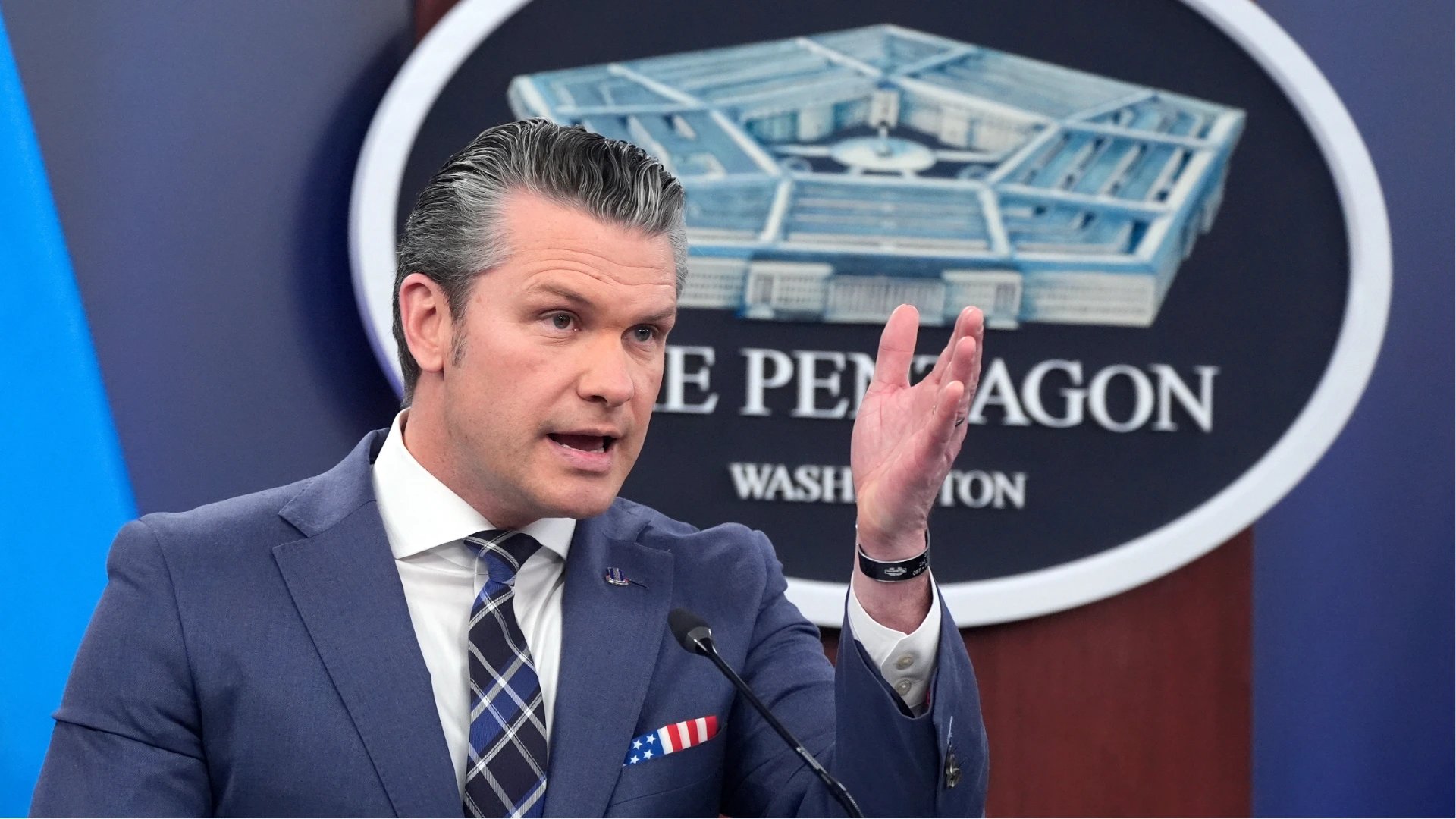
Defense Secretary Pete Hegseth directed U.S. Cyber Command and military intelligence agencies to prioritize countering foreign threats to the upcoming elections. The Sept. 22 memorandum orders intelligence collection and coordination with the Department of Homeland Security. The directive comes amid a broader retreat from dedicated federal efforts to track foreign influence.
Key Facts
- The Sept. 22 memorandum directs the defense intelligence enterprise to gather and analyze information on foreign election threats.
- Cyber Command is instructed to use its existing authorities and capabilities to counter potential cyberattacks by foreign actors targeting the elections.
- The memo is addressed to the leaders of Cyber Command, the National Security Agency, the Defense Intelligence Agency and the National Geospatial-Intelligence Agency.
- The directive does not identify particular adversaries or operations, specify additional staffing or funding, or set implementation deadlines.
Directive Details
Hegseth wrote that he is directing the entire Defense Intelligence Enterprise to mobilize every authorized asset, capability, and partnership to defend election infrastructure from foreign malign influence. The memo calls protecting elections a "no-fail mission" but does not identify particular adversaries or operations. It separately directs Cyber Command to use its existing authorities and capabilities to counter potential cyberattacks by foreign actors targeting the elections.
Broader Context
The directive comes amid a broader retreat from dedicated federal efforts to track foreign influence and disinformation. The second Trump administration has dismantled the FBI's Foreign Influence Task Force, reorganized the intelligence community's coordination of that work and reduced election security support at the Cybersecurity and Infrastructure Security Agency. At the Office of the Director of National Intelligence, an overhaul shifted many responsibilities of the Foreign Malign Influence Center to other offices. ODNI has subsequently assigned two officials to coordinate election threat intelligence.
Agency Roles
The NSA collects foreign signals intelligence, including intercepted communications, to understand adversaries' plans and capabilities, while also helping protect sensitive U.S. systems. Cyber Command conducts military cyber operations, including missions to disrupt foreign hackers and the infrastructure they use. The organizations have previously combined those capabilities through a joint Election Security Group. Hegseth's memo does not specify whether the same organizational model will be used this year.
1 source
Time · lag behind first