
Kazakhstan approves 66.2 billion tenge veterinary reform through 2030
This digest was compiled by AI from multiple sources — links to the originals are below.
Kazakhstan's government has approved a comprehensive veterinary development plan for 2026–2030, allocating 66.2 billion tenge for 2026–2027 to build or acquire 2,399 veterinary facilities. Agriculture Minister Aidarbek Saparov announced the plan at a ministry board meeting, emphasizing its role in veterinary safety and export access. The initiative follows construction delays in several regions, including Kostanay and Akmola.
Key Facts
- Kazakhstan will allocate 66.2 billion tenge in 2026–2027 to strengthen the veterinary service's material and technical base.
- The plan calls for the construction or purchase of 2,399 veterinary facilities over two years.
- In 2026 alone, 36.3 billion tenge is earmarked for 1,298 veterinary facilities.
- Over the previous two years, local budgets funded 626 veterinary infrastructure facilities at a total cost of 10.6 billion tenge.
- The Ministry of Agriculture reported construction delays in Kostanay, Akmola, Karaganda, Atyrau, Almaty, Pavlodar, Abai, and Zhetisu regions as of August.
Plan Approval and Scope
The government approved the Comprehensive Veterinary Development Plan for 2026–2030, covering infrastructure, laboratory diagnostics, digitalization, personnel, legislation, and veterinary pharmaceuticals. Agriculture Minister Aidarbek Saparov chaired the board meeting where the plan was discussed. Saparov stated that the plan forms a modern veterinary safety system and that the key task is efficient use of allocated resources to achieve concrete results on the ground. The meeting included heads of subordinate organizations, regional representatives, and territorial units.
Infrastructure Investment
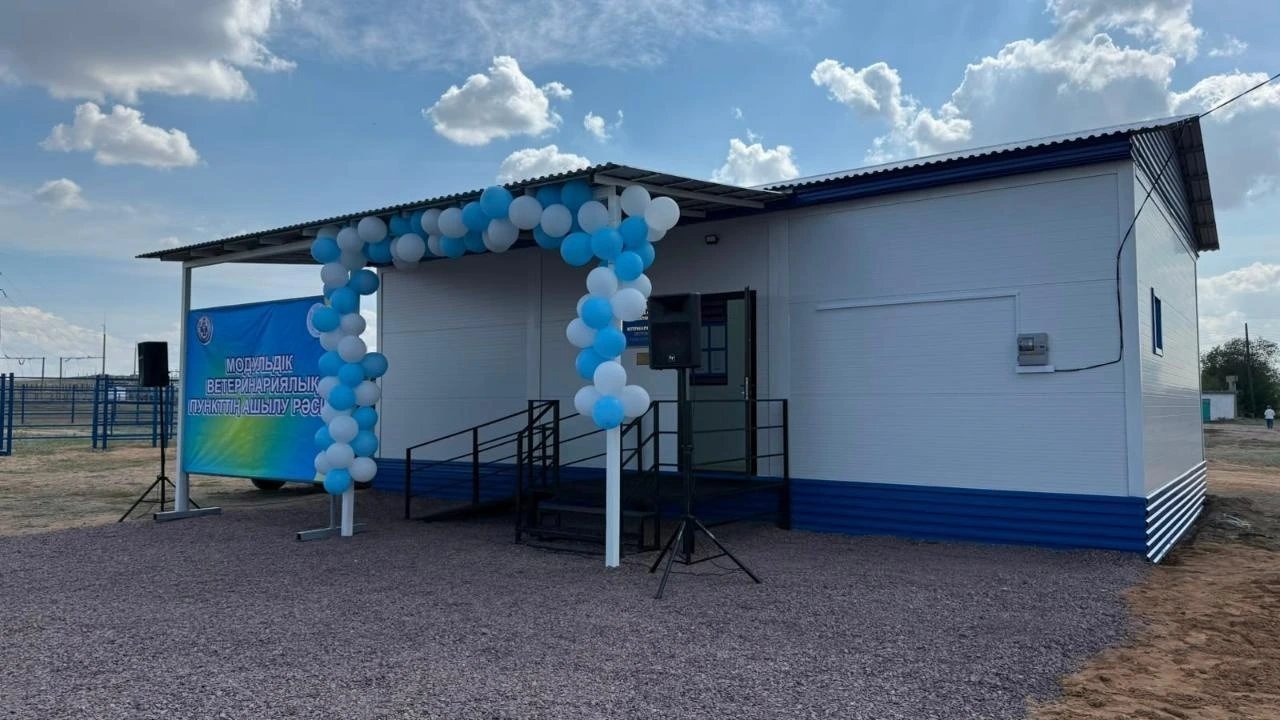
For 2026–2027, 66.2 billion tenge is allocated to strengthen the veterinary service's material and technical base, with plans to build or acquire 2,399 facilities. In 2026, 36.3 billion tenge is earmarked for 1,298 facilities, according to the Ministry of Agriculture. Over the previous two years, local budgets built or purchased 626 veterinary infrastructure facilities at a total cost of 10.6 billion tenge. In August, the ministry reported construction delays in Kostanay, Akmola, Karaganda, Atyrau, Almaty, Pavlodar, Abai, and Zhetisu regions. Saparov demanded accelerated construction and commissioning of facilities and stronger on-site control.
Implementation Priorities
Vice Minister Amangali Berdalin reported on eight main directions of the Comprehensive Plan, including epizootic welfare, laboratory diagnostics, digitalization, personnel, veterinary pharmaceuticals, animal vaccination, livestock identification, and infrastructure development. A separate task is inventorying and bringing cattle burial ground fences into proper condition by the end of October. The ministry is also transitioning the sector to digital tools, strengthening laboratory diagnostics, updating border control systems, and expanding export opportunities for livestock products.
2 sources
Time · lag behind first