
Central Asia schools reopen amid renewed hijab restrictions in Kazakhstan, Tajikistan, Uzbekistan
This digest was compiled by AI from multiple sources — links to the originals are below.
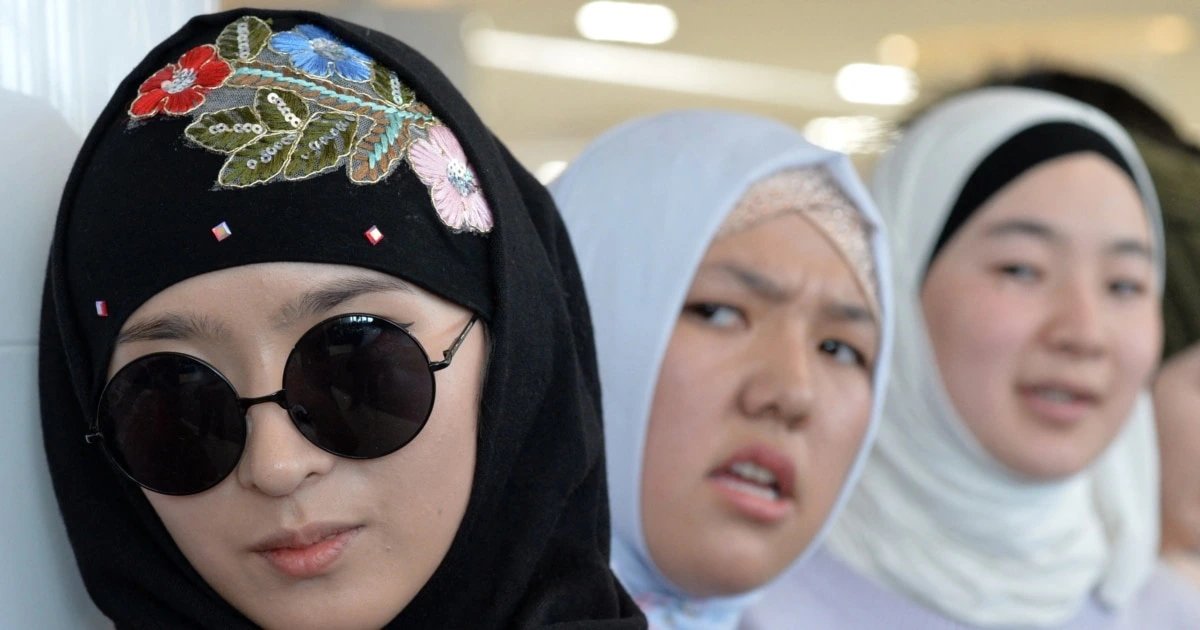
Education authorities in Kazakhstan, Tajikistan, and Uzbekistan are enforcing bans on the hijab in public schools as the new academic year begins. Kazakhstan's education minister warned private schools could lose licenses for allowing the headscarf. The restrictions have renewed debate over religious expression in the secular states.
Key Facts
- Kazakhstan's Education Ministry issued a 2016 decree prohibiting religious symbols, including the hijab, in school uniforms.
- Education Minister Zhuldyz Suleimenova warned that private schools allowing the hijab could be deprived of their licenses.
- A teacher in Shymkent reported that four girls who refused to remove their headscarves passed an unscheduled writing test, preventing their expulsion.
- The hijab is banned in public schools and government offices in Tajikistan, Kazakhstan, and Uzbekistan.
Kazakhstan's Enforcement
Education Minister Zhuldyz Suleimenova warned that private schools allowing girls to wear the hijab could be deprived of their licenses. A teacher at a public school in Shymkent said several girls in her class refused to remove their headscarves. The school conducted an unscheduled writing test, apparently hoping poor grades would justify expulsion, but all four girls passed. Kazakh officials have portrayed the hijab issue as a matter of national security and protection of the country's secular political system.
Regional Restrictions
The hijab is banned in public schools and government offices in Tajikistan, Kazakhstan, and Uzbekistan. In Tajikistan, a student at Khujand State University said a professor reminded her that the hijab is banned at schools. Rules over Islamic head coverings vary across Central Asia, but governments have sought to restrict independent Islamic activity and regulate religious expression.
Broader Debate
Experts say the hijab debate reflects a broader struggle over how much space secular governments are willing to give religious expression. Davide Cancarini, a Milan-based researcher focusing on Central Asia, said the hijab is the most visible element of the debate. Central Asia has grappled with Islamic extremism in recent years, but critics say authorities have severely restricted signs of Islam without addressing the causes of radicalization.
1 source
Time · lag behind first