
BRICS New Delhi Summit Signals Shift From Rule Takers to Rule Makers
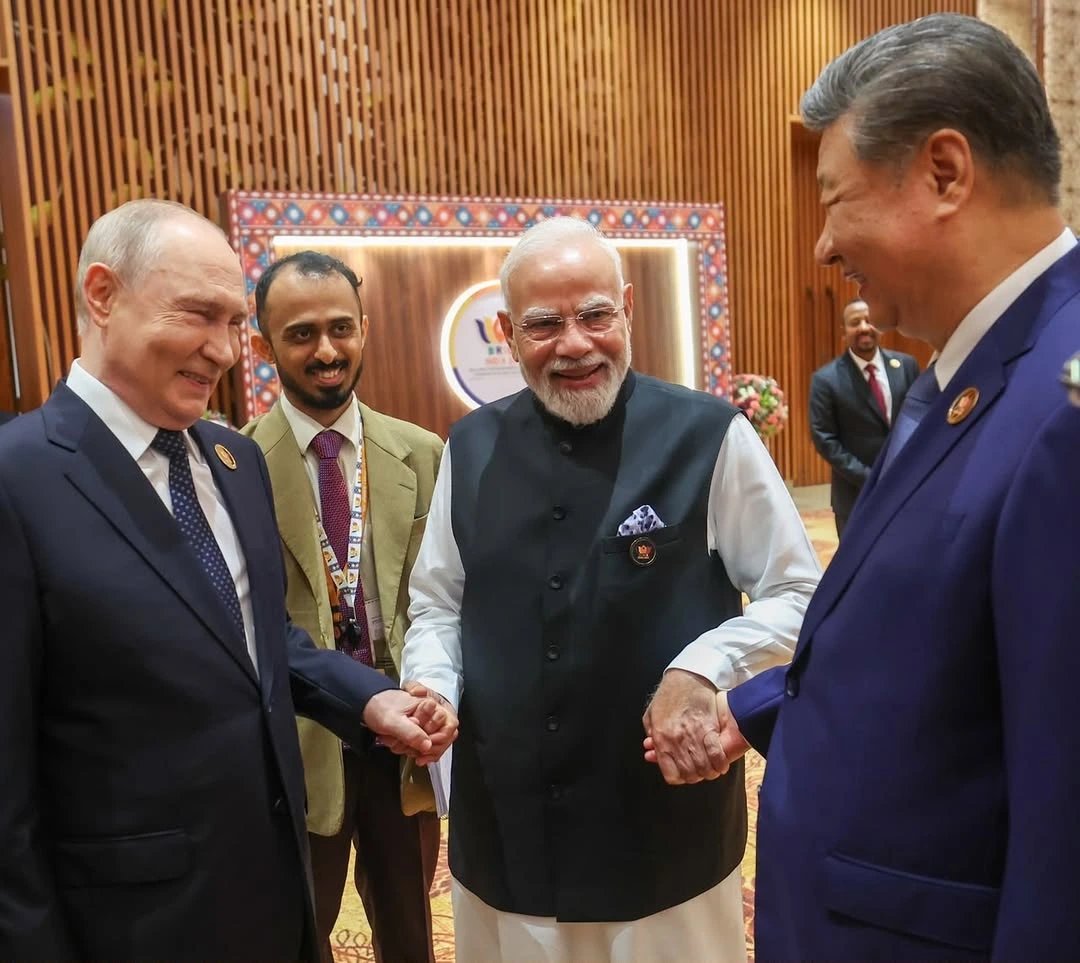
This digest was compiled by AI from multiple sources — links to the originals are below.
The 18th BRICS Summit in New Delhi produced a unanimous joint declaration, overcoming earlier divisions among members. The declaration positions BRICS as a defender of the liberal international order rather than a challenger to it. India secured consensus despite prior disputes between members such as the UAE and Iran.
Key Facts
- The 18th BRICS Summit was hosted by India and concluded with a unanimous joint declaration.
- At the May meeting of BRICS foreign ministers, disagreements between India and other members over condemning Israel and the United States prevented consensus.
- A dispute between the UAE and Iran over the wording of the document scuttled the proposed joint declaration at the May meeting.
- Indian Prime Minister Narendra Modi stated that BRICS members are moving from being 'rule takers' to becoming 'rule makers'.
Summit Consensus
India secured unanimous endorsement of a joint declaration by all BRICS nations at the New Delhi summit. The declaration was achieved after India's Ministry of External Affairs and BRICS sherpas worked to produce a draft acceptable to every member. All sides made significant compromises to reach consensus.
Prior Divisions
At the May meeting of BRICS foreign ministers, India was reluctant to condemn Israel and the United States, while other members sought such condemnation over the Israeli-U.S. attacks on Iran. A separate dispute between the UAE and Iran over the wording of the document ultimately scuttled the proposed joint declaration. The failure highlighted divisions within BRICS and raised questions about its cohesion.
Global Order Stance
The declaration signals that a united BRICS is prepared to engage with and reshape the global order by preserving its liberal foundations. BRICS is positioning itself as a defender of state sovereignty, international law, international norms, and mutual respect among nations. The grouping seeks to ensure that the liberal order is not diminished by double standards and unilateral actions, particularly those of the United States.
1 source
Time · lag behind first