
SEC proposes ending shareholder vote oversight on climate, pay
This digest was compiled by AI from multiple sources — links to the originals are below.
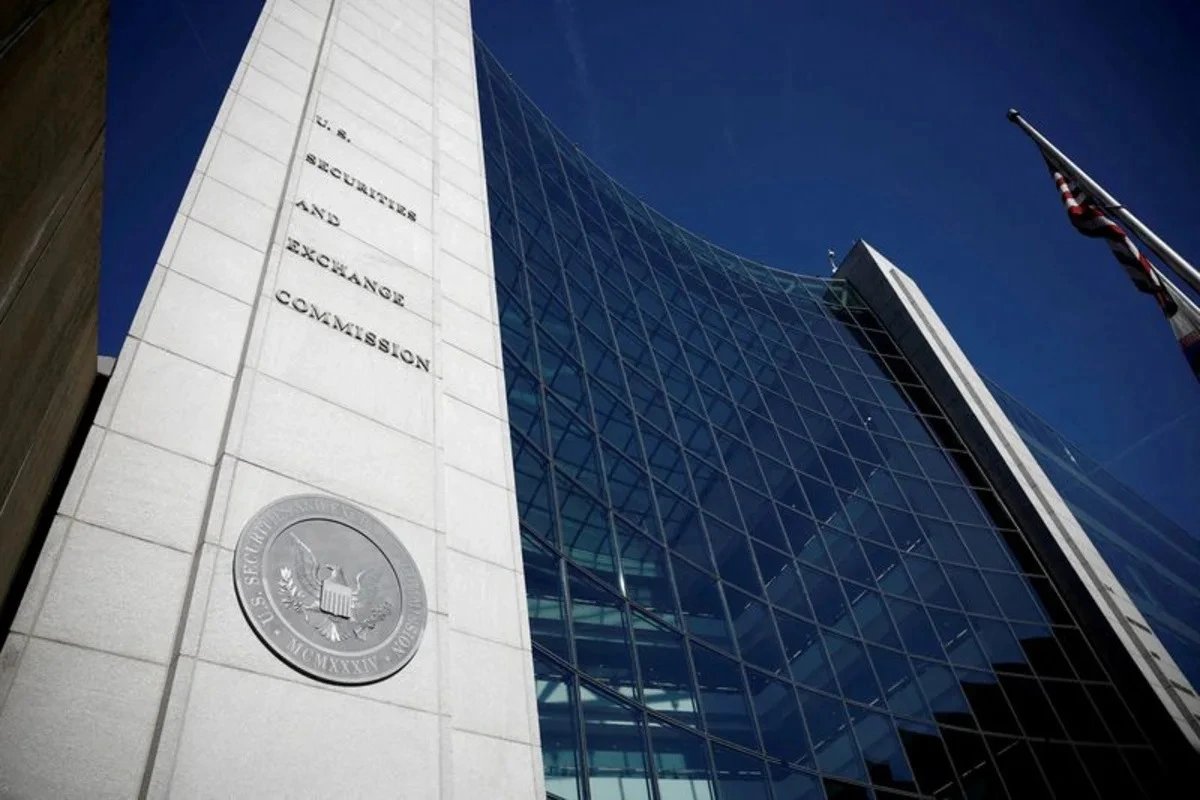
The U.S. Securities and Exchange Commission on Wednesday proposed ending its oversight of corporate shareholder votes on topics like climate change and executive pay. The move, expected since last month, is part of a broader shift of power away from investors to corporate managers. Critics say the proposal would weaken investor influence on environmental and compensation matters.
Key Facts
- The SEC proposed ending oversight of shareholder votes on climate change and executive pay on Sept. 16.
- SEC Chairman Paul Atkins said the agency lacks statutory authority over shareholder voting and that states are best positioned to regulate it.
- New York State Comptroller Thomas DiNapoli said the shareholder proposal process has been a cornerstone of American corporate governance for more than 80 years.
- The proposed changes are subject to a public comment period and further SEC action.
Proposal Details
The SEC proposed ending its oversight of corporate shareholder votes on topics like climate change or executive pay. The move is part of a broader shift of power away from investors to corporate managers by the SEC, which now has three Republican members and two vacant seats previously held by Democrats. The SEC also proposed ending a rule that companies produce glossy annual reports it said duplicate information in their annual Form 10-Ks. The proposed changes are now subject to a public comment period and further SEC action.
Reactions
SEC Chairman Paul Atkins said in a statement the SEC lacks the statutory authority to oversee shareholder voting and that the area is best run by states. Several states, including Texas, have offered companies favorable treatment when they incorporate locally. New York State Comptroller Thomas DiNapoli, who oversees state retirement funds, said the shareholder proposal process has been a cornerstone of American corporate governance for more than 80 years. DiNapoli said the SEC has chosen to allow corporate management to shield themselves from accountability.
1 source
Time · lag behind first