
SEC moves to rescind shareholder proposal rule, shift power to states
This digest was compiled by AI from multiple sources — links to the originals are below.
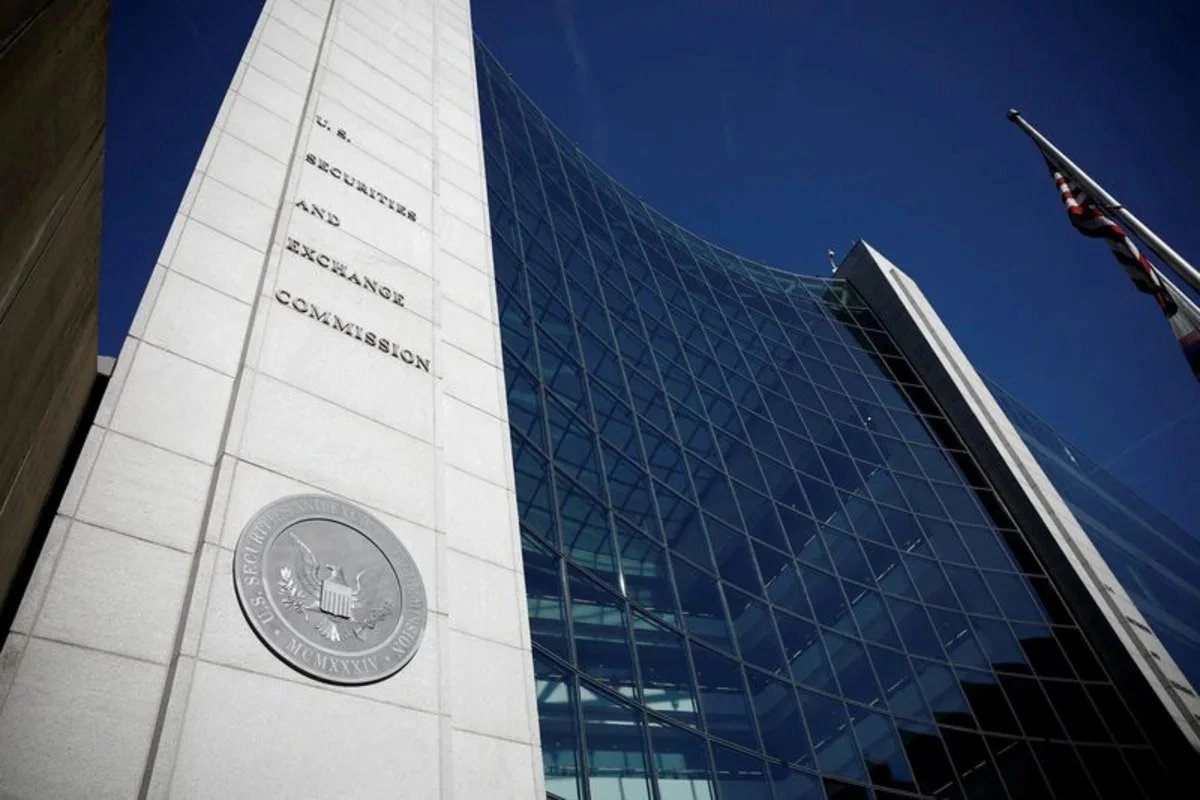
The U.S. Securities and Exchange Commission said Friday it will consider rescinding Rule 14a-8, which governs shareholder proposals at public companies. The move would return regulation of such proposals to individual states, a shift that could reduce activist investor influence. The announcement came alongside a separate SEC notice to modernize the proxy solicitation process.
Key Facts
- The SEC's regulatory notice dated Friday proposes rescinding Rule 14a-8, which sets requirements for shareholder proposals in annual proxy statements.
- SEC Chairman Paul Atkins has said the rule exceeds the Commission's authority and infringes on state laws.
- Under a new Texas law, investors could need up to $1 million in shares to file a resolution, compared with $2,000 under the current SEC requirement.
- The SEC also announced plans to modernize the proxy solicitation process governing shareholder communications.
Proposed Rule Change
The SEC said in a regulatory notice dated Friday that it would consider changes to Rule 14a-8, which establishes requirements for shareholder proposals in public companies' annual proxy statements, including minimum ownership thresholds. A spokesman for SEC Chairman Paul Atkins said Atkins has highlighted concerns that the rule exceeds the Commission's authority and infringes upon state laws. The Commission is expected to consider a proposal to rescind the rule and return the role of regulating shareholder proposals to the states. In a separate regulatory notice, the SEC said it would modernize the proxy solicitation process, which governs shareholder communications.
Investor and State Impact
Tim Smith, senior policy adviser at the Interfaith Center on Corporate Responsibility, said the move would create confusion because regulations are not uniform among states, such as how many shares are needed to bring a matter to a vote. Under a new law in Republican-controlled Texas, investors could need as much as $1 million worth of shares to file a resolution, compared with just $2,000 under a current SEC requirement. Cooley law firm strategist Broc Romanek said the change could lead to more votes against corporate board members as shareholders' options for expressing disapproval narrow. Investor resolutions focused on topics like carbon emissions and executive roles have been the focal point of many corporate annual meetings, though support for them has fallen in recent years.
1 source
Time · lag behind first