
University of Rochester develops solar desalination system without brine
This digest was compiled by AI from multiple sources — links to the originals are below.
Researchers at the University of Rochester have developed a solar thermal desalination system that produces fresh water without generating liquid brine or requiring chemical pre-treatment. The system uses laser-treated black metal panels that absorb sunlight and wick seawater, leaving salts behind in passive regions. The method is described in a paper published in Light: Science & Applications.
Key Facts
- The United Nations estimates that 2.2 billion people lack safely managed drinking water.
- The system uses solar panels made from black metal treated with femtosecond lasers, which create superwicking and light-absorbing surfaces.
- The research was led by Chunlei Guo, a professor of optics and physics at the University of Rochester.
- The method is described in a paper published in Light: Science & Applications.
Solar Thermal Desalination
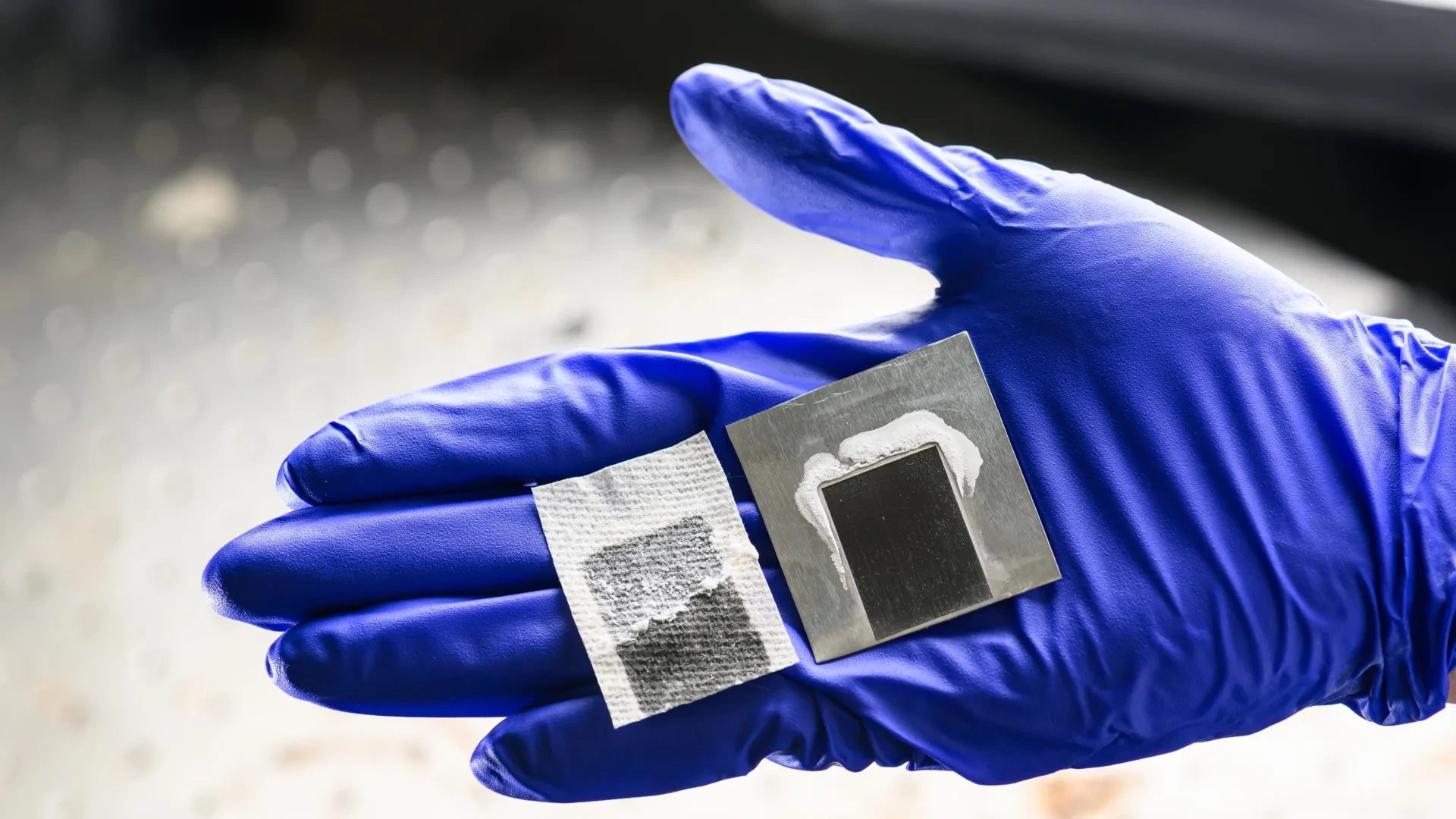
Researchers at the University of Rochester's Institute of Optics created a solar thermal desalination system designed to produce fresh water efficiently without generating liquid brine or requiring chemical additives to pre-treat the incoming water. The system uses solar panels made from black metal that has been treated with femtosecond lasers, which are pulses lasting one quadrillionth of a second. The laser treatment makes the metal extremely effective at absorbing sunlight and gives it superwicking properties, meaning water spreads rapidly across the surface instead of beading up. Each panel contains a laser-treated active region that draws a very thin layer of seawater across its surface, where the dark metal absorbs nearly all incoming solar radiation and heats the water to cause evaporation.
Salt Management
Evaporation leaves salts and other dissolved minerals behind, and the panel directs them toward untreated areas along its sides, known as the passive region. This movement prevents salt buildup, which is one of the biggest challenges facing solar desalination systems because mineral layers can block water movement and stop the system from working. Conventional desalination methods, such as reverse osmosis and thermal distillation, generate a highly concentrated salty waste known as brine that can harm marine organisms when discharged into the ocean.
3 sources
Time · lag behind first