
Kazakh MPs demand lower polypropylene prices for domestic processors
This digest was compiled by AI from multiple sources — links to the originals are below.
Kazakhstan's Majilis deputies from Ak Zhol and Adilet factions have formally requested Prime Minister Olzhas Bektenov to lower polypropylene prices for domestic processors. The request follows KPI's June price increase of 120,000 tenge per tonne, which raised costs for local small and medium-sized businesses. In the first half of 2026, KPI produced 207,000 tonnes of polypropylene, but only about 20,000 tonnes stayed in Kazakhstan while 187,000 tonnes were exported.
Key Facts
- KPI produced 207,000 tonnes of polypropylene in the first half of 2026, of which about 20,000 tonnes (around 10%) remained in Kazakhstan and 187,000 tonnes were exported.
- In June 2026, KPI raised the polypropylene price for domestic entrepreneurs by 120,000 tenge per tonne amid rising world prices.
- Deputies from the Ak Zhol and Adilet factions proposed fixing a unified pricing policy and concluding long-term contracts with domestic processors at economically justified prices.
- The deputies also proposed developing a roadmap for state support of the petrochemical cluster, covering polypropylene and polyethylene production and deep processing.
Parliamentary Request
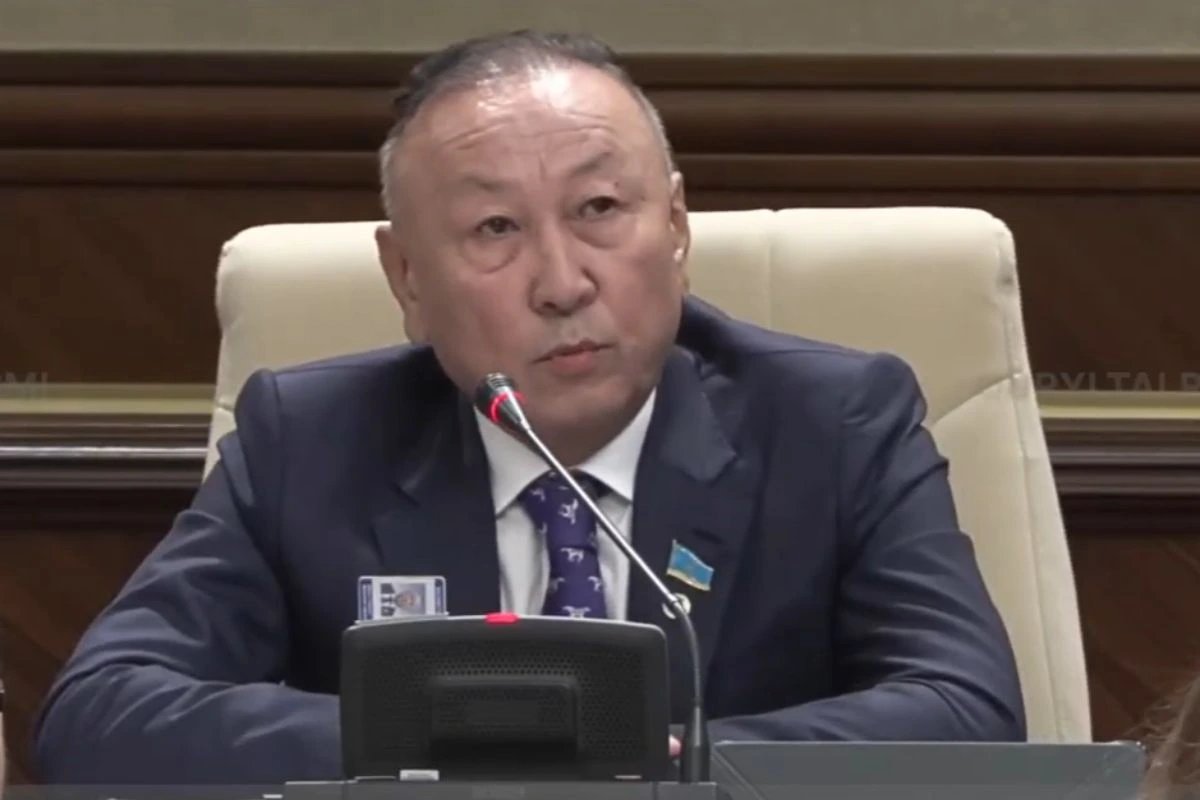
Deputy Yermekkali Yusupov, a member of the Ak Zhol faction, sent an official request to Prime Minister Olzhas Bektenov regarding problems in the petrochemical industry. The request was prompted by the situation at the KPI plant in Atyrau region, which has a design capacity of 500,000 tonnes per year but reached 450,000 tonnes. Yusupov stated that domestic small and medium-sized processors cannot compete with imports due to high prices for domestic raw materials. He argued that national resources should primarily serve the domestic market rather than be exported in pursuit of excess profits.
Proposed Measures
The deputies proposed establishing a unified pricing policy and long-term contracts with domestic processors at economically justified prices. They also suggested extending the mechanism of providing raw materials at affordable prices to the petrochemical sector, similar to the metallurgical industry. A roadmap for state support of the petrochemical cluster with specific import substitution measures was proposed. The deputies called for forming an annual balance of enterprise needs and granting preferences to companies that export finished polypropylene products.
3 sources
Time · lag behind first