
Kazakh competition agency proposes ending manual crude allocation to refineries
This digest was compiled by AI from multiple sources — links to the originals are below.
Kazakhstan's Agency for Protection and Development of Competition proposes replacing monthly manual allocation of crude to refineries with a public formula and competitive auctions. The proposal is part of the draft Competition Development Concept for 2027–2031. A separate gas market reform targets QazaqGaz's 100% wholesale control by Q2 2027.
Key Facts
- The draft Concept for 2027–2031 proposes replacing manual monthly crude allocation to refineries with a public formula, tradable supply obligations, and competitive auctions.
- QazaqGaz subsidiaries control 100% of the wholesale gas market, and the agency plans to approve a roadmap by Q2 2027 to dismantle the single buyer model.
- A 1 percentage point increase in the oil recovery factor could yield an additional 33 million tonnes of oil for Kazakhstan.
- The transition to a new gas market model is planned in stages from 2029 to 2031.
Crude Allocation Reform
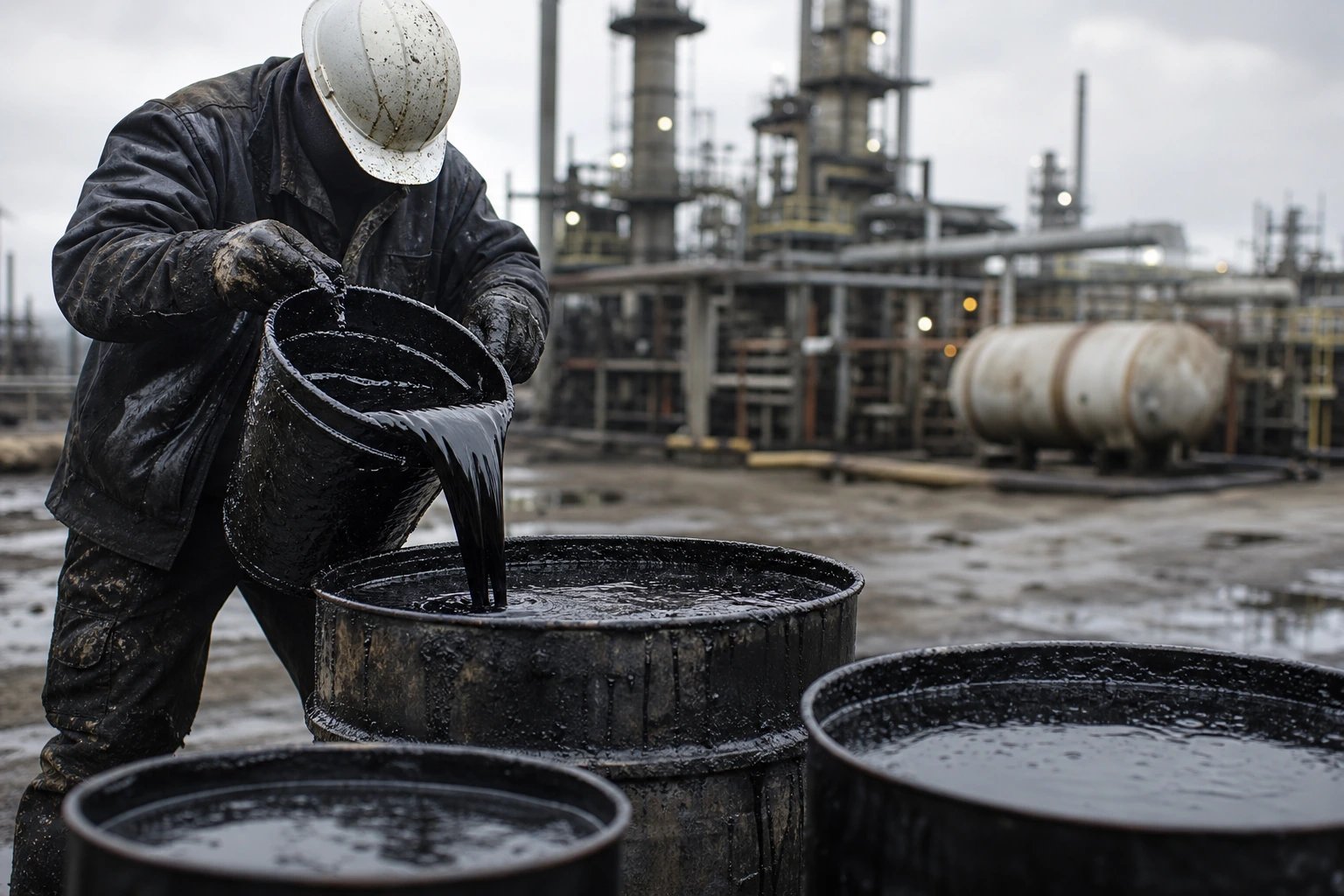
The Agency for Protection and Development of Competition proposes ending the monthly administrative distribution of crude to refineries at reduced prices. Instead, the agency plans to establish a public formula for mandatory domestic supplies. Supply obligations would become tradable, and competitive auctions would be introduced as an additional tool. The proposal is part of the draft Competition Development Concept for 2027–2031.
Gas Market Demopolization
QazaqGaz subsidiaries control 100% of the wholesale gas market, according to the agency. A roadmap to be approved by Q2 2027 will eliminate or transform the single buyer institution. The roadmap also provides for independent access to trunk gas pipelines and underground storage facilities. State price regulation will be phased out, with full transition to the new model planned for 2029–2031.
Oil Recovery Efficiency
The reform of refinery supply creates a need to change approaches to mature oil assets. Intensifying production at depleted fields becomes a key direction. The oil recovery factor measures the share of reserves extracted from a field. A 1 percentage point increase in this factor could add 33 million tonnes of oil for Kazakhstan.
1 source
Time · lag behind first