
RNF213 ubiquitylates aberrant glycogen, preventing polyglucosan buildup in mouse brain
This digest was compiled by AI from multiple sources — links to the originals are below.
Researchers discovered that the E3 ubiquitin ligase RNF213 directly ubiquitylates aberrant glycogen, marking it for autophagy and preventing polyglucosan accumulation in the brain. Mice lacking RNF213 ligase activity accumulate polyglucosan in the cerebellum, pons, and hippocampus. The CBM20 domain of RNF213 restricts ligase activity toward physiological glycogen, ensuring selective quality control.
Key Facts
- Mice lacking RNF213 ligase activity accumulate polyglucosan in the cerebellum, pons, and hippocampus.
- RNF213 selectively ubiquitylates abnormal glycogen in cells engineered to produce polyglucosan.
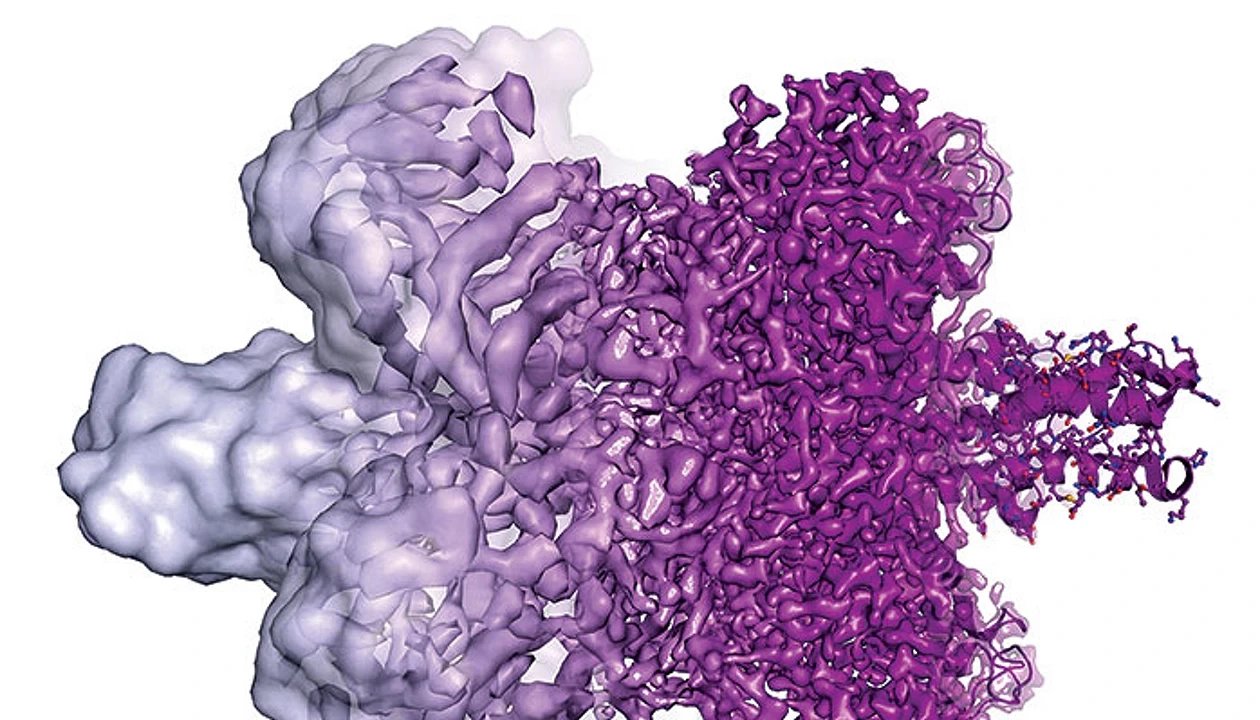
- Cryo-EM analysis of RNF213 bound to maltoheptaose revealed its CBM20 domain binds linear oligosaccharides.
- Disrupting carbohydrate binding results in gain of E3 ligase activity toward physiological glycogen.
- Epistasis analysis places RNF213 upstream of LUBAC, suggesting a hierarchical network of E3 ligases surveying glycogen quality.
Glycogen Quality Control Mechanism
The study identifies autophagy of ubiquitylated aberrant glycogen as a previously unrecognized quality control mechanism safeguarding the brain from polyglucosan buildup. This mechanism depends on the E3 ubiquitin ligase RNF213. RNF213 selectively ubiquitylates abnormal glycogen in cells engineered to produce polyglucosan. Ubiquitylated polyglucosan recruits the autophagy receptors SQSTM1, TAX1BP1, and optineurin, triggering uptake into autophagosomes.
Structural Basis and Regulation
Cryo-EM analysis of RNF213 bound to glycogen-derived maltoheptaose revealed its CBM20 domain binds linear oligosaccharides. Disrupting carbohydrate binding results in gain of E3 ligase activity toward physiological glycogen, indicating the CBM20 domain limits RNF213 activity toward physiological glycogen. Epistasis analysis places RNF213 upstream of LUBAC, suggesting a hierarchical network of multiple E3 ligases surveying glycogen quality.
1 source
Time · lag behind first