
Ancient DNA shows plague killed hunter-gatherers 5,500 years ago
This digest was compiled by AI from multiple sources — links to the originals are below.
An international team found Yersinia pestis DNA in 18 of 46 individuals from 5,500-year-old hunter-gatherer burial sites near Lake Baikal, Siberia. Radiocarbon dating shows many deaths occurred close together, and the high proportion of children and young teenagers buried there had puzzled archaeologists since the 1990s. The findings challenge the view that early plague strains were too mild to cause severe outbreaks.
Key Facts
- Yersinia pestis DNA was found in 18 of 46 individuals tested from four hunter-gatherer burial sites in the Lake Baikal region of East Siberia.
- The burials date to approximately 5,500 years ago, long before farming and urban life created conditions usually associated with plague outbreaks.
- Radiocarbon dating indicates that many of the deaths occurred close together in time, and the two largest cemeteries contained an unusually high number of children and young teenagers.
- Senior author Eske Willerslev of the University of Copenhagen and the University of Cambridge stated that the ancient strains were already highly lethal.
Ancient DNA Analysis
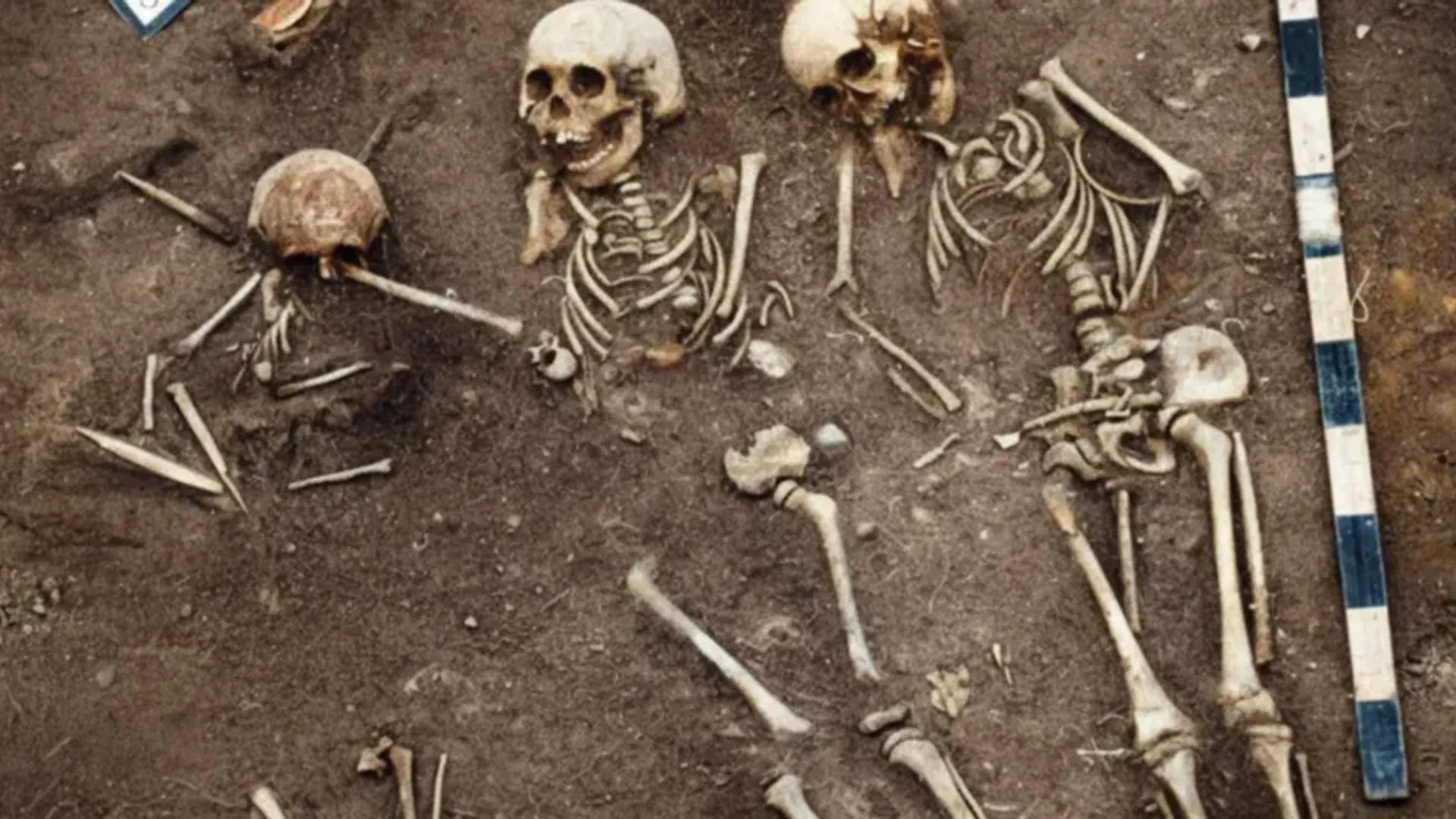
An international research team sequenced genetic material preserved in teeth from human remains at four hunter-gatherer burial sites in the Lake Baikal region of East Siberia. The scientists reconstructed ancient bacterial genomes and identified previously unknown early forms of plague. Yersinia pestis DNA was detected in 18 of the 46 individuals tested, a detection rate of nearly 40 percent. This rate is even higher than that reported at some medieval plague burial sites.
Lethality of Early Strains
Earlier research had shown that ancient Yersinia pestis strains lacked some genetic features that later allowed bubonic plague to spread efficiently through fleas and rodent hosts. Scientists had often assumed that the earliest versions of the bacterium probably could not trigger severe outbreaks. The new findings challenge that view, according to senior author Eske Willerslev, Professor at the University of Copenhagen and the University of Cambridge. Willerslev stated that the ancient strains were already highly lethal.
Archaeological Puzzle Solved
At the two largest cemeteries, researchers found an unusually large number of children and young teenagers among those who had died. Archaeologists had struggled for decades to explain why so many young people were buried there over such a short period. Archaeologist Andrzej Weber of the University of Alberta, Principal Investigator of the Baikal Archaeology Project, said the high number of children and the short timespan had been a real puzzle since the 1990s. Weber described finding out that plague was the cause as extraordinary but making sense.
1 source
Time · lag behind first