
China enacts exit ban rules targeting national security threats
This digest was compiled by AI from multiple sources — links to the originals are below.
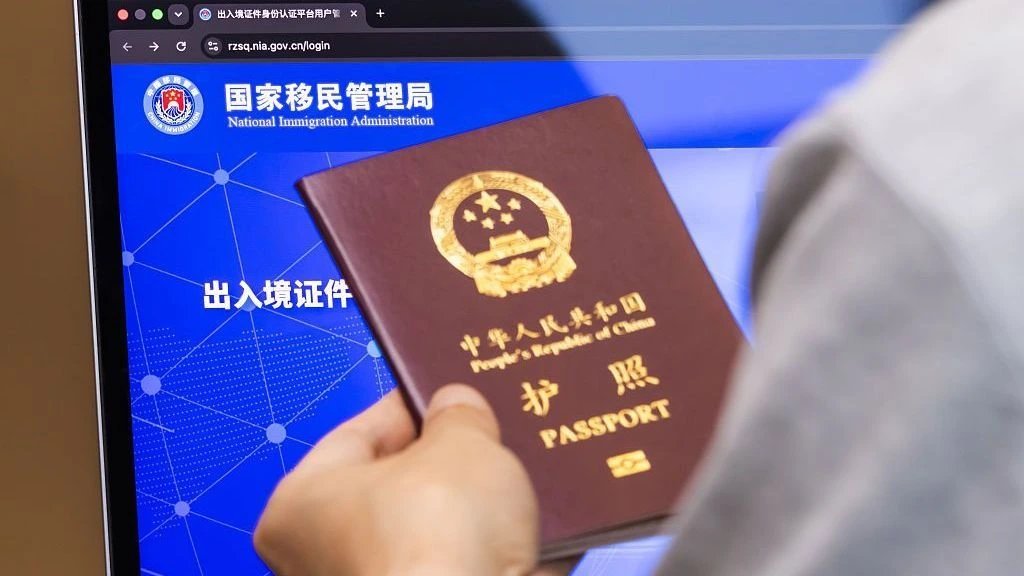
China's new exit and entry regulations took effect, allowing authorities to bar citizens from leaving for up to three years for acts deemed harmful to national security or interests. The rules also permit exit bans for violations of technology import and export regulations. Chinese officials say the measures safeguard sovereignty and do not restrict ordinary citizens.
Key Facts
- The new regulations allow exit bans of up to three years for citizens who harm national security or interests while overseas.
- Violations of technology import and export regulations can also trigger a travel ban.
- Chinese authorities state the rules safeguard national sovereignty and do not restrict ordinary citizens.
- Professor Tom Kellogg of Georgetown University called the rules a tool to control Chinese citizens' activities abroad.
- A 26-year-old Chinese citizen reported his 2023 passport application was rejected, which he believes was linked to his participation in 2019 Hong Kong protests.
New Exit Restrictions
The regulations, which came into effect recently, empower authorities to prohibit citizens from leaving China for up to three years if they are deemed to have harmed national security or interests while abroad. Those who violate technological import and export regulations may also face exit bans. Chinese authorities said the rules are intended to safeguard national sovereignty and security and denied that they restrict the travel of ordinary citizens.
Criticism and Individual Cases
Professor Tom Kellogg, Executive Director of the Center for Asian Law at Georgetown University, described the rules as another tool to control what Chinese citizens do and say overseas. He noted that state security authorities sometimes refuse to issue passports to prevent individuals from criticising the government abroad or to punish rights advocacy. A 26-year-old Chinese citizen, identified only as Pipi, said his passport application was rejected in 2023, which he believes was due to his attendance at pro-democracy protests in Hong Kong in 2019. Pipi said an immigration official told him he could not get a passport because of the Hong Kong issue, but this was not confirmed in writing.
Government Response
Piyao, a Chinese government platform for refuting rumours, stated last week that the new regulations address problems such as people being deceived into leaving the country or engaging in illegal gambling and scams abroad. The statement said the rules do not restrict ordinary citizens but serve as a preventative measure against high-risk destinations and individuals with unusual travel patterns. According to publicly available information, Chinese citizens currently cannot check on their own whether they are subject to exit controls.
1 source
Time · lag behind first