
Russia deploys AI-powered autonomous drone in Zaporizhzhia strike, killing three
This digest was compiled by AI from multiple sources — links to the originals are below.
A Russian drone strike on a gas station in Zaporizhzhia on July 6 killed three civilians, including 18-year-old Tetiana Bubynets. Ukrainian officials identified the drone as the first recorded fully autonomous AI-powered attack drone used by Russia, equipped with an Nvidia minicomputer. The strike highlights the accelerating race between Russia and Ukraine to deploy AI-driven battlefield systems.
Key Facts
- The July 6 drone strike on a Zaporizhzhia gas station killed three civilians, including 18-year-old Tetiana Bubynets.
- Ukrainian officials identified the drone as the first recorded fully autonomous AI-powered attack drone used by Russia, equipped with an Nvidia minicomputer.
- The drone was capable of directing itself to a programmed target type, locking on, and striking without human control.
- Russia and Ukraine are racing to develop reconnaissance-strike architecture, unified battlefield management systems that use AI to compress the kill chain.
The Zaporizhzhia Strike
Tetiana Bubynets, an 18-year-old accounting student, collapsed after a Russian drone exploded at a gas station in Zaporizhzhia on July 6. She was rushed to hospital and pronounced dead shortly after, alongside two other civilians aged 41 and 48. Her lecturer, Tetiana Melikhova of Zaporizhzhia National University, said Bubynets was an only child and that her mother 'lost the meaning of life' after she died.
Autonomous Drone Technology
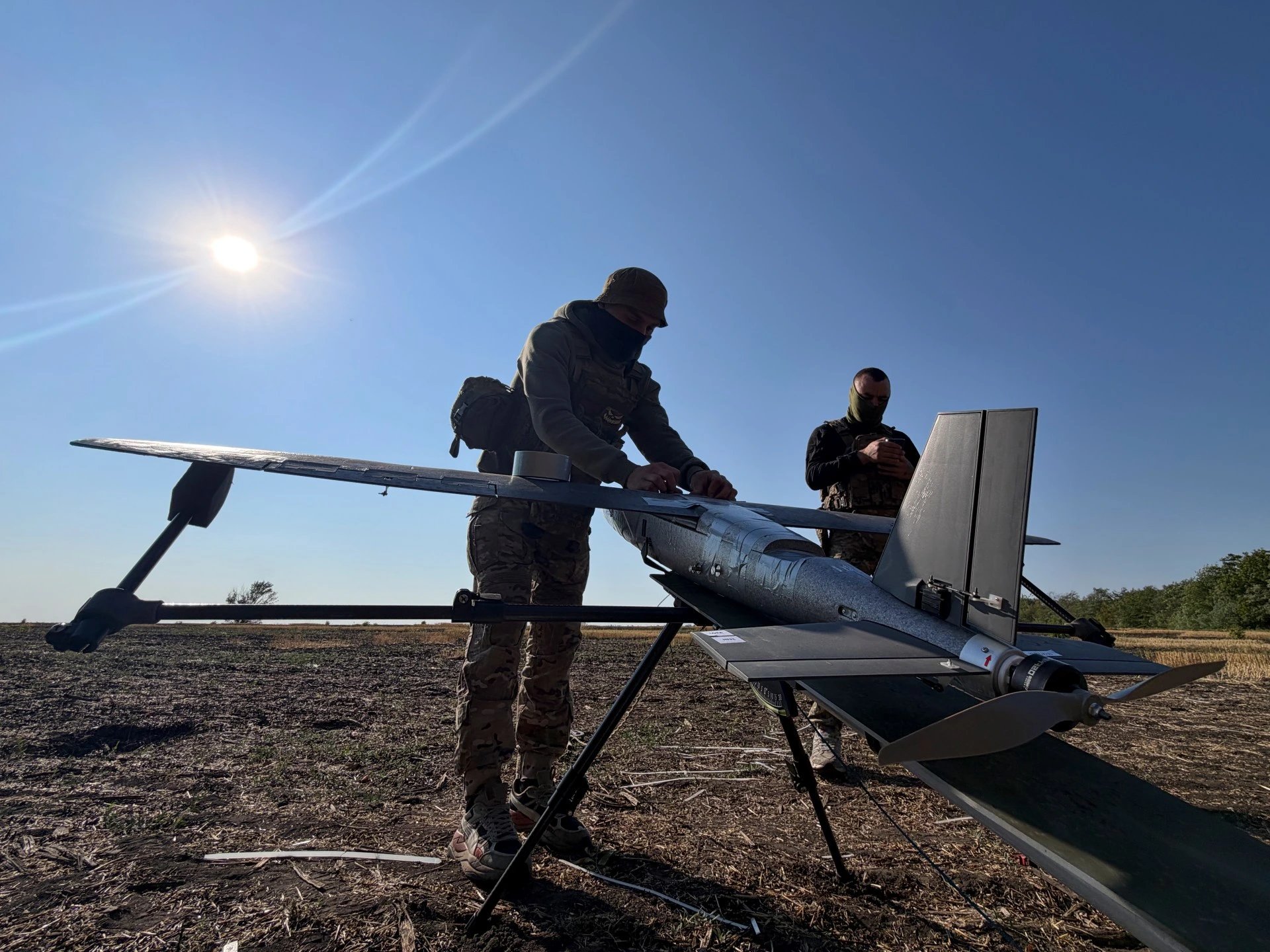
The strike that killed Bubynets was the first recorded case of Russia's use of a fully autonomous attack drone powered by artificial intelligence, according to a New York Times analysis. Ukrainian officials who examined the wreckage found the unmanned vehicle featured an AI-powered minicomputer sold commercially by US technology company Nvidia, in place of an antenna. The drone was capable of directing itself to the type of target it was programmed to spot, likely propane tanks in this case, locking on and proceeding to strike.
Reconnaissance-Strike Architecture
AI-powered drones are the tip of the iceberg as Russia and Ukraine race towards boosting tech infrastructure aimed at coordinating reconnaissance and attack, according to analysts. Marina Miron, researcher at the defence studies department at King's College London, said the drone sees something, communicates to a software complex which maps GPS coordinates on a live battlefield map, and notifies the closest artillery unit. Referred to as reconnaissance-strike architecture, these unified battlefield management systems act like a central command, tracking friendly forces and identifying enemy positions. AI acts as the accelerator, instantly processing massive amounts of data collected through sensors in drones or other military products, including interceptor missiles or artillery units. The tactical advantage is given by the system's ability to compress the kill chain, coordinating and distributing intelligence to military assets to find, track and destroy targets in minutes.
1 source
Time · lag behind first