
Russia's AI and jet drone advances raise North Korea proliferation risk
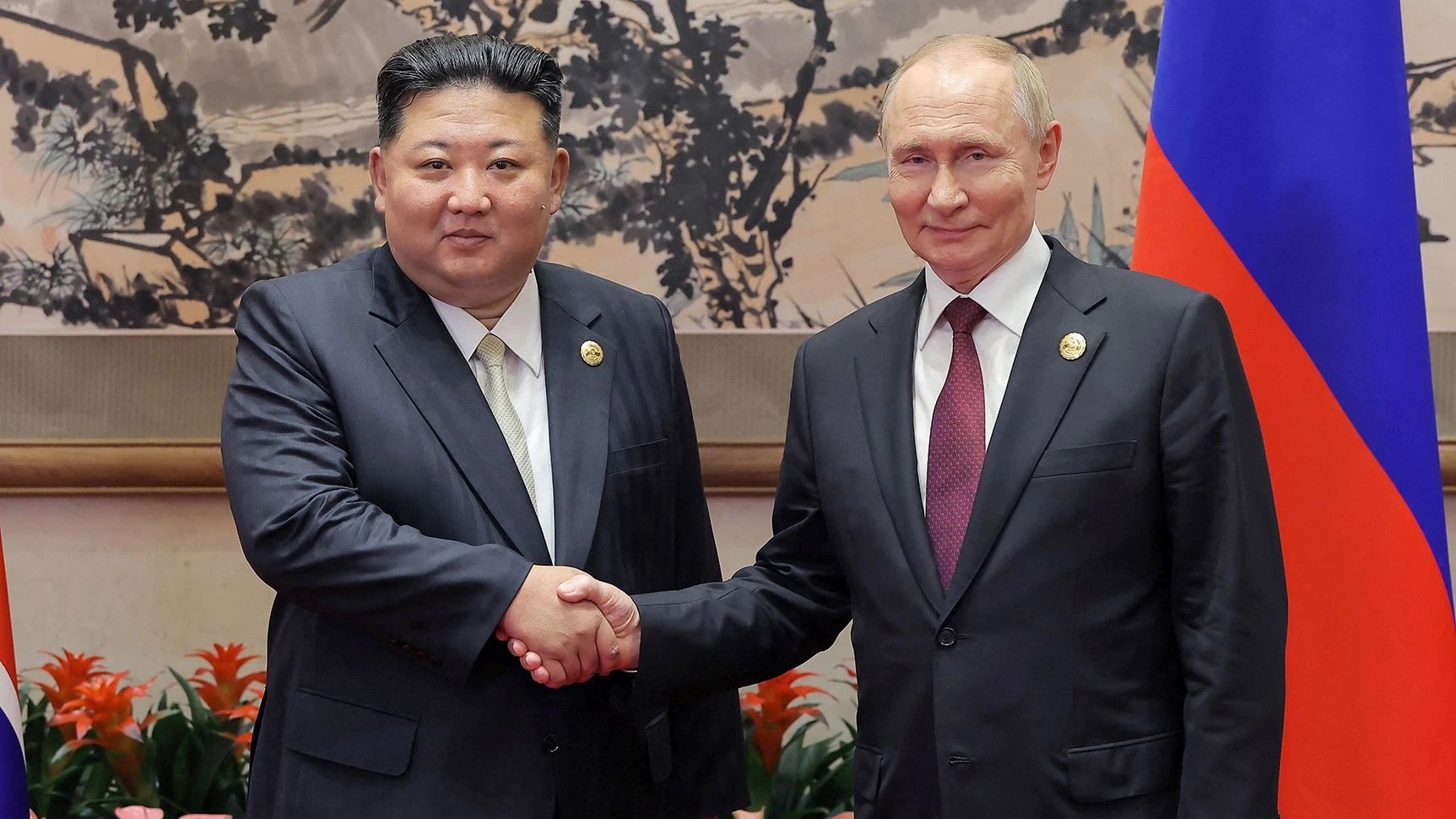
This digest was compiled by AI from multiple sources — links to the originals are below.
Russia's military partnership with North Korea has expanded to include drone technology transfers, raising concerns Pyongyang could gain access to advanced autonomous and jet-powered systems. Moscow has provided drone technology in exchange for North Korean weapons and troops, and is now testing AI-enabled drones that can strike without human confirmation. The developments come as North Korea has supplied Russia with over 15 million artillery shells and an estimated 15,000 troops.
Key Facts
- Russia has transferred drone technology to North Korea as part of their military partnership.
- North Korea has provided Russia with over 15 million artillery shells and an estimated 15,000 troops.
- Russia is experimenting with AI-enabled drones that can make independent strike decisions without human confirmation.
- Russia has begun modifying drones with jet-powered engines, including the Geran-5, whose turbojet engines are believed to have Chinese origins.
- Russia's autonomous AI drones use commercial-grade Nvidia Jetson Orin computers.
Russia–North Korea Drone Cooperation
Since becoming active in the war against Ukraine, North Korea has transferred over 15 million artillery shells and provided Russia with an estimated 15,000 troops. Reports suggest that Moscow agreed to provide drone technology to Pyongyang in exchange for the troop deployment. North Korea's decision to provide Russia with cluster bombs for its suicide drones was likely also a factor. The partnership has allowed Pyongyang to rapidly advance its drone development program. Prior to the Ukraine war, North Korea only possessed outdated reconnaissance drone technology despite development efforts dating back to the early 2010s.
AI-Enabled Autonomous Drones
Russia's experimentation with autonomously controlled AI-enabled drones is one of the most consequential developments in the war. Earlier iterations required a human operator to confirm targets, with AI used primarily to counter radio-jamming and ensure the drone reached its destination. In recent months, Russia has begun allowing onboard AI systems to make independent strike decisions. This shift toward autonomous targeting represents a significant technological leap and raises concerns that North Korea could eventually gain access to these more advanced capabilities. Russia has equipped its autonomous AI drones with commercial-grade Nvidia Jetson Orin computers designed to create AI-enabled devices.
Jet-Powered Drone Development
Russia has begun modifying drones with jet-powered engines, which are more expensive than propeller-powered models but more difficult to shoot down. The Geran-5, a Russian version of the Shahed drone, has a China connection: its 200 kilogram-thrust turbojet engines are believed to have Chinese origins. Russia is training the drone AI to identify specific targets such as gas stations.
1 source
Time · lag behind first