
Tokayev's Security Council overhaul creates new power center
This digest was compiled by AI from multiple sources — links to the originals are below.
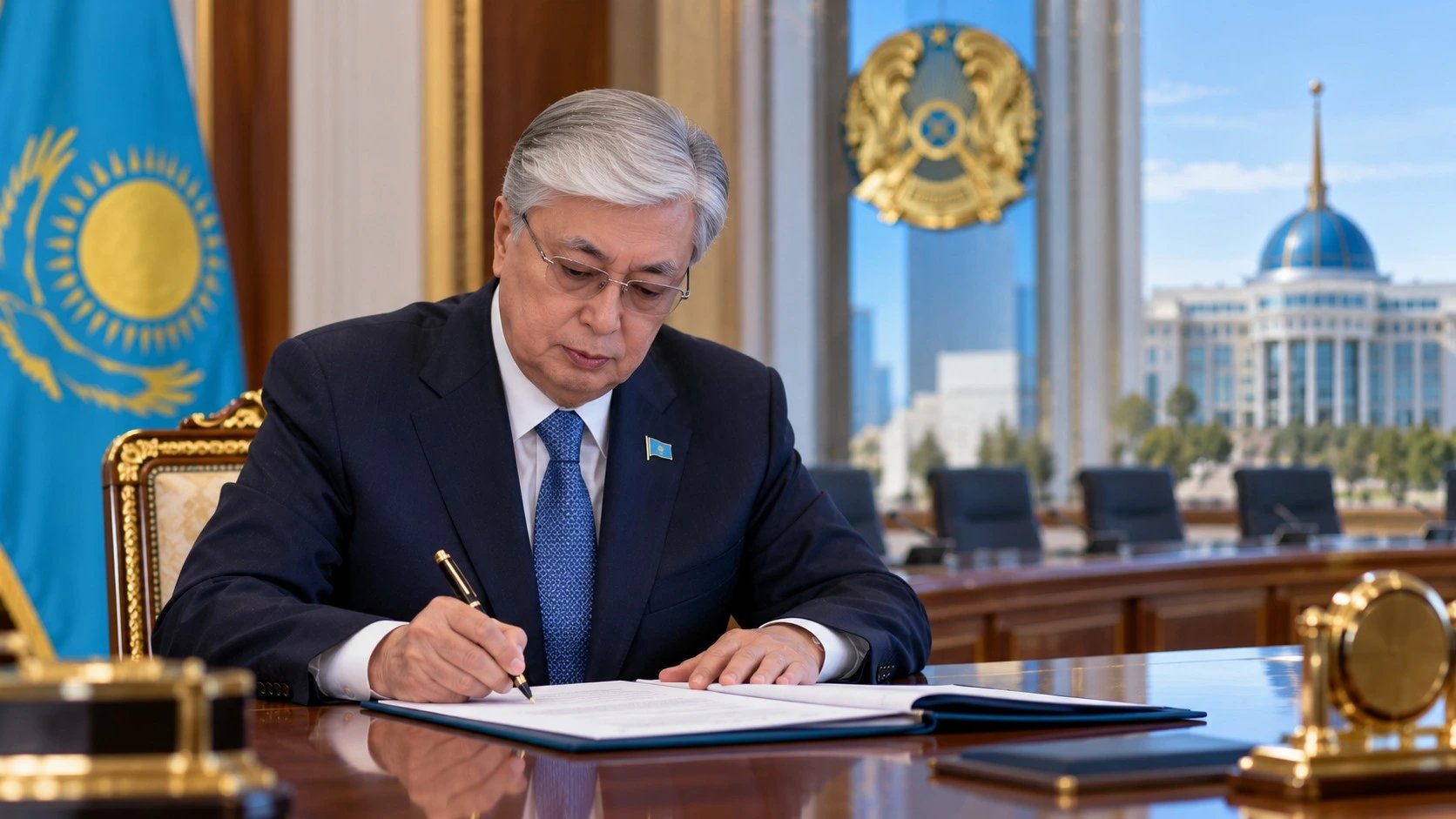
President Kassym-Jomart Tokayev has issued two decrees that restructure Kazakhstan's Security Council into a powerful new institution. The changes give Vice President Yerlan Karin and Deputy Chair Aida Balayeva broad authority over national security, defense, and law enforcement. The overhaul follows the January 2022 unrest and marks a shift toward a centralized presidential system.
Key Facts
- President Tokayev issued two decrees within two weeks that restructure the Security Council into a powerful state center.
- Vice President Yerlan Karin became a member of the Security Council by virtue of his position.
- Deputy Chair Aida Balayeva will coordinate state bodies in national security, defense, law and order, and oversee information and cybersecurity.
- The Security Council apparatus is directly subordinate and accountable to the head of state.
- The previous Security Council structure, established by decree No. 838 of February 12, 2019, was centered on the secretary of the Security Council.
New Power Structure
Two presidential decrees issued within two weeks transform the Security Council into one of the most influential state centers in Kazakhstan. The new role extends far beyond the traditional scope of the Security Council, which previously dealt with the army, special services, and defense issues. Vice President Yerlan Karin joined the Security Council by virtue of his position, while Deputy Chair Aida Balayeva received broad coordinating authority over state bodies in national security, defense, law and order. Balayeva also oversees information and cybersecurity, personal data protection, anti-corruption efforts, economic crime, civil protection, and international cooperation. The Security Council apparatus is directly subordinate and accountable to the head of state, consolidating control under the president.
Historical Context
The previous Security Council regulation, approved by decree No. 838 on February 12, 2019, was built around the central figure of the Security Council secretary. The position was held by politicians of varying influence, including Tulegen Zhukeyev, Baltash Turgumbayev, and Altynbek Sarsenbayev. The secretary's formal functions were limited to organizing meetings, coordination, and preparing analytical materials for the president, much of which was classified. After March 2019, Nursultan Nazarbayev retained the chairmanship of the Security Council while Tokayev became president, creating a dual-power structure. The January 2022 events exposed the weakness of this arrangement, as the Security Council failed to prevent systemic threats.
2 sources
Time · lag behind first