
First stars likely ignited 100–250 million years after Big Bang, then died young
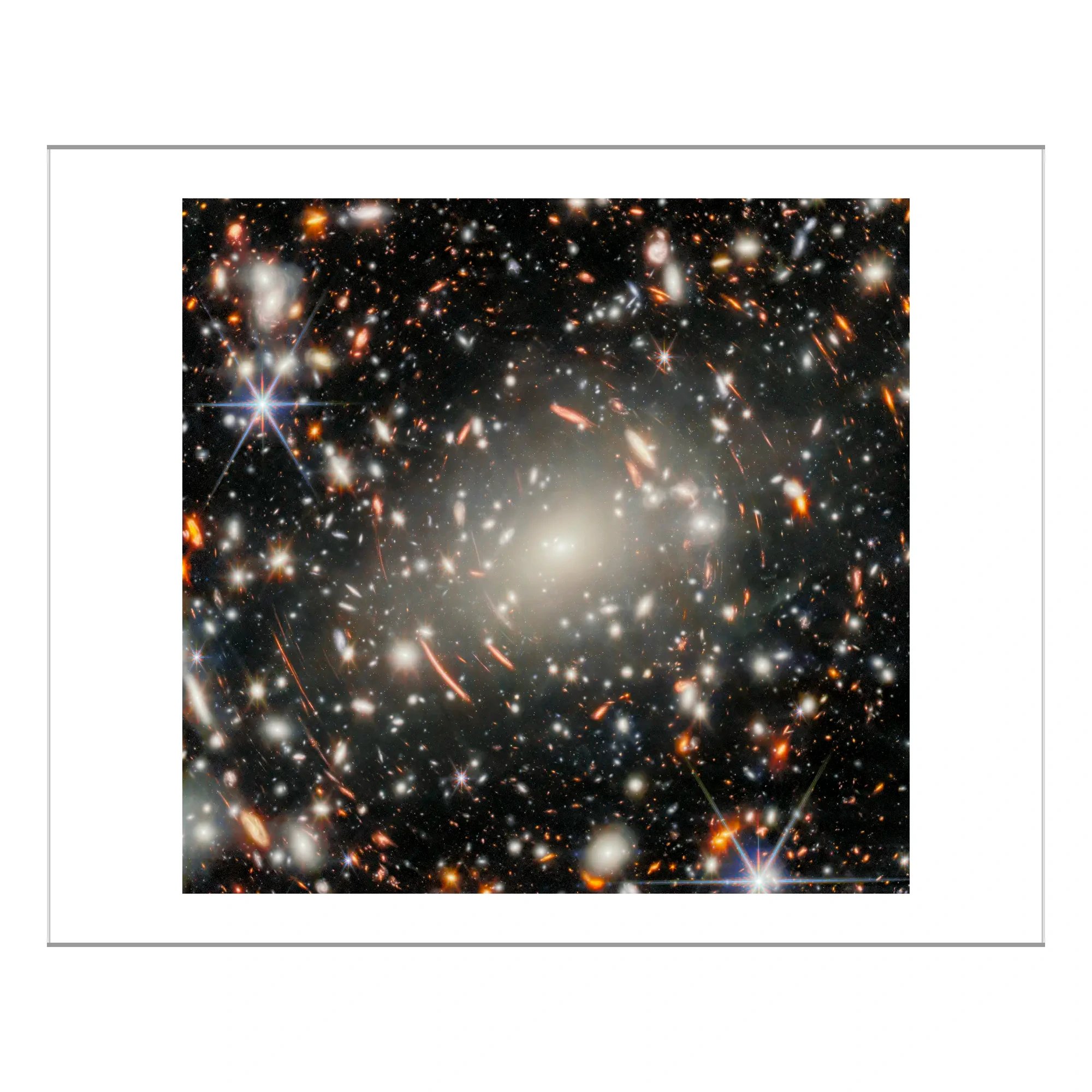
This digest was compiled by AI from multiple sources — links to the originals are below.
The universe's first stars, known as Population III, likely formed between 100 and 250 million years after the Big Bang and died within a few million years. No individual member of this first generation has been conclusively identified, and the timing remains a model-based estimate rather than an observed timestamp.
Key Facts
- Population III stars formed from nearly pristine hydrogen and helium before heavier elements existed.
- NASA states the first stars may have formed as early as 100 million years after the Big Bang.
- Observations of galaxy MACS1149-JD1 suggest substantial star formation by about 250 million years after the Big Bang.
- A 2023 review by Ralf Klessen and Simon Glover describes simulations where discs fragment into multiple protostars.
Population III Stars
Population III stars are hypothetical objects born from essentially pristine hydrogen and helium, before previous stars enriched their surroundings with heavier elements. Carbon, oxygen, silicon, and iron were not present in meaningful quantities after the Big Bang and had to be forged inside stars. No individual member of this first generation has been conclusively identified.
Formation Window
The often quoted interval of 100 to 250 million years after the Big Bang is a useful model-based bracket, not an observed timestamp. NASA says the first stars may have formed as early as 100 million years after the Big Bang. A 2018 Nature analysis of MACS1149-JD1 found oxygen and stellar populations implying star formation at about 250 million years after the Big Bang. That galaxy was not the first stellar nursery, and its inferred history did not reveal the universe's first individual star.
Simulation Complexity
A major 2023 review of first-star formation by Ralf Klessen and Simon Glover describes a field in which increasingly detailed simulations have replaced the simplest one-halo, one-star picture. Discs can fragment into several protostars, and those objects can merge, eject one another, or keep accreting. Feedback from one growing star changes what its neighbours can become.
1 source
Time · lag behind first