
Buganda kingdom operates within Uganda with own parliament, 12 million people
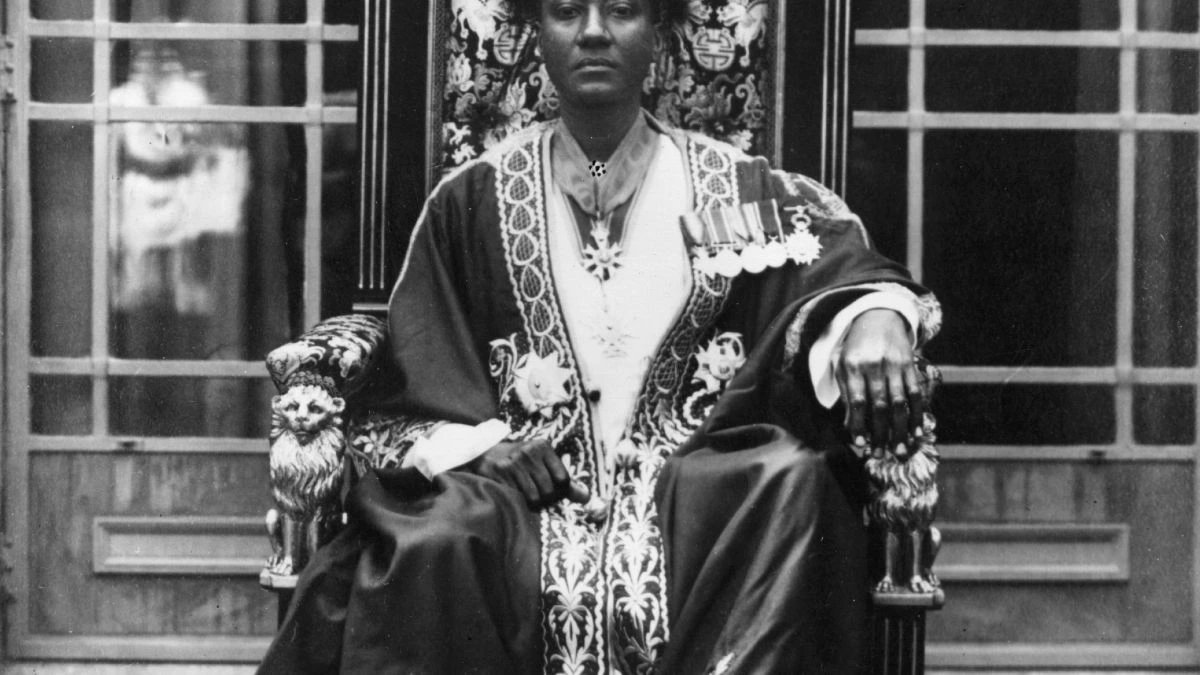
This digest was compiled by AI from multiple sources — links to the originals are below.
The Buganda Kingdom, a centuries-old monarchy, exists within the modern Ugandan state with its own traditional institutions, including a parliament and prime minister. Uganda's constitution bars traditional leaders from exercising state powers. The kingdom claims a territory of about 61,000 square kilometres and a population of roughly 12 million people.
Key Facts
- Buganda claims a traditional territory of about 61,000 square kilometres and a population of roughly 12 million people.
- The kingdom's own history dates its establishment to the late 14th century, while oral traditions trace its origins to the 13th century and the figure of Katu Kintu.
- Under Uganda's constitution, traditional and cultural leaders cannot exercise administrative, legislative or executive powers of the state.
- Buganda's minister of information Owek Israel Kazibwe Kitooke said Kabaka Chwa I formed an alliance of five clans in the early 14th century: Ffumbe, Lugave, Nnonge, Njaza and Nnyonyi.
Kingdom Institutions
The Buganda Kingdom is headed by a king, known as the Kabaka, and has its own traditional institutions, including the Great Lukiiko, which the kingdom describes as its parliament, and an administration headed by the Katikkiro, or prime minister. These are institutions of the kingdom, rather than of Uganda's national government. Under Uganda's constitution, traditional and cultural leaders cannot exercise the administrative, legislative or executive powers of the state.
Historical Origins
Buganda's oral traditions attribute the earliest unification efforts to Kabaka Katu Kintu, but historian Semakula Kiwanuka said Kintu's historical existence remains unverified, as the name is also shared by a figure in Buganda folklore. Official kingdom accounts offer another version: Owek Israel Kazibwe Kitooke, Buganda's minister of information and official spokesperson, said Kabaka Chwa I formed an alliance of five clans in the early 14th century: the Ffumbe, Lugave, Nnonge, Njaza and Nnyonyi. As the kingdom expanded, six additional clans joined. According to Kitooke, Kabaka Chwa brought the constituent groups together through a council of clan leaders who served as royal advisers, and the principles established through that system later evolved into the kingdom's constitution.
1 source
Time · lag behind first