
Hutu-Tutsi divide persists in Great Lakes region, fueling conflict in eastern DRC
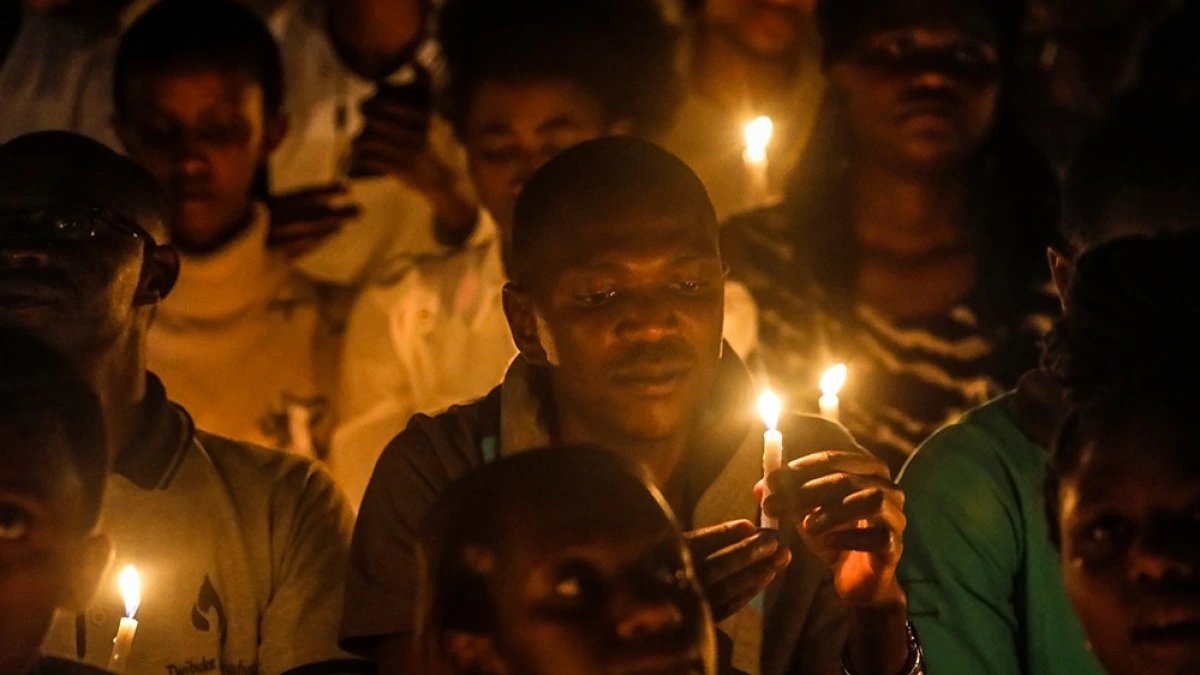
This digest was compiled by AI from multiple sources — links to the originals are below.
The Hutu-Tutsi divide in Africa's Great Lakes region, shaped by colonial rule and political struggles, continues to fuel conflict in eastern Democratic Republic of the Congo. The 1994 Rwandan genocide and Burundi's civil war entrenched ethnic identities that remain tied to questions of citizenship and belonging.
Key Facts
- Between 800,000 and one million people were killed during the 1994 Rwandan genocide, according to the UN International Criminal Tribunal for Rwanda.
- Burundi's first democratically elected president, Melchior Ndadaye, was killed in October 1993 during a military coup attempt.
- About two million Rwandans fled the country after the Rwandan Patriotic Front took control in 1994, with more than one million refugees in Zaire by the end of that year.
- The Rwandan genocide ended in July 1994 when the Rwandan Patriotic Front defeated the government and took control of the country.
Colonial Roots of Division
Hutu and Tutsi identities existed before European colonial rule but did not always carry the rigid meaning they acquired later. Colonial rule in Rwanda and Burundi changed how these groups were classified and understood, helping turn social distinctions into fixed ethnic categories. Those identities were later drawn into struggles over political power, land, and belonging.
Rwandan Genocide and Aftermath
On April 6, 1994, a rocket attack brought down a plane carrying Rwandan President Juvenal Habyarimana and Burundian President Cyprien Ntaryamira as it approached Kigali, killing both presidents. The following day, killings began across Rwanda, culminating in the genocide against the Tutsi. Hutu ethnonationalist leaders, government forces, and militias including the Interahamwe were among those responsible for the massacres. When the Rwandan Patriotic Front took control of Rwanda in 1994, about two million Rwandans fled the country. Among those who crossed the border into Zaire were members of the former Rwandan army and the Interahamwe militia.
Burundi's Civil War and Regional Impact
Burundi experienced cycles of political violence involving Hutu and Tutsi since independence. The crisis deepened in October 1993 when President Melchior Ndadaye, a Hutu and Burundi's first democratically elected president, was killed during a military coup attempt. Tens of thousands of people were killed and large numbers were forced to flee their homes, according to a United Nations fact-finding mission. Burundi subsequently descended into a civil war that lasted more than a decade.
1 source
Time · lag behind first