
Houthi strikes on Saudi Arabia signal US amid Red Sea escalation
This digest was compiled by AI from multiple sources — links to the originals are below.
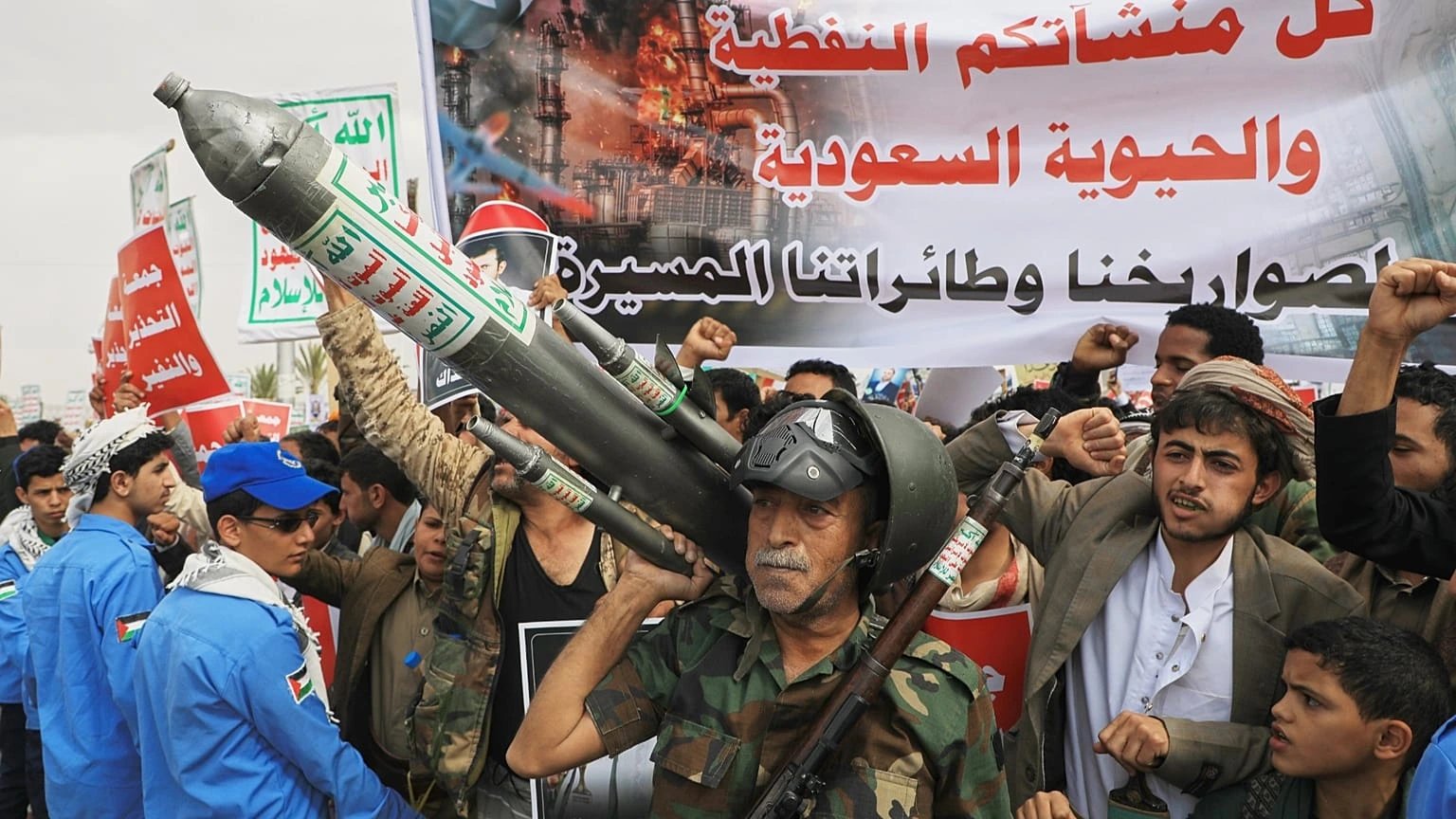
Houthi attacks on Saudi Arabia serve as a signal to the United States, according to political analyst Shavkat Ikromov. Saudi Arabia has sufficient capacity to defend itself and is avoiding a full-scale war with the Houthis. Pakistan has urged Iran to restrain the Houthis and prevent missile strikes on Saudi territory.
Key Facts
- Saudi Arabia has sufficient capacity to defend itself against Houthi attacks, according to political analyst Shavkat Ikromov.
- Pakistan has urged Iran to restrain the Houthis and prevent missile strikes on Saudi Arabia, warning of a direct confrontation risk.
- A new front in the Red Sea could threaten Gulf Arab states relying on the US security umbrella and disrupt global energy markets.
Saudi Defense Posture
Saudi Arabia currently faces no direct threat from any state and has sufficient capacity to counter the Houthis and defend its territory, according to political analyst Shavkat Ikromov. Riyadh is refraining from re-entering an active war because a large-scale conflict with the Houthis is not in its interest. Saudi Arabia does not want to lose access to the Red Sea, Bab al-Mandab, and Yanbu routes it currently uses. Riyadh also categorically rejects the arrival of Turkish or Pakistani troops on its territory and denies any such plans.
Pakistan-Iran Mediation
According to information from senior Pakistani military officials, Pakistan has called on Iran not to cooperate with the Houthis and to restrain them. Pakistan warned that Iran must negotiate with the Houthis to prevent missile strikes on Saudi Arabia, otherwise there is a risk of direct confrontation with Saudi Arabia. The alliance is not completely inactive; it is taking certain measures and has issued a clear response, attempting to shift responsibility onto Iran.
Regional Escalation Risks
If a large-scale war begins in this region and a new front opens, it could fully align with Iran's interests. A front already exists in Hormuz, where war is ongoing, and a separate front in the Red Sea would put Gulf Arab states under serious pressure and blockade risk. Such a situation could affect the global energy market and a large part of global trade. Changes in Yemen could also affect processes in Hormuz, and strategically the interests of the Houthis, Yemen, and Iran appear to be converging.
1 source
Time · lag behind first