
Water drove volcanic activity 3 billion years ago, study finds
This digest was compiled by AI from multiple sources — links to the originals are below.
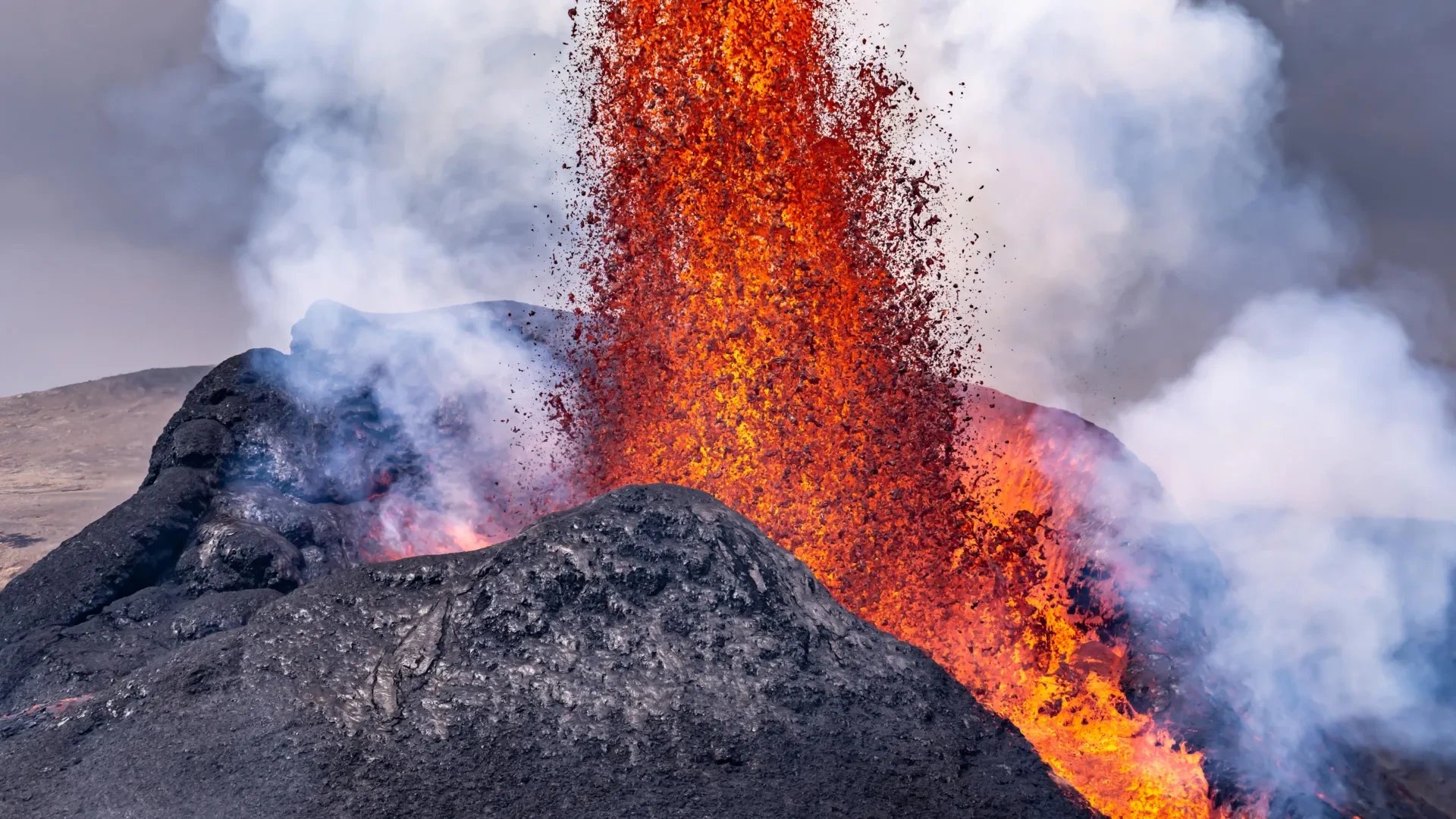
Geologists found evidence that water influenced volcanic activity more than three billion years ago. The discovery comes from ancient rocks in Western Australia's Pilbara Craton. The findings suggest Earth recycled water between its surface and interior far earlier than previously thought.
Key Facts
- The study examined rocks from Western Australia's Pilbara Craton that formed more than three billion years ago.
- The research was led by Dr. Eric Vandenburg from Adelaide University.
- The findings were published in Nature Communications.
- The researchers propose a process called 'dripduction' to explain how water reached the mantle before modern plate tectonics.
Ancient Rocks Reveal Early Water Recycling
The international team, led by Adelaide University geochemist Dr. Eric Vandenburg, examined ancient rocks from Western Australia's Pilbara Craton. Their analysis suggests that water had traveled far beneath the surface before contributing to the formation of magma that fed volcanoes resembling those found around the Pacific 'Ring of Fire' today. Published in Nature Communications, the findings indicate that Earth may have been recycling water between its surface and interior much earlier than scientists had realized. Dr. Vandenburg said the ancient rocks offer an unusual opportunity to investigate conditions on Earth billions of years ago.
Dripduction: A Pre-Plate Tectonics Mechanism
The researchers suggest that another geological mechanism may have moved water into the mantle before modern plate tectonics became established. They call the process 'dripduction,' in which dense, water-rich portions of Earth's cooler outer crust periodically sagged downward and collapsed into the hotter mantle, transporting water with them. As those sections of crust descended, they released their water into the mantle, which then helped generate magma that eventually rose, erupted through volcanoes, and cooled into rocks that have survived for billions of years. Dr. Vandenburg noted that while Earth wasn't operating exactly as it does now, some key processes were already in place.
Implications for Early Earth
The discovery addresses a major question in geology: how early did materials begin moving between Earth's surface and its deep interior. Pinpointing when water first started traveling deep underground matters because this recycling process affects volcanic activity, the growth of continents, and the movement of ingredients that are important for life.
2 sources
Time · lag behind first