
Germany weighs Baltic Sea action against Russia's shadow fleet
This digest was compiled by AI from multiple sources — links to the originals are below.
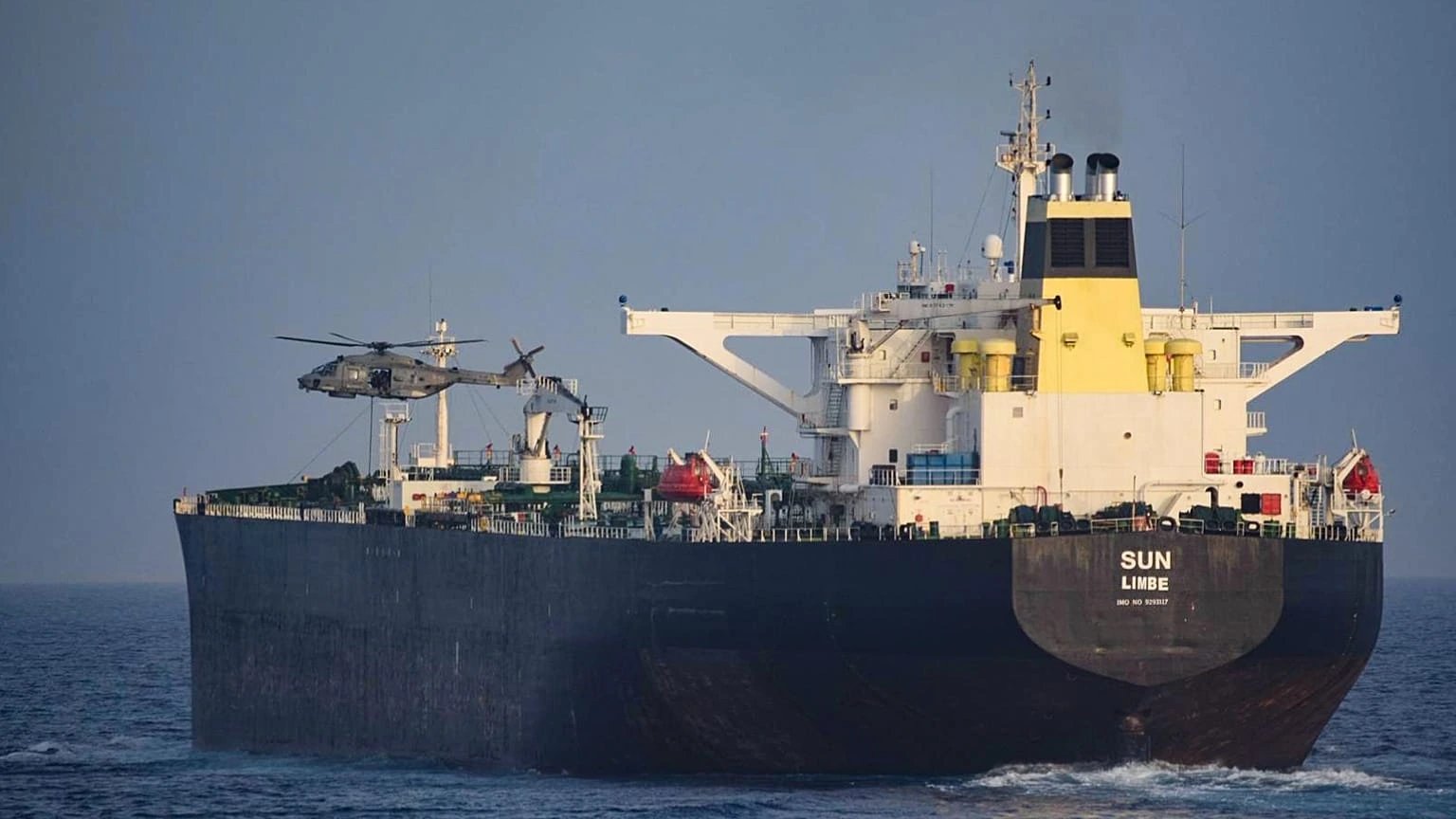
Germany is considering tougher measures against Russia's shadow fleet after accusing Moscow of a failed drone attack on Leipzig airport on September 1. Security experts and Green Party lawmaker Sara Nanni argue Berlin has done too little to counter vessels used to evade sanctions and fund the war in Ukraine. Finland, Britain, France and Sweden have already taken stricter action against suspect ships.
Key Facts
- Germany publicly accused Russia on September 1 of a failed drone attack on Leipzig airport.
- Finland detained the tanker Eagle S in late 2024 after it dragged its anchor and damaged the Estlink 2 power cable in the Gulf of Finland.
- Sweden's coast guard stops and inspects tankers and cargo ships in its territorial waters suspected of belonging to the shadow fleet.
- Green Party security expert Sara Nanni said Germany has not taken action in the Baltic Sea while other countries have.
Shadow Fleet Threat
Russia uses old, poorly maintained and underinsured vessels with unclear ownership, mostly oil tankers, to evade sanctions. Maritime security expert Julian Pawlak of the Berlin-based SWP foundation told DW that arresting such ships is difficult because international maritime law protects freedom of navigation. Pawlak said part of the shadow fleet is linked to hybrid activities such as sabotage, espionage and possible drone strikes.
Calls for Action
Green Party lawmaker Sara Nanni accused the German government of inaction, saying Russians finance their war against Ukraine through the shadow fleet. Nanni said other countries act in the Baltic Sea while Germany does not, and that the interior minister calls such measures technically or legally difficult. She argued that not acting is a political decision and that it is wrong.
Regional Enforcement
Finland detained the Eagle S tanker in late 2024 after it damaged the Estlink 2 cable, and security expert Sönke Marahrens of Kiel University praised the Finnish approach as sending a clear signal. Britain, France and Sweden are currently taking strict measures against suspicious vessels. Sweden's coast guard detains ships that use fake documents, are underinsured, threaten maritime safety or violate environmental law.
1 source
Time · lag behind first