
Kazakhstan unveils satellite expansion and Baikonur control push at Space Days
This digest was compiled by AI from multiple sources — links to the originals are below.
Kazakhstan presented new satellite projects and international cooperation plans at Space Days Kazakhstan on September 7–9 in Astana and Baikonur. The country aims to assemble a nine-satellite Earth-observation constellation by 2030, with six Kazakh-built spacecraft. The push comes as Kazakhstan takes greater control of Baikonur infrastructure, including the Baiterek launch complex used by Russia's Soyuz-5 rocket.
Key Facts
- Space Days Kazakhstan took place on September 7–9 in Astana and Baikonur, featuring new satellite projects and international cooperation plans.
- Kazakhstan plans to assemble an international constellation of nine Earth-observation satellites by 2030, six of them Kazakh.
- The Soyuz-5 rocket lifted off from Baikonur on April 30, 2026, carrying a dummy payload on its first test flight.
- Russia leases Baikonur through 2050 for $115 million a year and continues to use it for human spaceflight missions.
- KazSat-3, Kazakhstan's national communications satellite, has a planned operating life ending in late 2029, with KazSat-3R being developed as its replacement.
Baikonur Control Shift
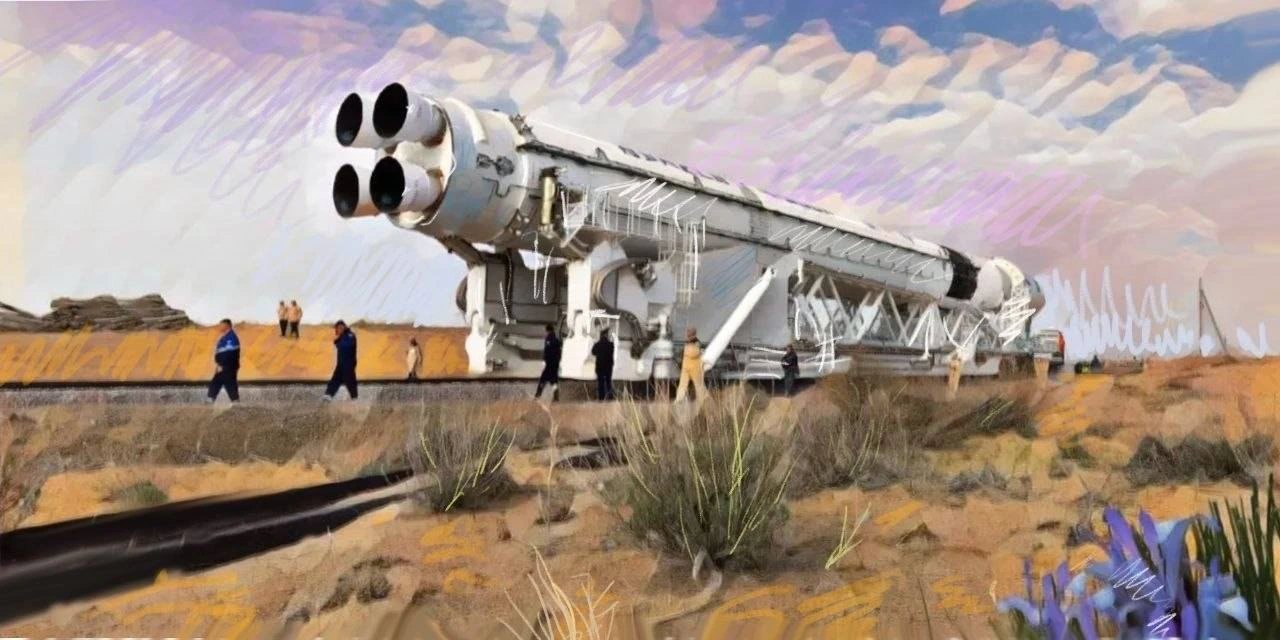
Kazakhstan now operates the launch pad and ground infrastructure used by the Baiterek project, a joint venture with Russia dating back to 2004. The Baiterek complex was originally intended for the Angara rocket, then Zenit, and finally Soyuz-5, known in Kazakhstan as Sunkar. After launch targets in 2023, 2024, and 2025 slipped, Soyuz-5 finally lifted off from Baikonur on April 30, 2026. Russia still builds the Soyuz-5 rocket, reflecting the wider relationship at Baikonur where Russia remains deeply embedded. In July 2026, Baikonur was again used for an international mission to the International Space Station.
Satellite Development
KazSat-3 currently provides data transmission, television, and other communications services, with its planned operating life ending in late 2029. KazSat-3R is being developed as its replacement, part of an upgrade of the national satellite communications system. Kazakhstan is also developing new Earth-observation spacecraft at home and expanding cooperation with China and other partners. A day after Space Days Kazakhstan, talks with China were announced on a separate five-satellite network for Central Asia.
1 source
Time · lag behind first