
US to skip NATO civilian-harm summit in Brussels on Sept 11
This digest was compiled by AI from multiple sources — links to the originals are below.
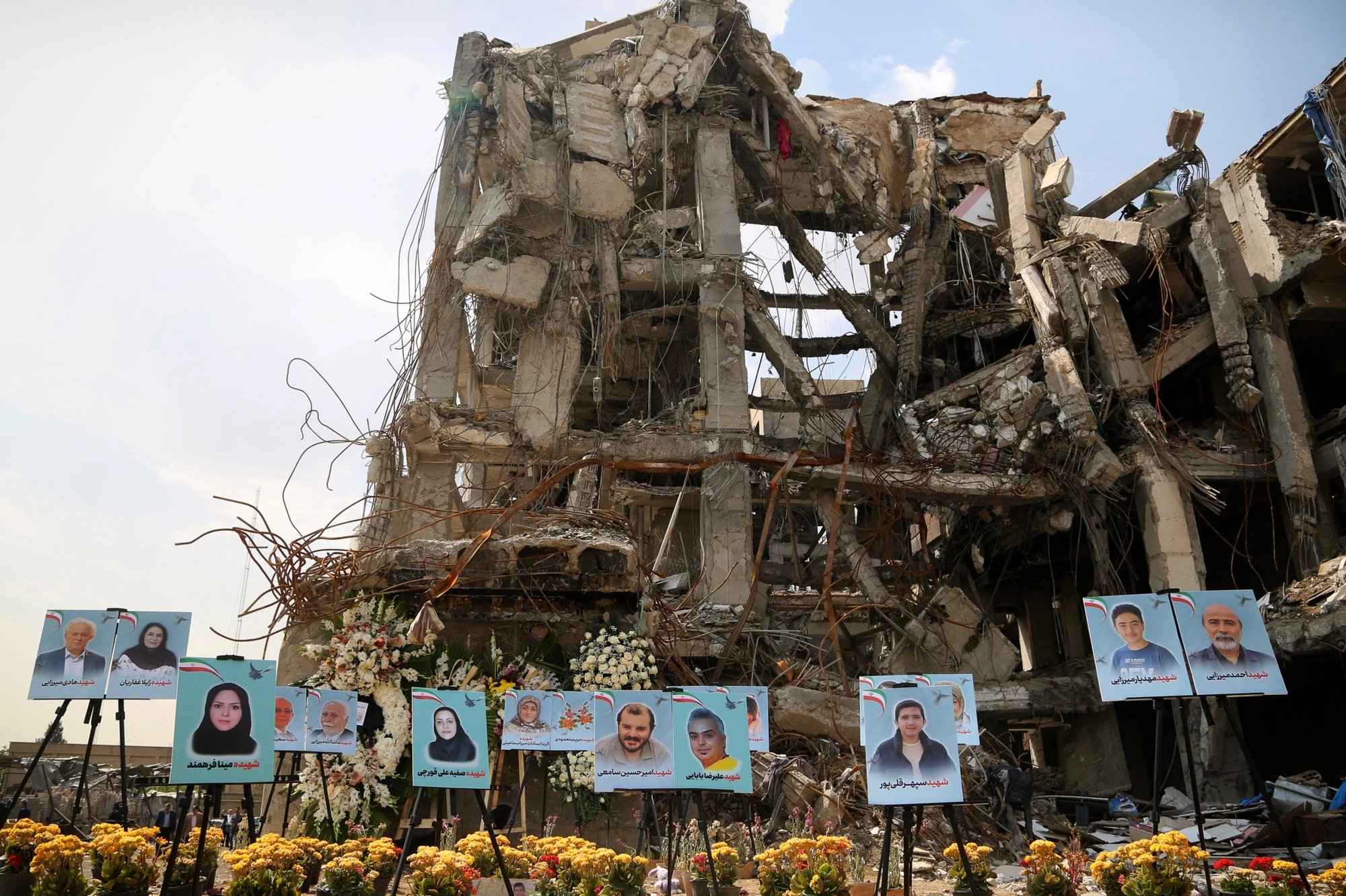
The United States will not send a delegation to the International Contact Group on Civilian Harm Mitigation and Response summit at NATO headquarters in Brussels on September 11, 2026. The absence follows Defense Secretary Pete Hegseth's dismantling of the Pentagon's civilian protection mission. Current and former officials called the step back humiliating and dangerous, citing rising civilian casualties in Iran.
Key Facts
- The International Contact Group on Civilian Harm Mitigation and Response summit is scheduled for September 11, 2026, at NATO headquarters in Belgium.
- Defense Secretary Pete Hegseth dismantled the Pentagon's civilian protection mission before the summit.
- The Pentagon adopted the civilian harm mitigation and response mission in 2022 after the post-9/11 wars.
- The United States co-founded the international forum with the Netherlands.
- Current and former officials described the U.S. absence as humiliating and dangerous, citing reports of rising civilian casualties in Iran.
Summit Absence
No U.S. delegation will attend the International Contact Group on Civilian Harm Mitigation and Response summit at NATO headquarters in Belgium on September 11, 2026. The absence follows Defense Secretary Pete Hegseth's dismantling of the civilian protection mission. The Pentagon declined to comment on the lack of U.S. participation in the Brussels talks. A spokesperson previously said the Defense Department factors civilian protections into all phases of operational planning and remains committed to its responsibilities.
Mission Dismantled
The Pentagon adopted the civilian harm mitigation and response mission, known as CHMR, in 2022 after years of bloodshed in the post-9/11 wars. The framework called for a specialized center to collect strike data and for advisers embedded with regional commands. The United States teamed up with the Netherlands to coordinate efforts internationally. Both countries had been frequent partners in military campaigns, including the fight against the Islamic State group.
Official Reaction
Current and former officials called the step back humiliating and dangerous, pointing to reports of rising civilian casualties in Iran following strikes on schools and homes. Jenny McAvoy, a former Defense Department official who helped shape the U.S. civilian protection program, said there are already enormous consequences of abandoning this work. Most officials spoke to ProPublica on condition of anonymity for fear of retaliation from President Donald Trump's administration.
1 source
Time · lag behind first