
NATO commander says US to provide critical but limited capabilities
This digest was compiled by AI from multiple sources — links to the originals are below.
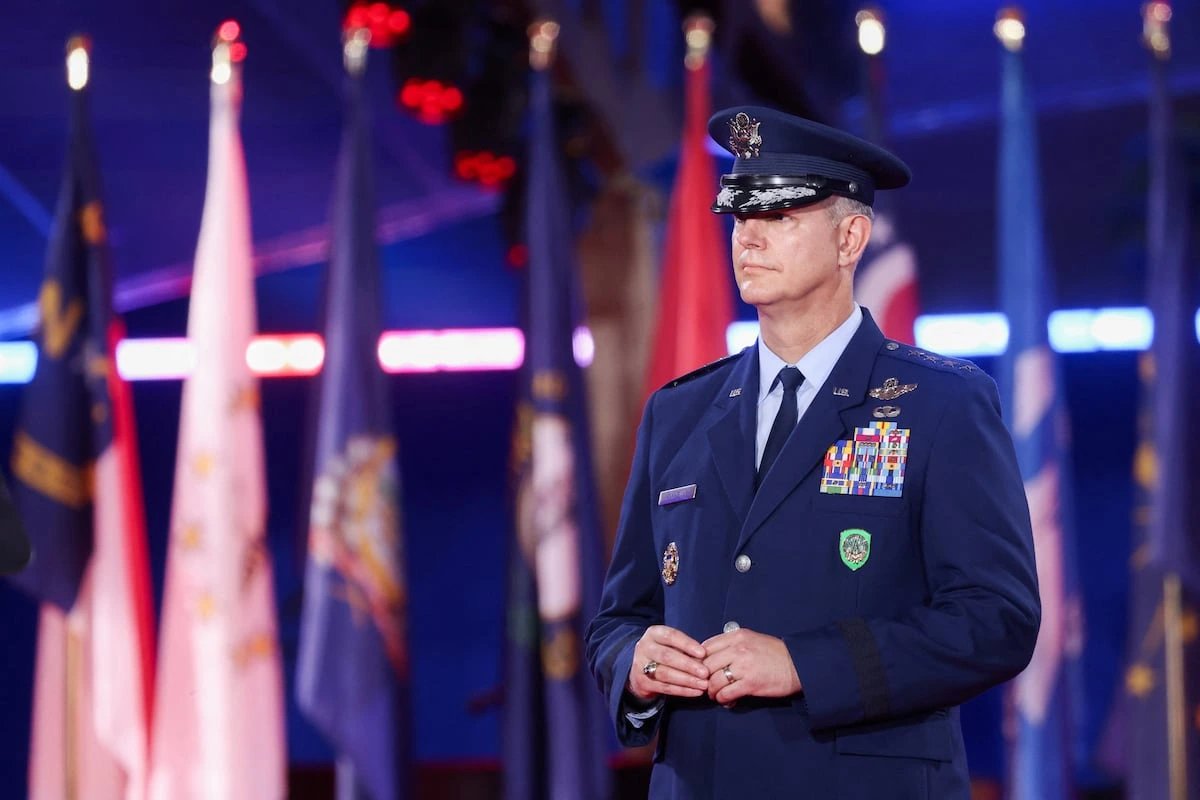
NATO's top commander said on Thursday the United States will continue to provide critical but more limited capabilities to the alliance as Europeans take a greater role in defending the continent. U.S. Air Force General Alexus Grynkewich, NATO's Supreme Allied Commander Europe, spoke in a phone interview with Reuters en route to a change of command ceremony in Norfolk, Virginia. He also said NATO is stepping up intelligence-sharing in response to a wave of sabotage incidents apparently linked to Russia.
Key Facts
- U.S. Air Force General Alexus Grynkewich said the United States will continue to provide critical but more limited capabilities to NATO.
- NATO is stepping up intelligence-sharing in response to sabotage incidents apparently linked to Russia.
- Denmark's defense intelligence service warned Russia is likely to intensify a hybrid war against the West in coming months.
- Grynkewich said a limited Russian attack on NATO territory is unlikely but cannot be ruled out.
- A British army general is taking over from a U.S. Navy vice admiral at NATO's Norfolk headquarters.
US Role in NATO
Grynkewich said the United States will continue to provide critical but more limited capabilities to the alliance. He spoke en route to a change of command ceremony at NATO's Norfolk headquarters, where a British army general will take over from a U.S. Navy vice admiral. The shift reflects a greater European role in defending the continent.
Hybrid Threats and Intelligence
NATO recently announced it is stepping up intelligence-sharing in response to a wave of sabotage and other incidents apparently linked to Russia. Denmark's defense intelligence service warned that Russia was likely to intensify a hybrid war against the West in the coming months. The Danish service added there was a low but growing risk that Moscow might launch a limited military attack against one or several NATO countries bordering Russia. Grynkewich described the incidents as concerning but said the alliance should be calm and confident in its tools and mechanisms to manage the risk.
Deterrence and Readiness
Asked about the risk of a limited Russian attack on NATO territory, Grynkewich stressed the alliance's readiness, calling such a development unlikely but something that cannot be ruled out. He dismissed suggestions that Russian President Vladimir Putin might see an opportunity to strike at NATO, saying, "Absolutely not. He better not try it on my watch." Grynkewich added that NATO is well positioned to defend every inch of its territory and that he has the authorities needed to deter any aggression.
1 source
Time · lag behind first