
ESA to build own radar for Envision Venus mission after NASA withdrawal
This digest was compiled by AI from multiple sources — links to the originals are below.
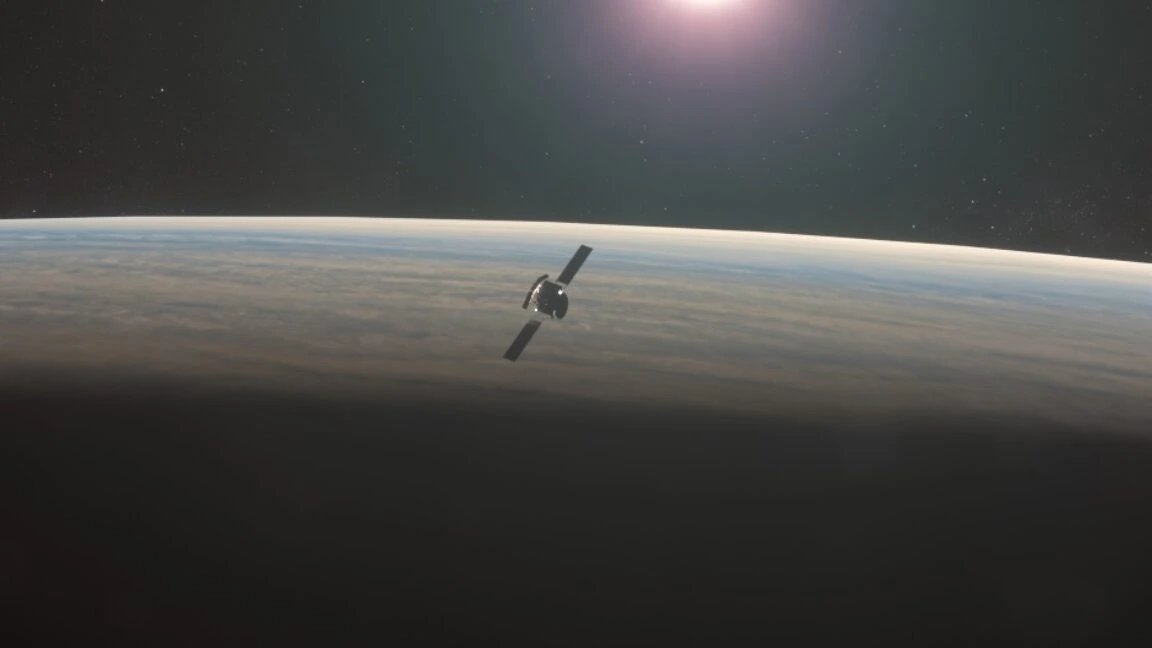
The European Space Agency will develop its own radar for the Envision Venus orbiter after NASA indicated it cannot provide the instrument. ESA has delayed the mission's launch to 2032 to allow time for the European radar. The decision comes as NASA's VERITAS Venus mission remains delayed until at least 2031.
Key Facts
- ESA has delayed Envision's launch by one year to 2032 to give European teams time to deliver the radar.
- NASA's VERITAS Venus orbiter is delayed until no earlier than 2031 due to funding problems at NASA and the Jet Propulsion Laboratory.
- The Venus Science Coordination group, established jointly by NASA and ESA, has been suspended due to changes to the US budgetary situation.
- ESA is assessing how to fill NASA roles on the LISA and New Athena missions, including lasers, telescopes, X-ray sensors, and a cryocooler.
- ESA launched its first 50-50 joint science mission with China, the SMILE spacecraft, earlier this year.
Envision Radar Replacement
ESA is moving forward with a European-built radar for the Envision Venus mission after NASA indicated it cannot provide the instrument. ESA has delayed Envision's launch by one year to 2032 to give European teams time to deliver the radar. ESA project scientist Anne Grete Straume-Lindner said the agency is finalizing its agreement with NASA but is going full steam ahead with the European solution. A NASA spokesperson said conversations with ESA regarding Envision are ongoing.
NASA Venus Program Delays
NASA's VERITAS radar orbiter was supposed to launch in the late 2020s but has been delayed until no earlier than 2031 due to funding woes at NASA and the Jet Propulsion Laboratory. The DAVINCI mission, led by NASA's Goddard Space Flight Center, continues working toward a launch in the early 2030s. The Venus Science Coordination group, established jointly by NASA and ESA, has been suspended due to changes to the US budgetary situation.
Broader ESA-NASA Cooperation
ESA is assessing how it can fill NASA roles on the LISA and New Athena missions. On LISA, NASA was to provide lasers and ultra-stable telescopes for the mission's three formation-flying spacecraft. For New Athena, NASA was responsible for X-ray sensor hardware, a cryocooler, and a vibration isolation system. The Trump administration sought to cancel NASA's role in ESA's Rosalind Franklin rover mission to Mars, set for launch in 2028, but Congress restored funding and NASA signed a contract with SpaceX for the launch. ESA Director of Science Carole Mundell said ESA is a reliable partner and appreciates the difficulty NASA is in.
1 source
Time · lag behind first