
Sharpeville families seek court redress 66 years after massacre
This digest was compiled by AI from multiple sources — links to the originals are below.
Survivors and relatives of the 1960 Sharpeville Massacre have filed a High Court application challenging the apartheid-era Indemnity Act that blocked civil and criminal proceedings. Lawyers for Human Rights filed the application in the Gauteng High Court, also seeking certification of a class action for survivors and dependants. The legal move comes 66 years after police killed at least 69 protesters on March 21, 1960.
Key Facts
- Police opened fire on protesters in Sharpeville on March 21, 1960, killing at least 69 people and injuring 180, according to apartheid-era police records.
- Research published in 2024 using police records found that as many as 91 people may have been killed and 238 injured.
- Lawyers for Human Rights has filed an application in the Gauteng High Court challenging the Indemnity Act 61 of 1961.
- The applicants are seeking certification of a class action involving survivors who were shot and dependants of those killed.
- Paulina Mathinye was five years old when her father was killed in the massacre, leaving her mother to support five children as a domestic worker.
The Legal Challenge
Lawyers for Human Rights has filed an application in the Gauteng High Court challenging the continued existence of the Indemnity Act 61 of 1961. The applicants say the apartheid-era law prevented survivors and dependants of those killed from pursuing civil and criminal proceedings arising from the massacre. The applicants are also seeking certification of a class action involving survivors who were shot and dependants of those killed.
The Massacre
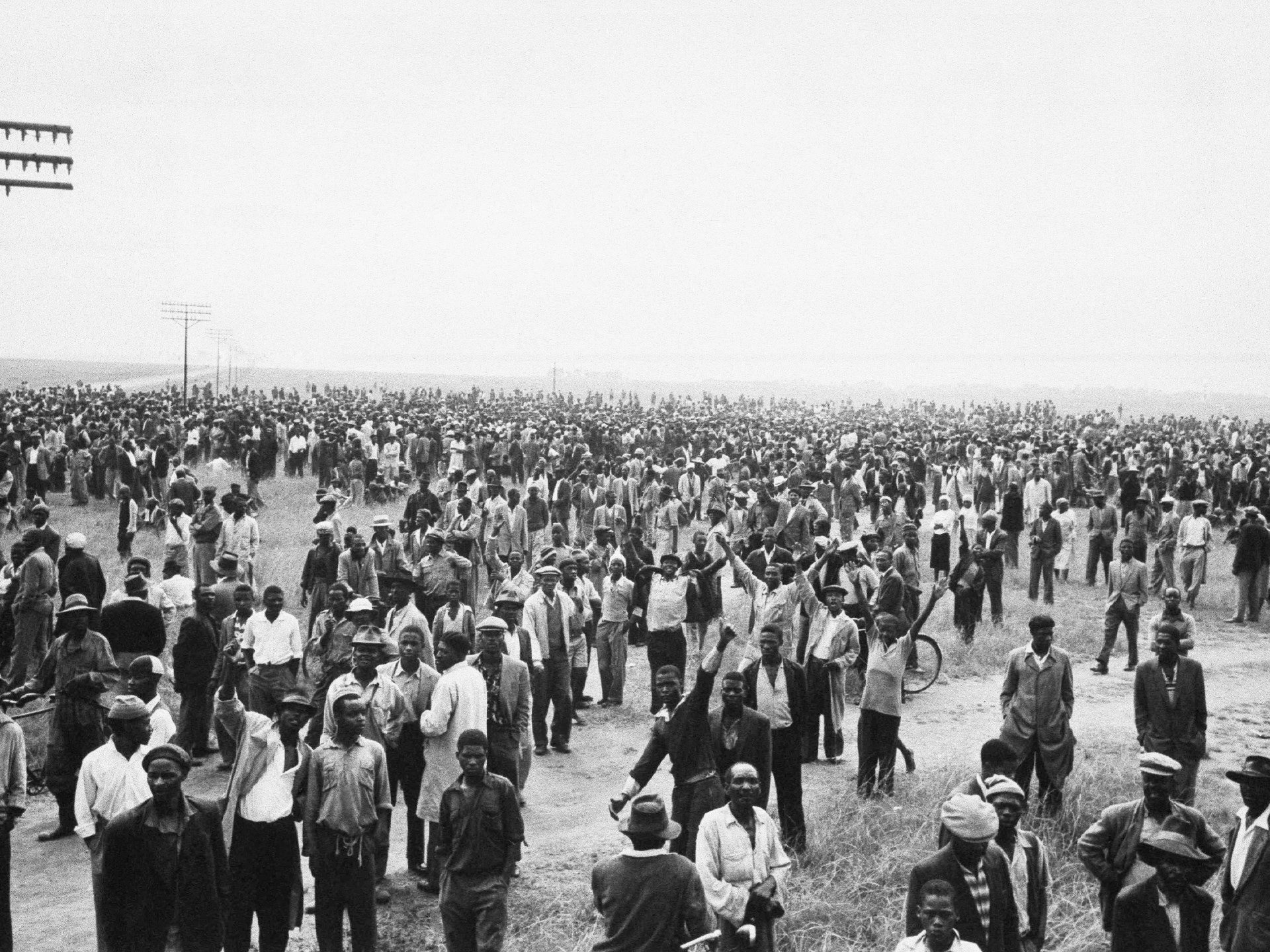
On March 21, 1960, police opened fire on protesters in Sharpeville, a township south of Johannesburg, who were demonstrating against apartheid pass laws. Apartheid-era police records put the death toll at 69 and the number of injured at 180. Research published in 2024 using police records found that as many as 91 people may have been killed and 238 injured. The massacre became a defining moment in South Africa's struggle against apartheid, and March 21 is now commemorated as Human Rights Day.
Family Consequences
Paulina Mathinye was five years old when her father left home for a meeting near the police station in Sharpeville and never returned. After her father was killed, her mother worked as a domestic worker to support five children, and the family sometimes went to bed with empty stomachs. Mathinye wanted to become a teacher but could not afford further study and began working while still young to help support her mother and siblings.
1 source
Time · lag behind first