
Sharpeville massacre survivors launch legal challenge to 1961 indemnity law
This digest was compiled by AI from multiple sources — links to the originals are below.
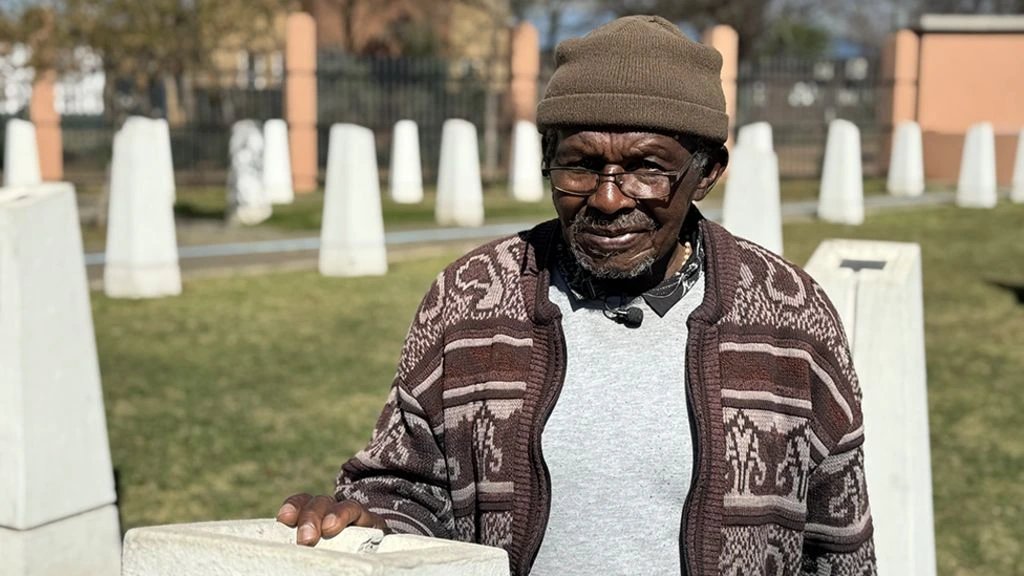
Survivors of the 1960 Sharpeville massacre, including 86-year-old Abraham Mofokeng, have launched a legal case to overturn the 1961 indemnity law that shielded police from prosecution. The case, set to be announced on Thursday, seeks justice and compensation for the 69 protesters killed. The challenge comes 66 years after the killings that exposed apartheid's brutality to the world.
Key Facts
- At least 69 protesters were shot dead by police in Sharpeville on 21 March 1960.
- An indemnity law passed in 1961 prevented any perpetrator from being prosecuted.
- Abraham Mofokeng, 86, still has a bullet lodged in his spine from the massacre.
- The legal case seeking to overturn the indemnity law will be announced on Thursday.
- The Sharpeville Human Rights Precinct features 69 white pillars, one for each victim.
The Sharpeville Massacre
On 21 March 1960, police opened fire on thousands of peaceful demonstrators in Sharpeville, south of Johannesburg, killing at least 69 people. The protesters were demonstrating against the apartheid pass laws, which required black people to carry a passbook known as a 'dompas'. Abraham Mofokeng, then 20 years old, joined the protest called by the Pan Africanist Congress and was shot in the leg and spine. The massacre became a pivotal event in the anti-apartheid movement and exposed the violence of the racist system to the world.
Legal Challenge
Survivors, including Mofokeng, are part of a legal case set to be announced on Thursday that seeks to overturn the 1961 indemnity law. The indemnity law, passed a year after the killings, ensured that none of the perpetrators were ever prosecuted. The case aims to secure justice and compensation for the victims and their families. Mofokeng said, 'We weren't seen as people,' describing the oppression under apartheid.
Legacy and Redress
The Truth and Reconciliation Commission, set up by Nelson Mandela's government, investigated apartheid-era crimes but did not bring prosecutions for Sharpeville. The township of Sharpeville remains impoverished, with crumbling infrastructure and piles of rubbish. The Human Rights Precinct memorial park contains 69 white pillars, one for each life lost in the massacre. Survivors feel they have not seen justice despite the country's democratic transition in 1994.
1 source
Time · lag behind first